IN Brief:
- PAC-3 Edge is competing in the US Army's Future Interceptor programme.
- The design incorporates a new Lockheed Martin seeker and a Northrop Grumman multi-pulse rocket motor.
- Development testing is planned for 2027, with deployment targeted for 2031.
Lockheed Martin has introduced PAC-3 Edge, a missile interceptor design for the US Army’s Future Interceptor programme. The announcement on 9 October describes new guidance, propulsion and control technology intended to extend the capabilities available for missile defence. It is a development announcement rather than a production award or evidence of a fully qualified weapon.
The proposed interceptor builds on experience of experience gained through its PAC-3 Missile Segment Enhancement programme. However, the Edge concept includes substantial changes, including a new seeker and a multi-pulse solid rocket motor. Those differences mean the intended performance cannot simply be inferred from existing PAC-3 MSE operational results.
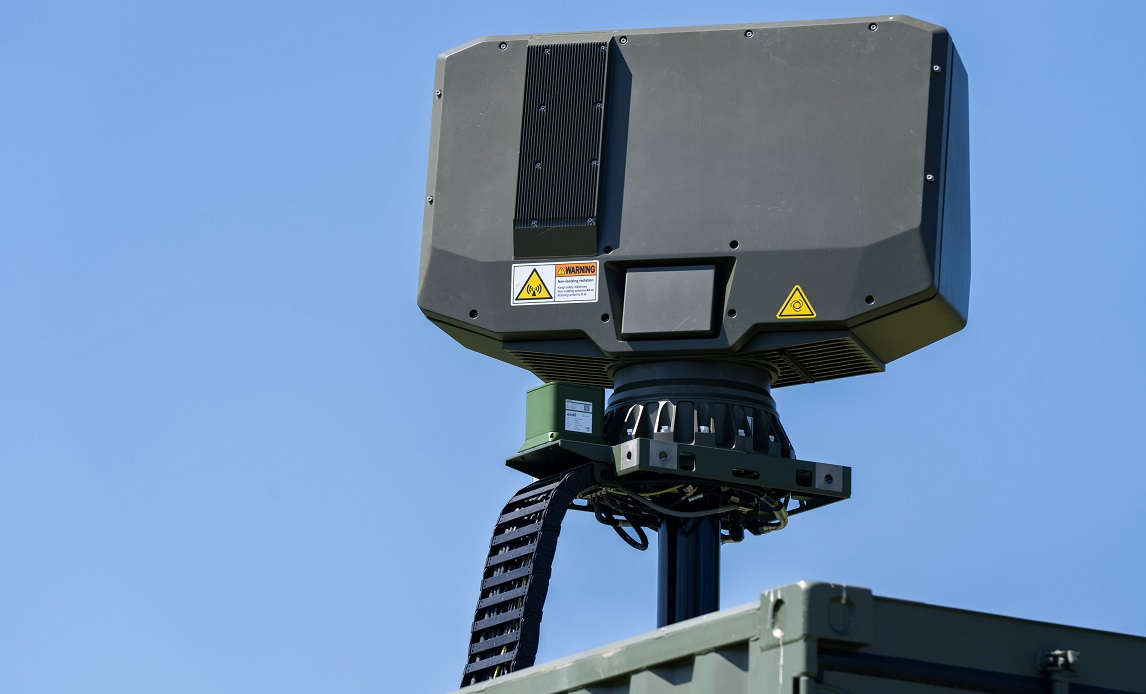
The company identifies its Strigo Product Center as the developer of the new seeker. It says it has invested $250 million in advanced seeker development at the centre. A seeker contributes the information required to track a target during the final stages of an interception, making its design particularly important against demanding target trajectories.
Performance depends on the sensor itself and the wider guidance arrangement. Detection conditions, signal processing, the motion of both missile and target, and the quality of information supplied before launch can all affect an engagement. The announcement does not publish detailed seeker performance figures or independently verified improvement percentages.
Northrop Grumman is developing the interceptor’s multi-pulse propulsion system. A multi-pulse solid rocket motor is intended to make thrust available at different stages of flight, rather than depending solely on one sustained burn. That offers potential flexibility in managing energy for manoeuvres late in an engagement.
Propulsion performance must nevertheless be considered alongside structural loads, temperature, available internal volume and the guidance system’s ability to use any remaining manoeuvre authority. A more complex motor design also introduces manufacturing and qualification requirements that must be resolved before regular production.
PAC-3 Edge is also intended to incorporate changes to flight controls. Lockheed Martin describes greater manoeuvrability, speed and operational reach as development objectives. Those claims remain to be demonstrated through the programme’s test work; the announcement does not establish a measured operating envelope for the new design.
The US Army is pursuing new interceptor capability as part of its layered missile-defence approach. An interceptor operates within a network of sensors, command equipment, launch systems and supporting communications. A change to the missile alone does not determine the performance of the complete architecture.
Lockheed Martin identifies intended compatibility with the Integrated Battle Command System, M903 launchers, containerised launch arrangements and HIMARS Flex. Each proposed integration pathway brings specific interface, safety and qualification tasks. Published compatibility ambitions are not the same as completion of all the required integration trials.
Software interfaces must transfer the information needed to prepare and control the engagement. Launcher arrangements also affect mechanical handling, electrical connections, test functions and the safe storage and movement of an interceptor. Those requirements can differ between vehicle-mounted and fixed or containerised configurations.
Manufacturing readiness will be another measure of programme progress. Advanced seekers depend on electronic components and precisely controlled assembly, while rocket motors require production processes capable of maintaining consistent performance within approved specifications. Qualification must establish that hardware made in different batches meets the same design baseline.
The company has expanded activity across its established PAC-3 business, but that investment does not constitute an announced production capacity for PAC-3 Edge. The proposed system has its own development and acceptance requirements, and the company has not published an annual quantity or final price for the new interceptor.
Lockheed Martin has not published a final unit cost for PAC-3 Edge or disclosed the procurement price that might apply to a future production contract. Cost performance will depend on the eventual design, component availability, qualification results and scale of manufacture. No comparative cost claim should be inferred from the development announcement.
Testing is planned to progress in 2027, with deployment targeted for 2031. The dates set an indicative development trajectory and do not establish a binding delivery schedule or a final Army selection. Engineering trials will need to verify performance, reliability and the relationship between the interceptor and proposed launch configurations.
The key distinction for the defence industry is between unveiling a design and demonstrating a repeatable, producible system. The seeker, motor and control changes describe the technical direction. Successful trials and manufacturing qualification will determine whether they become a deployable interceptor with dependable supply and support arrangements.
As the Future Interceptor programme advances, evidence from component qualification and integrated testing will provide a firmer basis for assessing the proposed improvements. For now, PAC-3 Edge represents a substantial development proposal with a stated test and deployment ambition, not an operational interceptor already available to Army units.
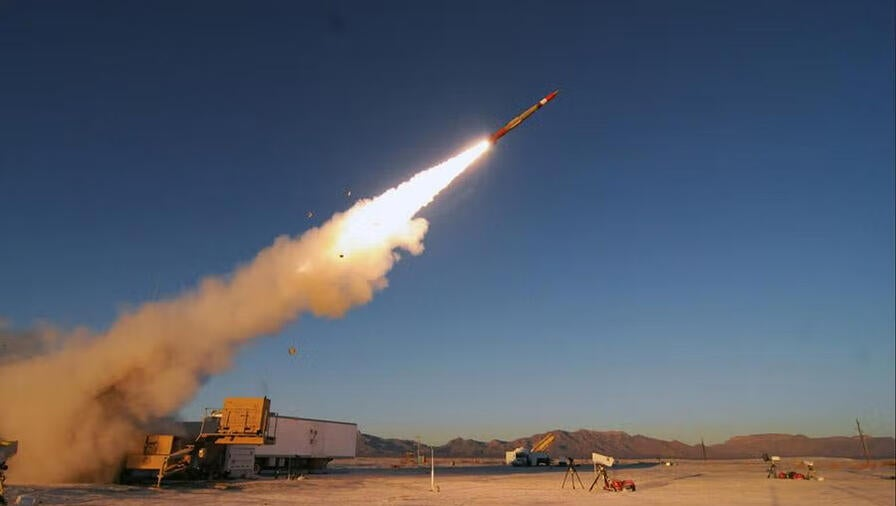
Featured image: PAC-3 MSE interceptor launch (illustrative), not PAC-3 Edge.