IN Brief:
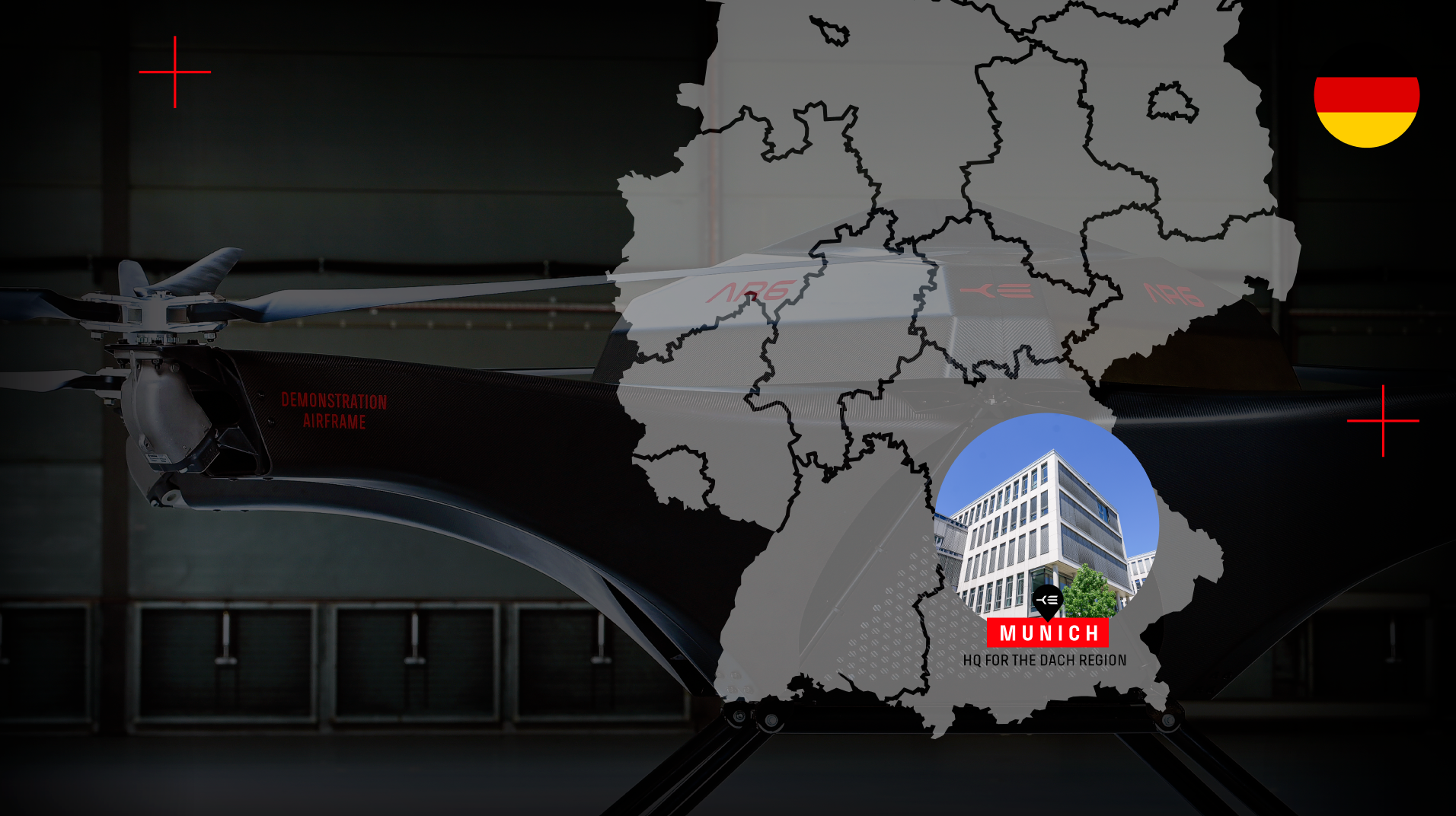
- TEKEVER Germany has established its headquarters in Munich, covering Germany, Austria and Switzerland.
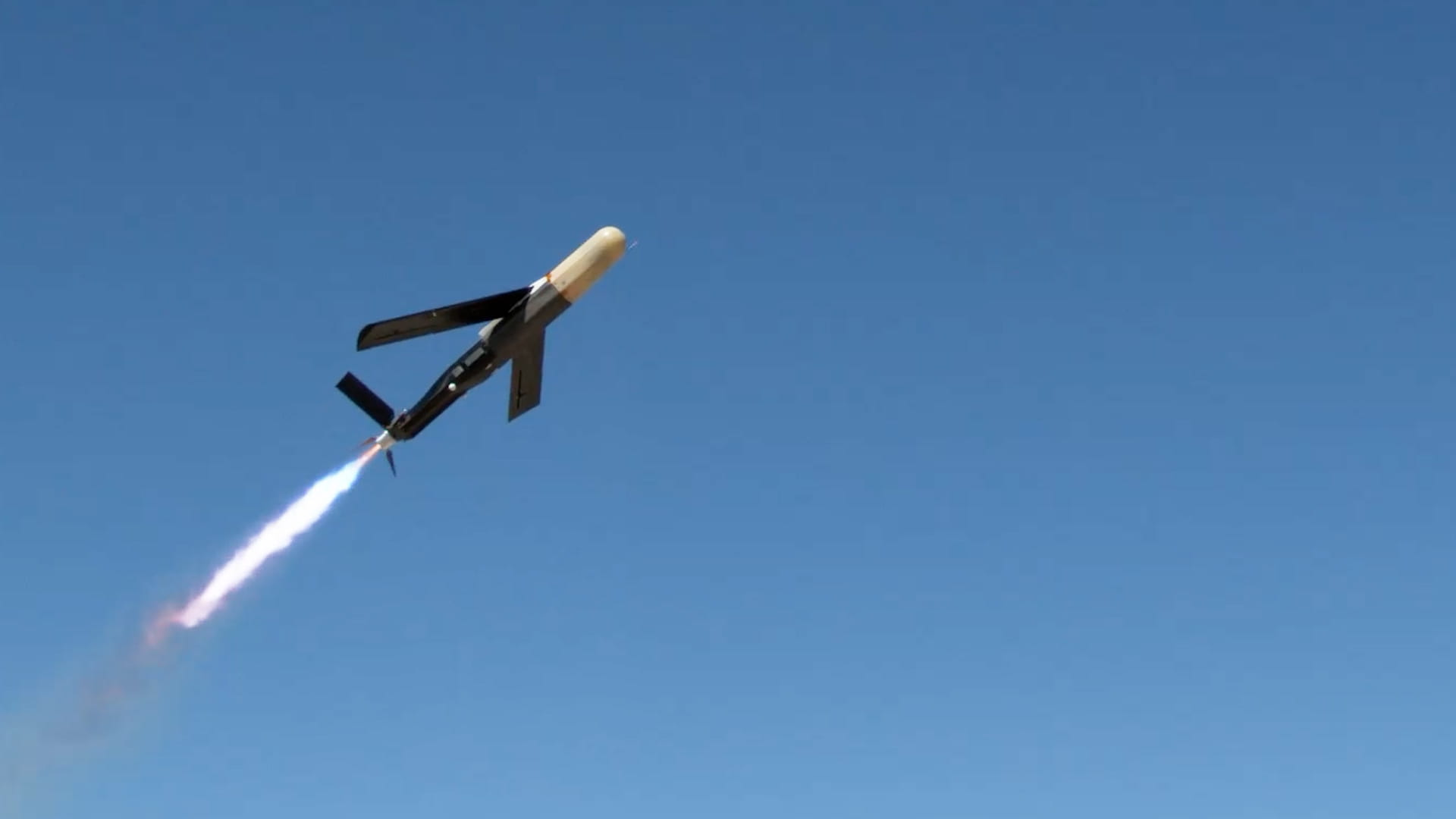
- The Bundeswehr has received its first TEKEVER uncrewed aircraft for evaluating heavy-lift autonomous capabilities.
- German expansion follows the first close of TEKEVER's US$580 million Series D financing and existing investment programmes in Britain and France.
TEKEVER has established a German business headquartered in Munich, extending its European engineering and defence operations as the Bundeswehr evaluates the company’s heavy-lift autonomous aircraft technology. The expansion follows delivery of the first TEKEVER uncrewed aerial system to the German armed forces, providing equipment for assessments of autonomous logistics and force-support capabilities while the company develops its regional industrial partnerships.
TEKEVER Germany will serve as the group’s headquarters for Germany, Austria and Switzerland, bringing together engineering, business development and customer engagement activities. Its establishment is intended to support collaboration with German manufacturers, research organisations and technology developers, although the company has not announced the initial workforce, a specific capital investment or a timetable for establishing domestic aircraft production. The Munich operation is therefore an established regional business rather than a confirmed new manufacturing facility.
The Bundeswehr delivery provides a separate technical development alongside the commercial expansion. TEKEVER said the heavy-lift aircraft would be used to assess the potential of long-endurance autonomous operations, building on previous participation in German military exercises. Neither the aircraft’s designation nor its payload, performance configuration or acceptance requirements have been disclosed. The announcement also provides no indication of an additional fleet order or the number of systems that might be required following evaluation.
Heavy-lift uncrewed aircraft introduce engineering requirements beyond those associated with smaller surveillance platforms. Transporting equipment or supplies requires sufficient propulsion capability to support the combined mass of the airframe, energy system and payload throughout the mission. The aircraft’s flight-control system must accommodate changes in loading and balance, while navigation and communications equipment must remain compatible with the intended operating environment. An autonomous logistics mission may also involve landing at locations with limited supporting infrastructure, making recovery, handling and maintenance arrangements part of the overall system assessment.
Those considerations differ from the requirements of TEKEVER’s established intelligence, surveillance and reconnaissance aircraft. A surveillance platform may be configured around sensor operation, endurance and the transmission of collected information, whereas a logistics aircraft must physically transport a specified load between locations. Payload mass, range and available energy interact, meaning that maximum values cannot necessarily be achieved simultaneously. The Bundeswehr’s evaluation will provide an opportunity to examine the system against German requirements, but the company has not published performance results from that activity.
TEKEVER expanded its portfolio into heavy-lift autonomy in July 2026 with the unveiling of the AR6 family at Farnborough. The company has stated an ambition for AR6 to transport 200kg over 500km, using technology developed around new propulsion arrangements. Production is planned to begin at its Swindon facility before the end of 2026, with military applications potentially including logistics and casualty evacuation. These are announced development specifications and production plans, rather than independently verified performance figures from a completed operational programme. TEKEVER has not confirmed that the aircraft delivered to the Bundeswehr is an AR6.
The company’s industrial expansion is supported by its September announcement of the first close of a US$580 million Series D financing round at a US$6.4 billion valuation. TEKEVER said the first close covered most of the intended fundraising, with further investment expected from additional participants. The funding is intended to support international growth, acquisitions and increased engineering and manufacturing capability. It does not constitute a separately identified investment of the same amount in Germany.
Existing commitments include a £400 million investment programme in Britain and plans for substantial industrial expansion in France. The British operation is also supported by the CORVUS contract, worth up to £400 million, under which TEKEVER will supply AR5 surveillance aircraft to the British Army. Manufacturing for that programme is centred on Swindon, supported by a network of British engineering and technology suppliers. CORVUS concerns a different aircraft and operational requirement from the German heavy-lift evaluation, but both programmes depend on production capacity, technical support and controlled integration of platform configurations.
Establishing engineering activities across several European countries also creates responsibilities for configuration management and the coordination of suppliers. Aircraft assembled, modified or supported through different national operations must retain consistent technical records and clearly defined responsibility for individual components. Customer-specific changes to payloads, communications equipment or flight software may require additional verification before they can be introduced. The German business will need to develop those arrangements around the programmes it eventually secures, although TEKEVER has not yet defined a local production or integration workshare.
Ricardo Mendes, TEKEVER’s chief executive, linked the German expansion to the country’s engineering expertise and its potential to contribute to European autonomous systems development. He identified the existing Bundeswehr relationship as an opportunity to examine autonomy across logistics and force-support missions. The company plans to develop further industrial and research partnerships as it establishes its German presence, without committing publicly to a particular factory, production rate or additional procurement programme.
Munich provides TEKEVER with a regional engineering and commercial base, while the delivered aircraft gives the Bundeswehr equipment for evaluating heavy-lift autonomy. The subsequent industrial commitments will depend on the results of those assessments and the development of specific customer programmes, with the scale of investment, local manufacturing participation and further aircraft deliveries still to be determined.