IN Brief:
- Northrop Grumman's Allegany Ballistics Laboratory can manufacture up to 85,000 FMU-139D/B electronic bomb fuzes annually.
- A September contract modification increased the existing US Navy contract ceiling by approximately $97m to $462.4m.
- The manufacturer delivered its 200,000th FMU-139D/B earlier in 2026 and has invested in automated, repeatable production.
Northrop Grumman has expanded annual manufacturing capacity for the FMU-139D/B electronic bomb fuze to as many as 85,000 units, following investment in automation and production technology at Allegany Ballistics Laboratory in West Virginia.
The company detailed the increased capacity on 29 October alongside a previously awarded US Navy contract modification. The September adjustment increased the maximum potential value of the existing fuze production contract by approximately $97m to $462.4m.
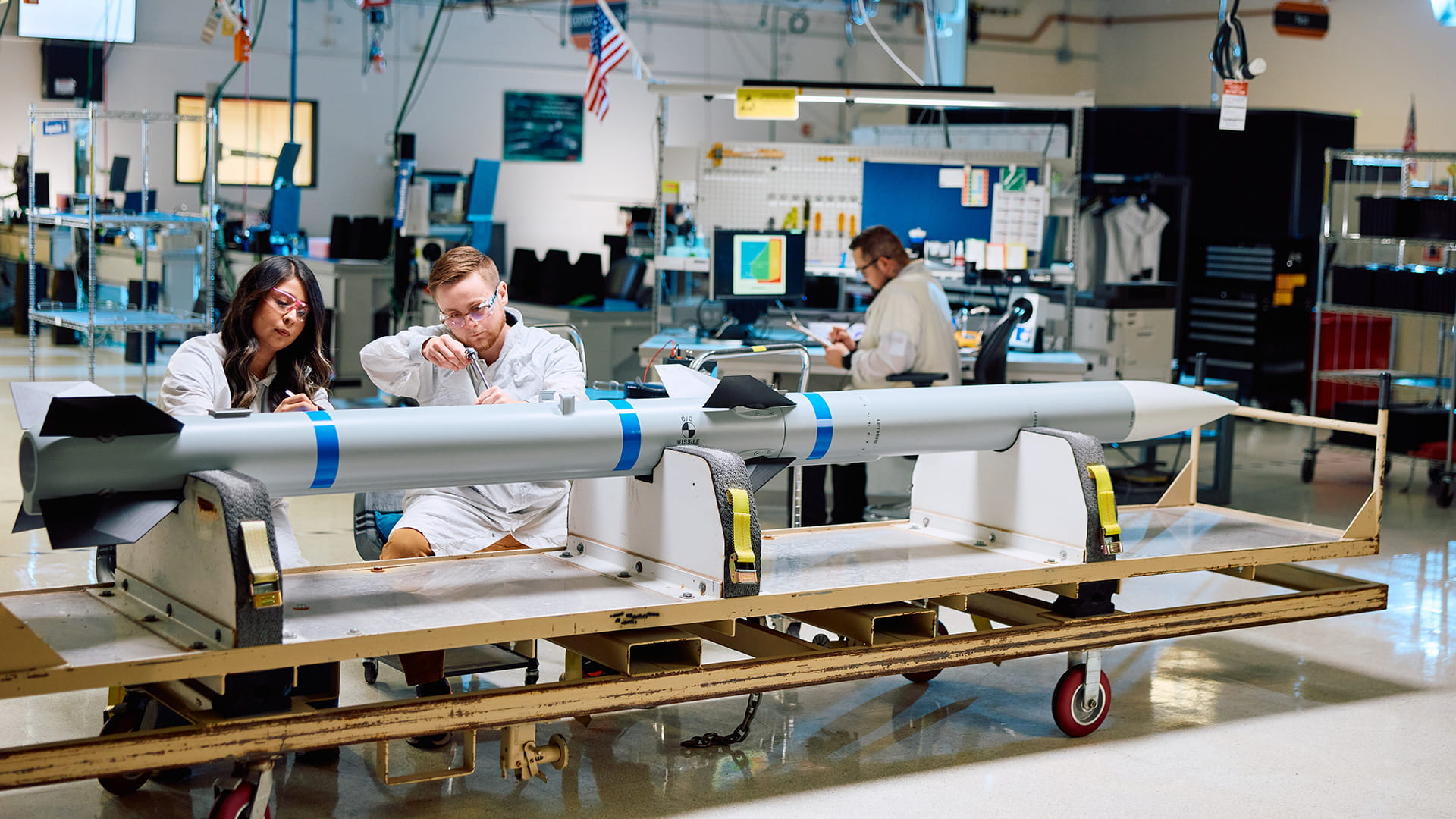
Northrop Grumman produces the equipment at the Naval Industrial Reserve Ordnance Plant within Allegany Ballistics Laboratory at Rocket Center. The facility combines specialist manufacturing capabilities involving electronics, mechanical components, metals, composites, and energetic materials.
The FMU-139D/B is an electronic fuze used with air-delivered munitions. Its functions include safety and timing control, allowing compatible weapons to operate according to the configuration established for their intended application.
The fuze is used across different munitions and aircraft operated by the United States and allied forces. Production therefore supports several customer requirements within an established equipment family, with supplies managed under contracts and individual orders.
Northrop Grumman introduced the FMU-139D/B in 2015 and moved it into full-rate production in 2020. The company delivered its 200,000th unit earlier in 2026, establishing a cumulative manufacturing milestone before the latest capacity disclosure.
The new annual capacity reflects changes to the production operation rather than a corresponding number of confirmed orders or completed deliveries. Actual manufacturing output will depend on the orders placed, the supply of components, and the production schedule established for the equipment.
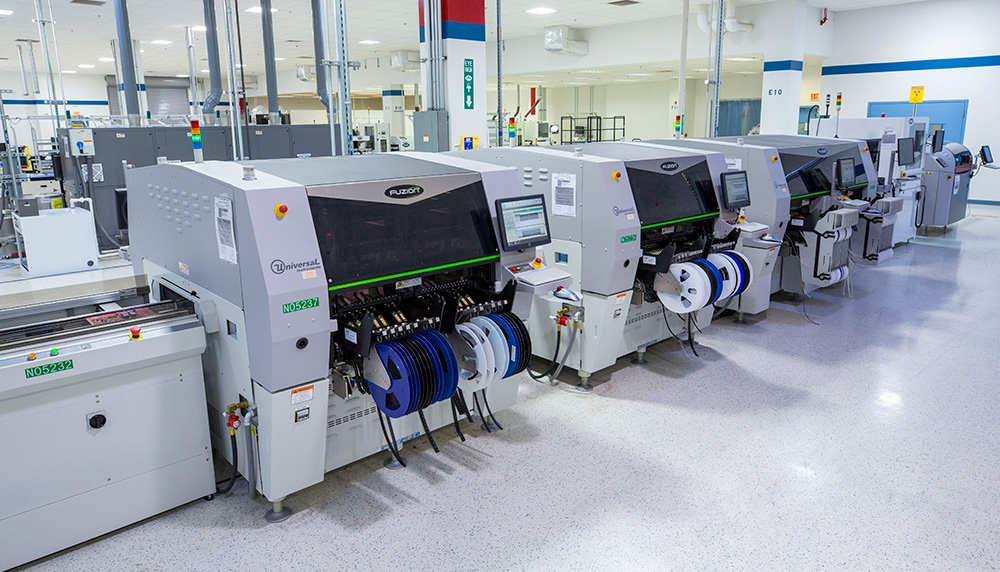
Northrop Grumman designed the FMU-139D/B manufacturing line for repeatable production, incorporating a high level of automated equipment. The company reports that nearly 70% of the processes used on the line are automated.
Automation supports manufacturing operations where consistent positioning, inspection, and process control are important. Equipment can repeat defined tasks under controlled conditions, while personnel supervise the process, address exceptions, and perform the activities that remain outside the automated sequence.
The balance between manual and automated work affects production planning. Manufacturers must coordinate the available machinery, specialist operators, inspection resources, and component deliveries so that individual stages can support the required overall throughput.
Northrop Grumman used modelling and simulation during development of the FMU-139D/B production operation. This allowed the company to examine its manufacturing sequence and identify potential capacity constraints before committing to the completed industrial arrangement.
Manufacturing simulation can examine how equipment and materials move through successive production stages. A process with sufficient capacity in one area may still be restricted by another operation if components accumulate faster than they can be processed or inspected.
Designing the production system around those relationships allows resources to be allocated according to the expected workload. Further automation and equipment investment can then be directed towards the processes whose capacity affects completed output.
Northrop Grumman’s published manufacturing information also identifies the electronic architecture of the FMU-139D/B as part of its production approach. The company describes the design as avoiding the moving mechanical arrangements used in earlier electromechanical fuzes.
The electronic configuration allows the manufacturer to undertake extensive functional testing before delivery. The testing process provides evidence of whether completed equipment satisfies the applicable requirements without relying solely on inspection of its physical assembly.
Lot acceptance testing adds another level of verification. Equipment produced within a defined manufacturing lot must satisfy the applicable acceptance criteria, with the results used to establish whether that batch meets the required standard.
Northrop Grumman reports that its FMU-139D/B programme has achieved full success against the lot acceptance tests completed to date. That figure describes the company’s reported testing record and does not remove the requirement for continuing inspection and acceptance of future production.
The plant also manufactures associated equipment, including the FZU-48A/B Wind Turbine Alternator used with the fuze system. The company identifies successful lot acceptance testing for this equipment as part of its wider manufacturing performance.
Production of a complete fuze system therefore depends on several elements being manufactured, inspected, and supplied in compatible configurations. Component availability and the consistency of assembly processes influence the ability to maintain output across successive production orders.
The US Navy’s contract modification was awarded on 24 September under an existing firm-fixed-price, indefinite-delivery/indefinite-quantity agreement. It increased the amount of work that can be ordered without establishing that the full additional ceiling had already been funded or committed.
The contract covers FMU-139D/B fuzes, accessory kits, and associated technical data for domestic requirements. The wider programme supports the US Navy, US Air Force, and Foreign Military Sales customers, with individual requirements determined through the ordering process.
Contract administration and production activities operate within a defined industrial and procurement framework. The government establishes requirements through individual orders, while the manufacturer must provide equipment corresponding to the agreed technical and acceptance conditions.
The revised contract ceiling provides capacity for further orders as requirements develop. It also gives the manufacturer a commercial framework within which to support additional production, although manufacturing schedules and quantities will depend on the commitments subsequently placed.
Continued production requires materials and components to remain available in the specified configurations. Changes in electronic components or specialist manufacturing inputs can require engineering assessment, revised documentation, and additional qualification activity before alternatives can be incorporated.
These considerations influence long-term equipment support, particularly where a common component is used across several weapon types and customer inventories. Maintaining a controlled design and qualified manufacturing arrangements helps preserve compatibility with the equipment already supplied.
Northrop Grumman has invested in production technology at Allegany Ballistics Laboratory to support higher output and more consistent manufacturing. Its expanded capacity provides additional headroom for fuze supply, while the September contract adjustment creates room for the Navy to place further orders under the existing agreement.
The programme now combines more than 200,000 cumulative deliveries, an annual production capability of up to 85,000 units, and a revised contract ceiling of approximately $462.4m. Subsequent ordering and manufacturing activity will determine how much of that capacity is used during the remaining contract period.