IN Brief:
- The European Commission has opened a second SAFE financing round worth €21.3bn, available to all EU member states.
- The money forms part of the original €150bn loan instrument and supports eligible defence procurement and industrial cooperation.
- Governments are encouraged to prioritise air defence, ammunition, drones, counter-drone systems, missiles, and joint procurement involving Ukraine.
The European Commission has invited EU member states to apply for €21.3bn in additional defence financing through the second round of its Security Action for Europe (SAFE) instrument, extending opportunities for joint procurement and industrial investment.
The funding comes from the original €150bn SAFE loan envelope adopted in May 2025. Some governments requested less financing than their initial indicative allocations, leaving money available for a further round without increasing the programme’s overall financial ceiling.
All EU member states can participate in the new call, including countries that did not request financing during the original round. Governments will identify the additional amounts they wish to borrow, after which the Commission will determine tentative allocations.
The Commission intends to notify countries of those tentative amounts within two weeks of the submission deadline. Participating governments will then need to prepare or amend their defence investment plans for assessment under the programme’s existing rules.
Air and missile defence, drones, counter-drone systems, ammunition, and missiles have been identified as priority areas. Member states are also being encouraged to include joint procurement involving Ukraine in their plans, connecting additional European industrial demand with Ukrainian defence requirements.
SAFE provides long-maturity loans to national governments rather than direct grants to equipment manufacturers. A participating state uses the financing to support eligible procurement, with individual equipment contracts subsequently established through the relevant purchasing arrangements.
That structure separates the availability of financing from confirmed manufacturing orders. A government securing a SAFE allocation can plan further expenditure, while suppliers receive commercial commitments only when the associated procurement contracts are agreed.
Joint purchasing is a central feature of the instrument. Where several countries acquire common or compatible equipment, the combined requirement can create a larger manufacturing programme than separate national purchases of differing configurations.
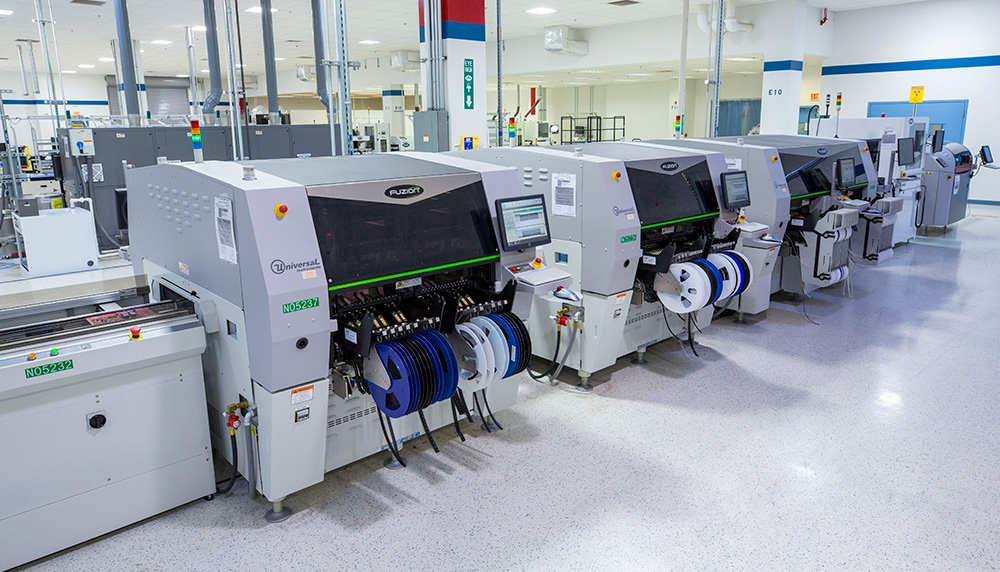
Defence manufacturers can use contracted production requirements to plan investment in machinery, specialist facilities, and workforce capacity. The commercial value of that planning depends on the quantities, delivery dates, technical requirements, and contractual terms eventually established by participating governments.
SAFE procurement is intended to strengthen Europe’s defence technological and industrial base. Its eligibility framework places conditions on the origin of components and the industrial arrangements used to supply equipment funded through the programme.
Across the supported equipment categories, procurement must ensure that no more than 35% of component costs originate outside the EU, eligible European Economic Area and European Free Trade Association countries, or Ukraine. This requirement influences supplier selection and the composition of industrial supply chains.
The instrument also establishes additional requirements for certain advanced defence capabilities. Its second equipment category includes air and missile defence systems, maritime and underwater capabilities, larger drones, strategic enabling technologies, space protection, artificial intelligence, and electronic warfare.
Those projects face stricter eligibility conditions concerning the ability to modify equipment without restrictions imposed by countries outside the permitted framework. The arrangement connects procurement decisions with long-term access to technical information, engineering support, and equipment development.
For manufacturers supplying complex systems, component sourcing and design authority can therefore influence eligibility alongside performance and price. Systems integration work may involve several companies responsible for different electronic, mechanical, or software elements of the completed equipment.
Air defence programmes demonstrate this industrial structure. A complete system can combine radar, communications networks, command equipment, launchers, and interceptors supplied by different manufacturers. Procurement planning must establish how those elements are integrated and which organisations provide production and technical support.
Coordinating requirements between purchasing countries can reduce the number of separate configurations required, although national equipment inventories and operational needs may still lead to differences between individual programmes. Those decisions affect manufacturing schedules, component inventories, and subsequent maintenance arrangements.
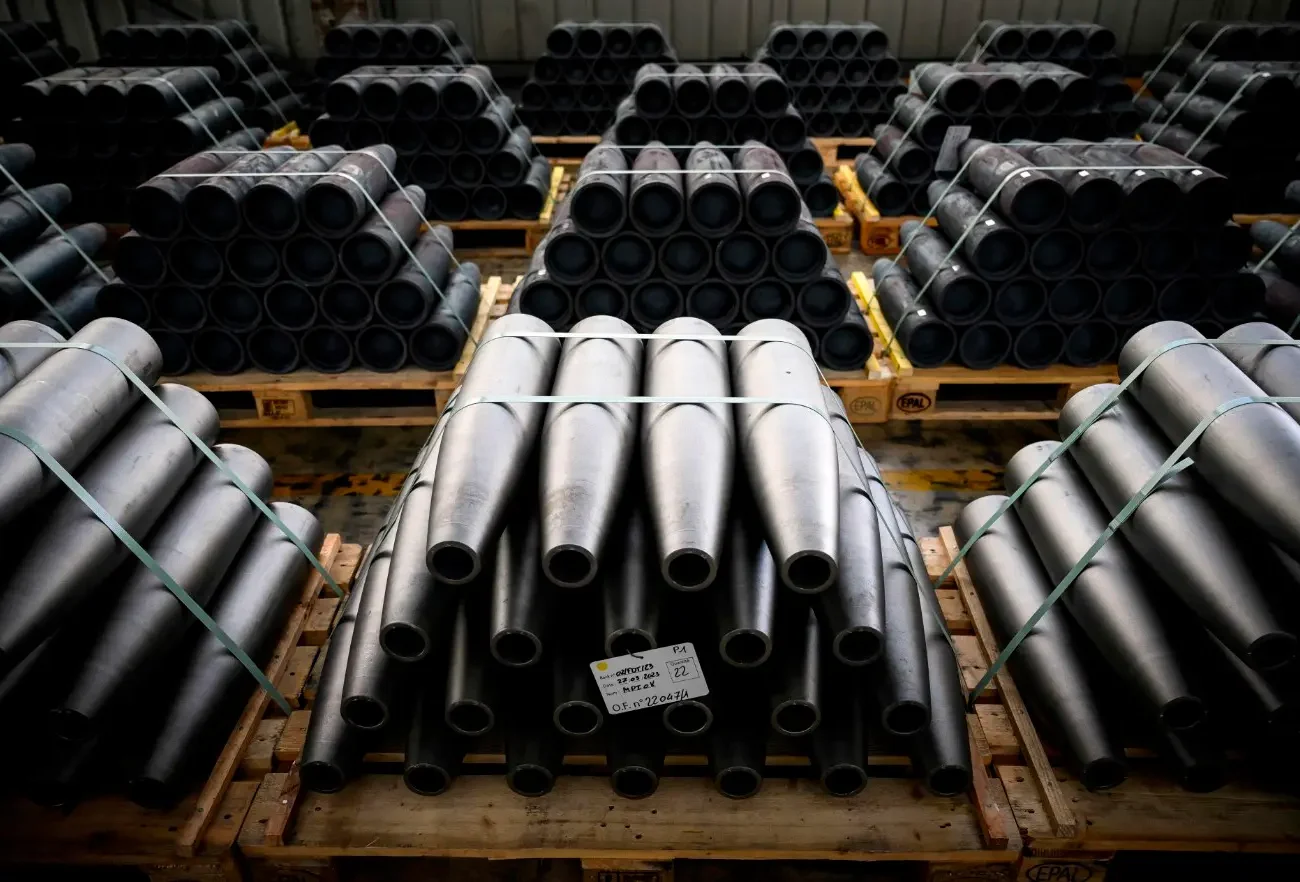
Missile and ammunition procurement creates similar dependencies. Finished products require supplies of specialist materials, electronics, mechanical assemblies, and other components, alongside manufacturing processes and qualification procedures appropriate to the equipment concerned.
Production expansion must therefore take account of capacity throughout the supply chain. A manufacturer increasing final assembly output may remain dependent on suppliers whose production facilities and delivery schedules are subject to separate constraints.
SAFE’s first round has already progressed into national financing agreements. Nineteen member states requested participation, and the Commission has approved loan agreements for all 19. Sixteen agreements had been signed by 29 October, with almost €13.5bn disbursed to 11 governments as pre-financing.
Those payments provide funding for participating states to implement approved plans. They do not represent the total value of equipment delivered, because individual programmes progress through procurement, manufacturing, testing, and acceptance over different periods.
The second round will use the available €21.3bn to consider additional national requirements. Because the call is open to every member state, its final distribution may differ from the countries and amounts represented in the original financing agreements.
Ukraine remains an important participant in the programme’s industrial cooperation arrangements. Although SAFE loans are made to EU governments, Ukraine can participate in eligible joint procurement and supply arrangements alongside member states and other qualifying partners.
Joint projects involving Ukrainian manufacturers may combine industrial facilities, engineering capabilities, and production responsibilities across national boundaries. Such arrangements will need to comply with the technical, financial, and eligibility conditions applying to the individual procurement.
The Commission is encouraging governments to direct additional financing towards urgent equipment requirements while maintaining the programme’s objectives of greater industrial cooperation and interoperability. Decisions about the equipment purchased and the participating companies will emerge through national investment plans and subsequent contracts.
After receiving the new applications, the Commission will establish tentative allocations and assess the resulting plans. Manufacturing orders, industrial investment commitments, and equipment deliveries will follow through the procurement programmes that governments establish using the additional financing.