IN Brief:
- Switzerland has shortlisted Israel Aerospace Industries' Barak MX and the Franco-Italian SAMP/T NG.
- Further evaluation covers technical performance, interoperability, security, industrial considerations, and foreign policy.
- Proposed financing includes CHF6bn for the additional system and part of Patriot's increased costs, subject to parliamentary decisions.
Switzerland has shortlisted two long-range ground-based air defence systems for further evaluation, retaining Israel Aerospace Industries’ Barak MX and the Franco-Italian SAMP/T NG as potential additions to its existing Patriot procurement.
The Federal Department of Defence, Civil Protection and Sport will continue assessing the competing proposals following a Federal Council decision on 28 October. The government examined offers from four manufacturers in France, Israel, and South Korea before reducing the competition to the two remaining systems.
Military performance, technical characteristics, procurement requirements, and security considerations informed the initial assessment. Further work will also take account of economic and foreign policy factors, with the defence department coordinating its evaluation with other parts of the federal government.
Switzerland intends the additional system to extend the area protected by its long-range air defence network and reduce dependence on a single equipment supplier. The programme has acquired greater importance as delays affect deliveries under the country’s existing American Patriot acquisition.
The Federal Council has maintained its commitment to Patriot while continuing discussions with the United States over the delivery timetable and additional costs. American production has been prioritised for countries that transferred existing Patriot equipment to Ukraine, affecting the availability of systems for other customers.
Switzerland’s planned air defence structure combines several equipment categories. Long-range systems will operate alongside medium-range and shorter-range weapons, with combat aircraft providing another component of national air defence.
These layers address different types of aerial threats and engagement conditions. Radar coverage, target characteristics, interceptor performance, and the arrangement of defensive equipment influence which system can respond to a particular threat.
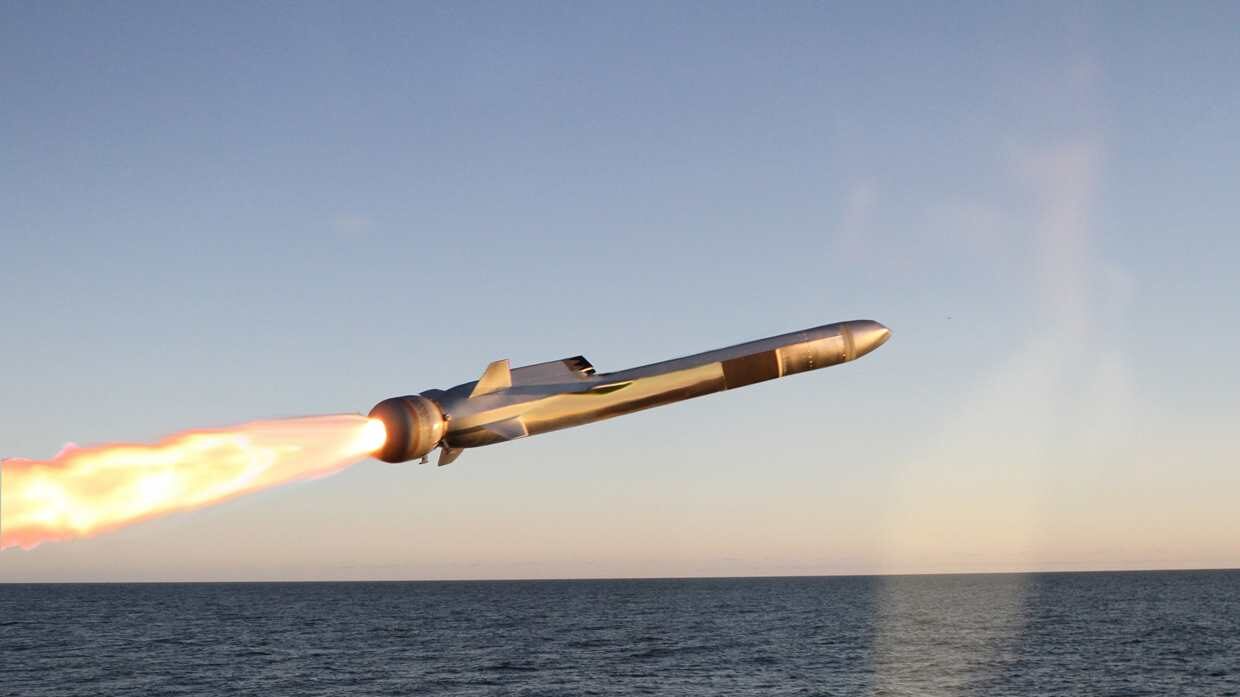
Barak MX, developed by Israel Aerospace Industries (IAI), uses a modular architecture connecting sensors, battle management equipment, launchers, and a family of surface-to-air interceptors. Its design allows information collected by different sensors to be shared across connected defensive units.
The system’s battle management functions process target information and coordinate the available engagement equipment. A firing unit may receive data from another sensor within the connected network, allowing the defensive arrangement to use information collected beyond the coverage of an individual radar.
IAI offers several Barak interceptor configurations with different stated engagement ranges. Its product family includes the Barak MR, LR, and ER variants, with manufacturer specifications extending to 150km for Barak ER.
Those figures describe particular interceptor configurations rather than guaranteed coverage under every deployment arrangement. Engagement performance depends on the interceptor, the target, available radar information, and the geometric and environmental conditions of the engagement.
The modular architecture allows a customer to select combinations of sensors, launchers, and interceptors appropriate to its requirements. Switzerland’s final equipment configuration would therefore depend on the technical arrangements established if Barak MX were selected.
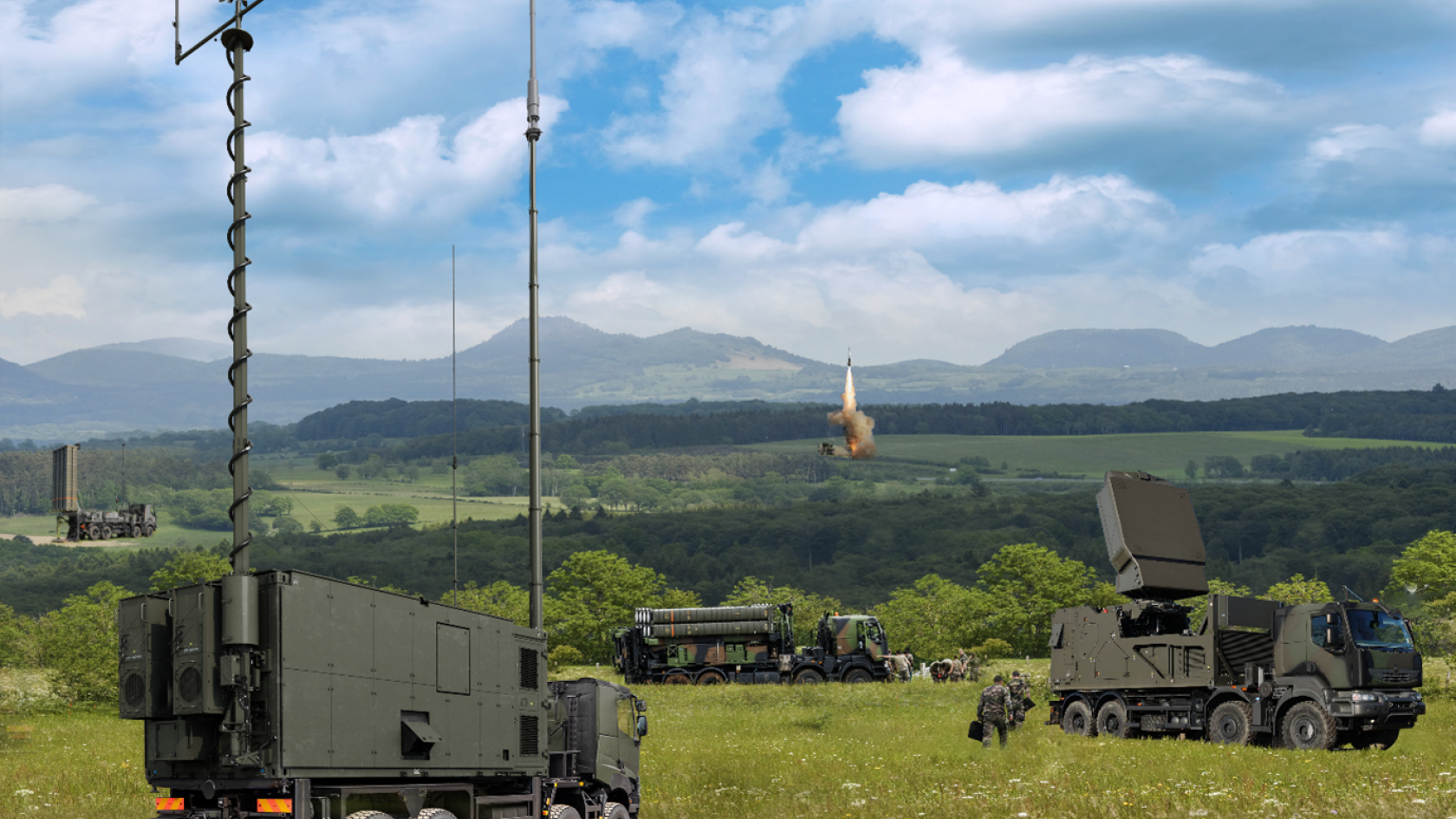
The competing SAMP/T NG system is developed through Eurosam, the joint venture involving MBDA and Thales. It is intended to provide long-range air defence and ballistic missile interception using the Aster interceptor family and a new engagement architecture.
Its Module of Engagement New Generation coordinates sensor information, engagement decisions, and the operation of connected launchers. The architecture can incorporate different multifunction radars, including the Thales Ground Fire and Leonardo Kronos Grand Mobile High Power systems.
The equipment is designed to operate with Aster 30 B1 and B1NT interceptors, while the wider SAMP/T NG architecture can accommodate additional shorter-range defensive systems. This allows the engagement module to coordinate different effectors within a layered defensive arrangement.
Integration with NATO command systems forms part of the SAMP/T NG development approach. Its architecture is intended to support the exchange of information between participating command organisations and the equipment operating within the defensive network.
For Switzerland, interoperability will involve the relationship between the additional long-range system and the country’s other air defence equipment. A national network combining products from different manufacturers must manage sensor information, identification procedures, command authority, and engagement coordination across the participating systems.
These requirements extend beyond selecting interceptors. Communications interfaces, information security, radar integration, and the handling of operational data can influence the engineering work needed to incorporate a new system into an existing defence architecture.
Switzerland has already selected IRIS-T SLM for medium-range defence and Rheinmetall’s Skynex for shorter-range protection. Both programmes add equipment and support requirements to the wider national structure, making coordination between systems an important part of future capability development.
Industrial considerations will also influence the long-range procurement. Missile production capacity, spare parts availability, maintenance arrangements, and access to technical support affect the ability to operate equipment throughout its intended service life.
The country is seeking to reduce the risk associated with relying on a single manufacturer or supply chain. Selecting equipment from a second supplier could diversify some production and support dependencies, although the extent of that diversification would depend on the industrial arrangements and components involved.
Swiss defence procurement also includes mechanisms for industrial participation through which overseas suppliers can involve domestic businesses and research organisations in relevant activities. The industrial arrangements offered by the competing manufacturers may therefore contribute to the assessment alongside equipment performance.
The government plans to submit additional defence and security financing measures totalling CHF24bn for parliamentary consideration. Within that proposed package, CHF6bn is intended to support the additional long-range air defence system and at least part of the extra costs associated with Patriot.
Parliament’s decisions will affect the funding available and the subsequent procurement process. The government will also need to consider the results of its technical and policy evaluation before determining the next steps.
The Federal Council expects to return to the question in early 2027, when it will consider an additional funding proposal for Patriot and the further procurement arrangements for the second long-range system. Barak MX and SAMP/T NG remain competing candidates, with neither yet selected for the additional Swiss acquisition.