IN Brief:
- Detroit Defense has received a four-year Army contract with a $49.9 million ceiling for DIGS and Digital Logbook.
- Initial task orders worth $8.06 million include engineering, software support, and deployment to more than 20 self-propelled howitzer battalions.
- A separate $1.66 million Defense Logistics Agency order covers diagnostic equipment for Army watercraft during 2027.
Detroit Defense has secured a four-year US Army contract with a ceiling of $49.9 million to develop, integrate, deploy, and sustain the Data Integration for Ground Systems (DIGS) and Digital Logbook (DLB) capabilities. The programme connects vehicle diagnostics with electronic maintenance records and logistics systems, extending established digital maintenance technology across additional Army equipment.
The indefinite-delivery, indefinite-quantity agreement runs through September 2030 and was awarded by Army Contracting Command–Detroit Arsenal following a competitive Commercial Solutions Opening process. Two initial task orders worth $8.06 million cover engineering, testing, software sustainment, and equipment fielding, including deployment to more than 20 self-propelled howitzer battalions.
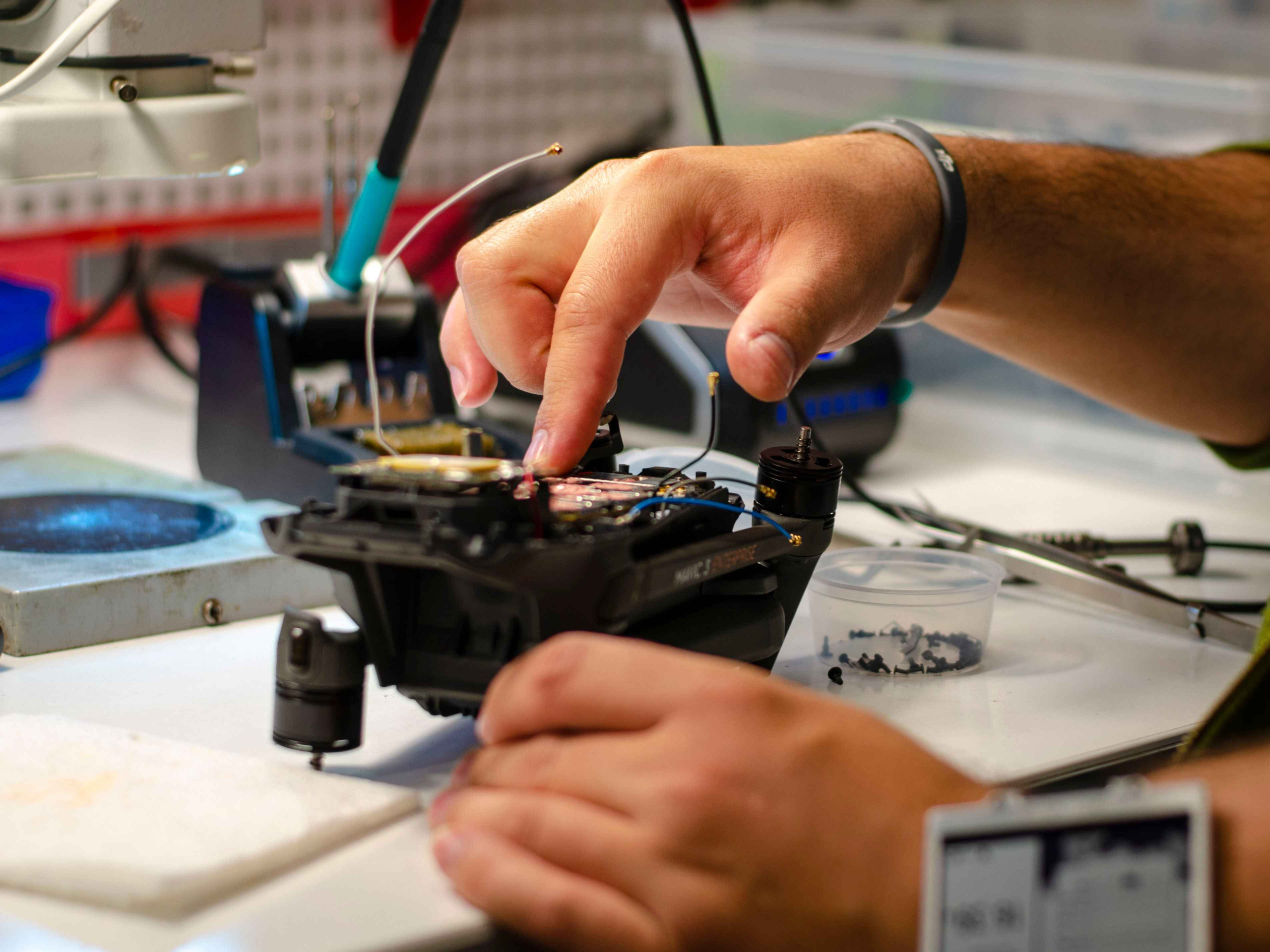
DIGS and Digital Logbook form a connected maintenance workflow in which technicians can examine equipment condition, consult technical documentation, and record maintenance activity using rugged tablets. The technology is intended to replace aspects of paper-based inspection and fault recording with information generated from vehicle systems and entered directly into digital maintenance records.
The diagnostic capability provides access to information collected through the electronic systems installed on military platforms. Sensors and controllers monitor operating conditions and can generate measurements or fault information associated with individual components. DIGS brings suitable information into a maintenance application, where it can support the identification and recording of equipment requiring attention.
Vehicle electronics vary considerably across the Army’s equipment fleet. Older systems may have different data interfaces, diagnostic protocols, and onboard controls from more recently introduced platforms, requiring engineering work to collect and interpret information consistently. Integration therefore involves establishing the available data, matching it to the relevant equipment configuration, and presenting it in a form suitable for maintenance use.
Digital Logbook provides the record-handling element of the arrangement. The software can generate DA Form 5988-E entries directly from vehicle sensor data, connecting recorded equipment condition with the Army’s established maintenance documentation. This reduces the amount of information that must be transcribed manually, while allowing maintainers to capture additional observations and actions through the same digital workflow.
The process also incorporates Interactive Electronic Technical Manuals, allowing technicians to consult approved equipment instructions while completing diagnostic or maintenance activity. Connecting documentation with the relevant platform and its condition data provides a common working environment for identifying problems, examining the required procedures, and recording completed work.
Information generated through DIGS and Digital Logbook can be exchanged with Global Combat Support System–Army (GCSS-Army), which supports maintenance and supply activities across the service. The connection allows recorded equipment requirements to enter the logistics processes used to manage repair parts and associated work. Reliable transfer depends on accurate platform identification, maintenance records, and compatible data interfaces.
The relationship between diagnostics and logistics is particularly important when a fault requires replacement equipment. Sensor information and maintenance observations establish the condition requiring action, while supply records provide the administrative means of obtaining parts. Combining those stages in a digital process reduces repeated handling of the same information and supports a more consistent record of outstanding maintenance.
The new contract includes continuing Digital Logbook software sustainment alongside further DIGS and DLB integration on existing and future Army platforms. Detroit Defense will work with engineers from the DEVCOM Ground Vehicle Systems Center Software Engineering Center in Warren, Michigan, maintaining the applications while supporting their introduction into additional equipment configurations.
The first fielding activity concentrates on self-propelled howitzer battalions. Detroit Defense will prepare and configure equipment kits at its Sterling Heights facility before installing them at the designated Army units. The work also includes New Equipment Training and Field Service Representative support at locations within and outside the continental United States.
Introducing the systems across multiple battalions requires controlled equipment preparation and installation. Each kit must match the intended platform configuration, with diagnostic connections, application settings, and supporting hardware checked before acceptance. Training will cover the operation of the equipment and the maintenance procedures required to collect and use the information it provides.
Software support will continue alongside those physical deployment activities. Changes to platform configurations, technical requirements, or maintenance procedures can affect how diagnostic information is interpreted and recorded. Sustaining the applications provides a means of maintaining compatibility while incorporating approved improvements into equipment already in service.
The programme also provides data for the Army’s developing predictive maintenance work. Detroit Defense is extending diagnostic and maintenance information into readiness applications with the 1st Cavalry Division under a separate Army Applications Laboratory award. Those applications combine recorded equipment condition and maintenance activity to support assessment of future servicing requirements.
A separate $1.66 million task order extends DIGS technology into Army watercraft. AR1, a joint venture between Detroit Defense and ACE Electronics, received the order under the Defense Logistics Agency’s Gateway to Readiness contract. It covers equipment for Landing Craft Utility vessels, Logistic Support Vessels, Modular Causeway Systems, and the Maneuver Support Vessel–Light.
The watercraft equipment is scheduled for delivery to domestic and overseas locations during 2027, with instructor training, technical manual development, and a compact charging case for the Maneuver Support Vessel–Light included in the work. Naval logistics equipment introduces different platform interfaces and maintenance arrangements, requiring the diagnostic technology to be configured for the relevant vessels and supporting systems.
The watercraft order remains separate from the $49.9 million Army contract and its $8.06 million initial task orders. Under the main agreement, software developed for the Army will be delivered with Government Purpose Rights, giving the service specified rights to use the resulting software within its contractual arrangements.
The programme establishes a route for extending existing digital maintenance technology across further Army platforms, beginning with artillery formations and continuing through engineering and sustainment work at Warren. Its initial funded activity covers integration, support, and fielding, while subsequent orders will determine how much of the four-year contract ceiling is used.