IN Brief:
- Oshkosh Defense and Grid Aero have established a partnership to prepare the Lifter autonomous aircraft for higher-volume production.
- The work covers design for manufacturability, supplier development, production planning, and future assembly using Oshkosh's Wisconsin industrial capacity.
- Grid Aero will continue aircraft development and initial production while the partners prepare a pilot manufacturing line.
Oshkosh Defense has established a manufacturing partnership with autonomous aircraft developer Grid Aero to prepare the Lifter platform for production at scale. The companies will combine Grid Aero’s modular unmanned aircraft design with Oshkosh’s manufacturing engineering, supplier management, and production capabilities, extending the military vehicle manufacturer’s industrial activities into aerospace.
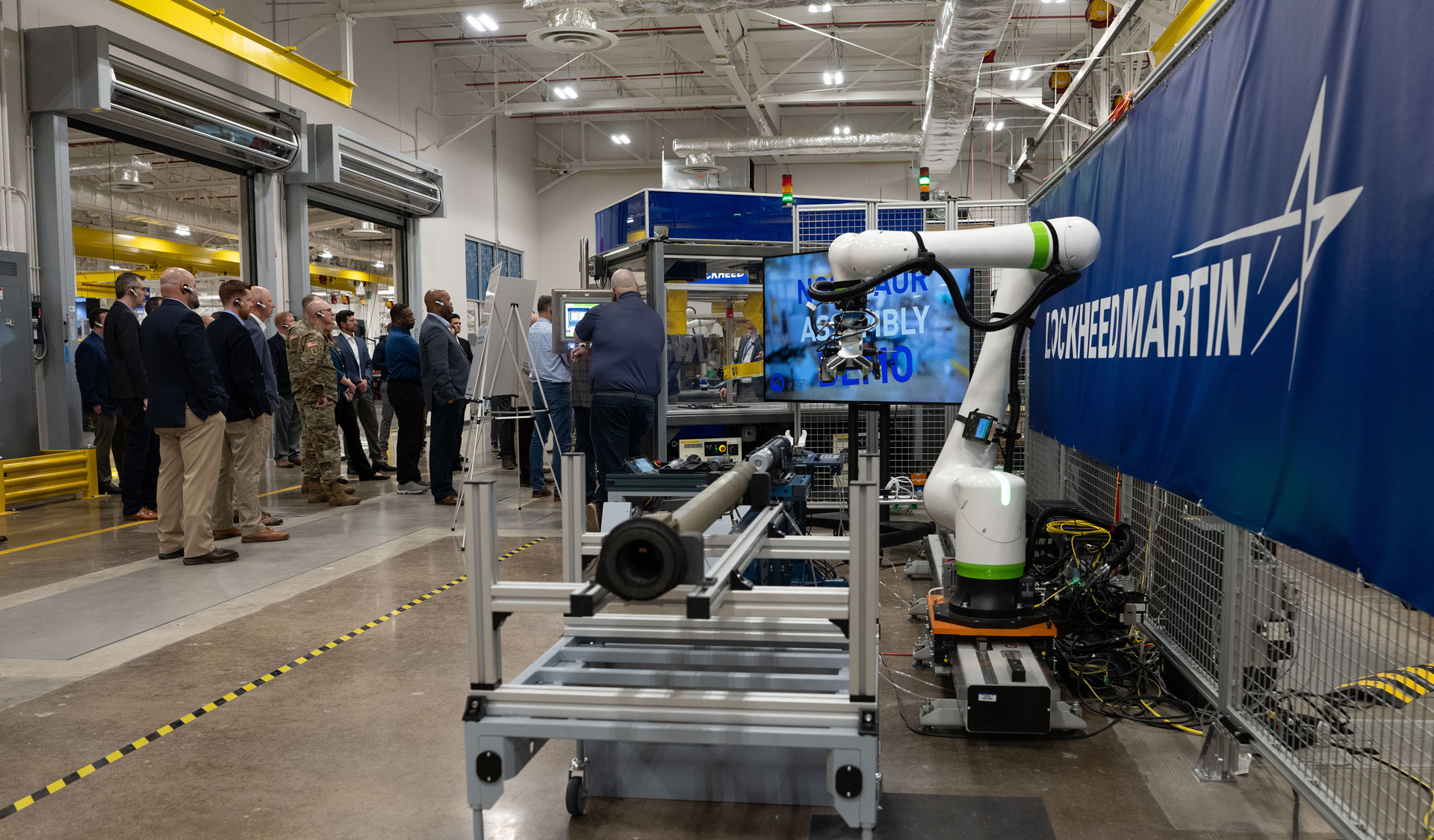
The partnership, confirmed on 2 November, begins with design for manufacturability, production planning, supply chain optimisation, and engagement with defence customers. Oshkosh intends to use its manufacturing infrastructure and workforce in Wisconsin to establish the capacity needed for Lifter assembly as the aircraft progresses through development.
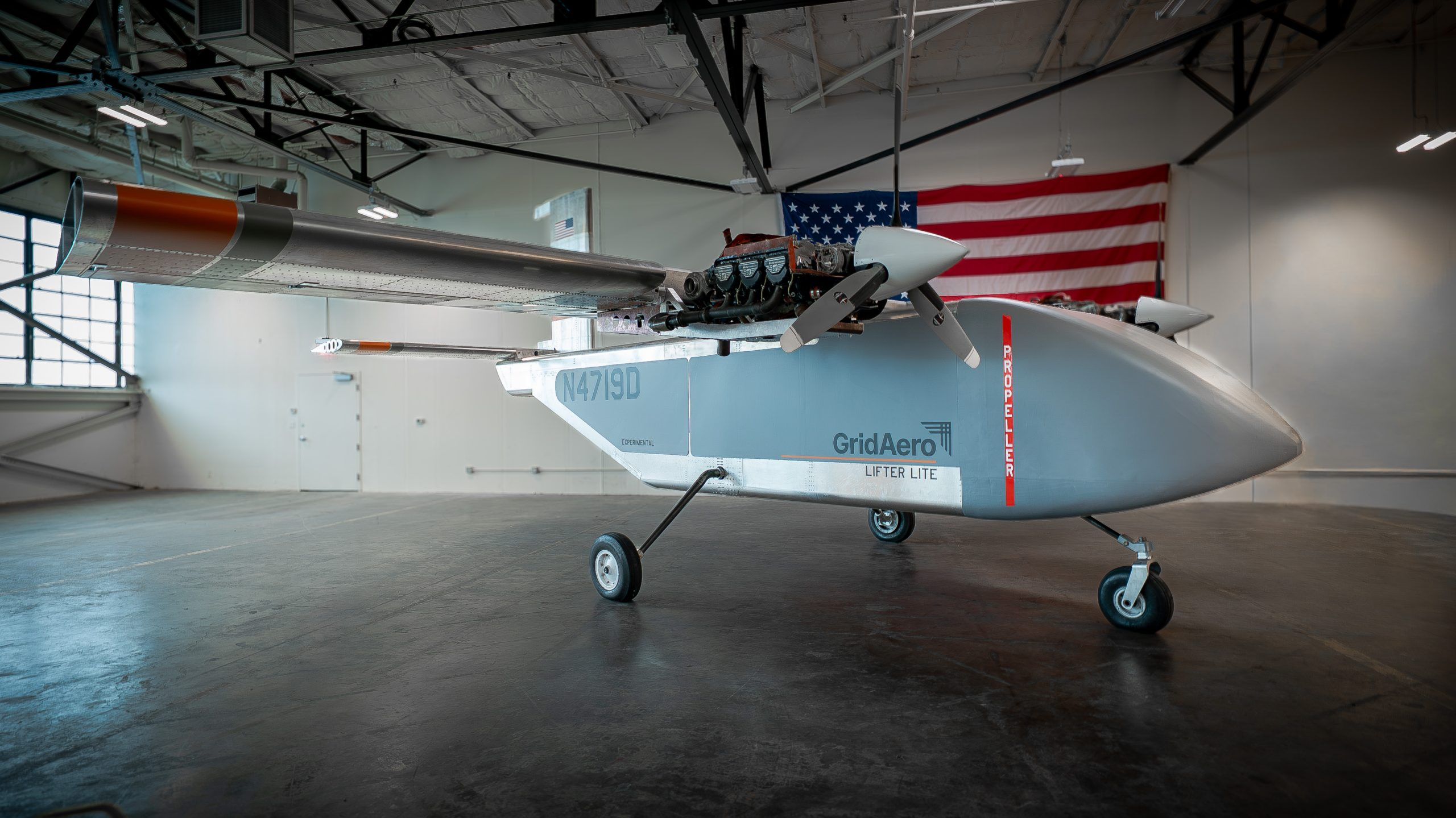
Grid Aero is developing Lifter as a long-range autonomous aircraft designed to accommodate different payload configurations. The platform is intended for military logistics and other missions in contested or austere environments, where transport systems may have to operate from dispersed locations with limited supporting infrastructure.
The aircraft uses piston propulsion and a structural approach based on readily available materials. Grid Aero has designed the platform around relatively simple manufacturing and maintenance arrangements, including metal construction, drawing on techniques associated with military vehicles as well as conventional aircraft engineering.
Those design choices provide a connection with Oshkosh’s established manufacturing capabilities. The company produces military trucks and specialised vehicles using metal fabrication, mechanical assembly, electrical integration, and controlled production processes. Its factories also accommodate different vehicle configurations, providing experience in managing common components and variant-specific equipment within a manufacturing programme.
Aircraft production introduces additional requirements because structural components must satisfy the loads associated with flight. Material selection, component geometry, joining methods, and manufacturing tolerances influence the finished airframe’s mechanical characteristics. The partners will examine how Lifter’s design can be produced using repeatable processes while meeting the technical requirements established during aircraft development.
The initial work concentrates on design for manufacturability. Components created for prototypes may require changes to simplify fabrication, reduce unnecessary assembly operations, or make inspection more consistent. Oshkosh and Grid Aero will assess the existing design against the equipment, manufacturing skills, and production methods available for building larger numbers of aircraft.
Metal construction provides opportunities to use familiar industrial processes, including sheet-metal fabrication and mechanical assembly. The approach also supports replacement and repair of suitable structural components, although the final production methods must remain compatible with the aircraft’s structural and operational requirements.
The design review will examine how individual parts move through the proposed manufacturing process. Component dimensions, fastening arrangements, access for tools, and the sequence of assembly can affect the labour needed to produce each aircraft. Changes that simplify those operations can help establish a manufacturing configuration suited to greater output than a development workshop.
Supply chain planning is being undertaken alongside the engineering review. Production at scale requires suppliers capable of delivering consistent quantities of material, components, and equipment. Parts that are readily available for prototype construction may present procurement challenges when required across many aircraft, particularly where deliveries must support a planned assembly sequence.
Grid Aero will work with Oshkosh to examine component selection and manufacturing methods against those supply constraints. The process could involve redesigning parts or changing how assemblies are produced to align with equipment and suppliers available at the intended production volume. The resulting configuration will feed into preparation of the manufacturing line.
Lifter’s modular payload architecture also influences production planning. A common airframe designed for several missions must provide suitable mechanical, electrical, and control interfaces for the equipment carried. Maintaining common assemblies can support efficient production, while configuration-specific work can be undertaken when the intended payload is selected.
Oshkosh’s experience producing military vehicles in different configurations provides an industrial basis for managing that approach. Its manufacturing lines already accommodate variations in equipment and customer requirements, although aircraft production will require its own tooling, inspection procedures, qualification work, and technical controls.
The partnership is planned as a phased manufacturing programme. Grid Aero will continue development and initial low-rate production while Oshkosh prepares its manufacturing capability. The companies intend to transfer production activity progressively as the aircraft design matures and customer demand develops.
Grid Aero chief executive Arthur Dubois has described further prototype testing over approximately six to twelve months, with a pilot manufacturing line at Oshkosh anticipated in about a year. The partners will revisit the airframe design and component choices during that period, using the results to prepare a configuration suitable for more extensive manufacturing.
The companies have ambitions to produce hundreds or potentially thousands of aircraft during the early 2030s. That objective reflects the output they intend to support through the partnership, with actual manufacturing activity dependent on aircraft development, customer requirements, and procurement decisions.
The Lifter platform is intended to address military demand for aircraft capable of transporting cargo over long distances without an onboard crew. Its modular design is also intended to accommodate other payloads, allowing the same basic aircraft architecture to support different applications. The manufacturing programme will need to account for those configurations while maintaining suitable commonality across production.
Aircraft fielding would create requirements for maintenance, replacement components, ground handling, and technical support alongside the initial manufacturing work. Oshkosh already provides sustainment and aftermarket services for military vehicles, giving the partnership an established industrial support organisation as the aircraft moves towards production readiness.
The new agreement establishes a manufacturing development programme rather than a funded aircraft purchase. Initial activities will focus on refining Lifter’s design, establishing suppliers, and preparing production processes, with further testing and pilot-line development determining the partners’ progress towards larger-scale manufacture.