IN Brief:
- TYTAN Technologies and KNDS Deutschland showed a Dingo 2-based Drone Defense Vehicle during a Munich event on 9 November.
- The reported configuration combines three SPEXER 2000M radar panels with four launch containers carrying up to 12 METIS interceptors.
- TYTAN says its Munich-Aubing operation has a planned capacity of up to 3,000 interceptor drones a month; current output was not disclosed.
German interceptor manufacturer TYTAN Technologies and KNDS Deutschland unveiled a Dingo 2-based counter-drone vehicle at the opening of TYTAN’s Munich-Aubing production facility on 9 November. The proposed Drone Defense Vehicle combines radar surveillance with containers carrying METIS interceptors, while the facility is intended to support an expanded output of small autonomous aircraft.
The system uses a protected Dingo 2 Pick-Up chassis and was shown with a rear-mounted mission module. The companies have not identified a military launch customer or a contract for full-rate vehicle production. TYTAN has indicated that series manufacture of the mobile system is planned for early 2027, but that is a future target rather than confirmation that completed vehicles are being delivered to an armed force.
The concept uses the Dingo 2 Pick-Up, a protected four-wheel-drive platform capable of carrying equipment in its rear load area. The proposed anti-drone installation places surveillance and engagement equipment on the vehicle instead of relying entirely on a fixed site or separately deployed launcher. The combination could support movements between defended positions, although the exact operating arrangements and time required to deploy its systems have not been disclosed.
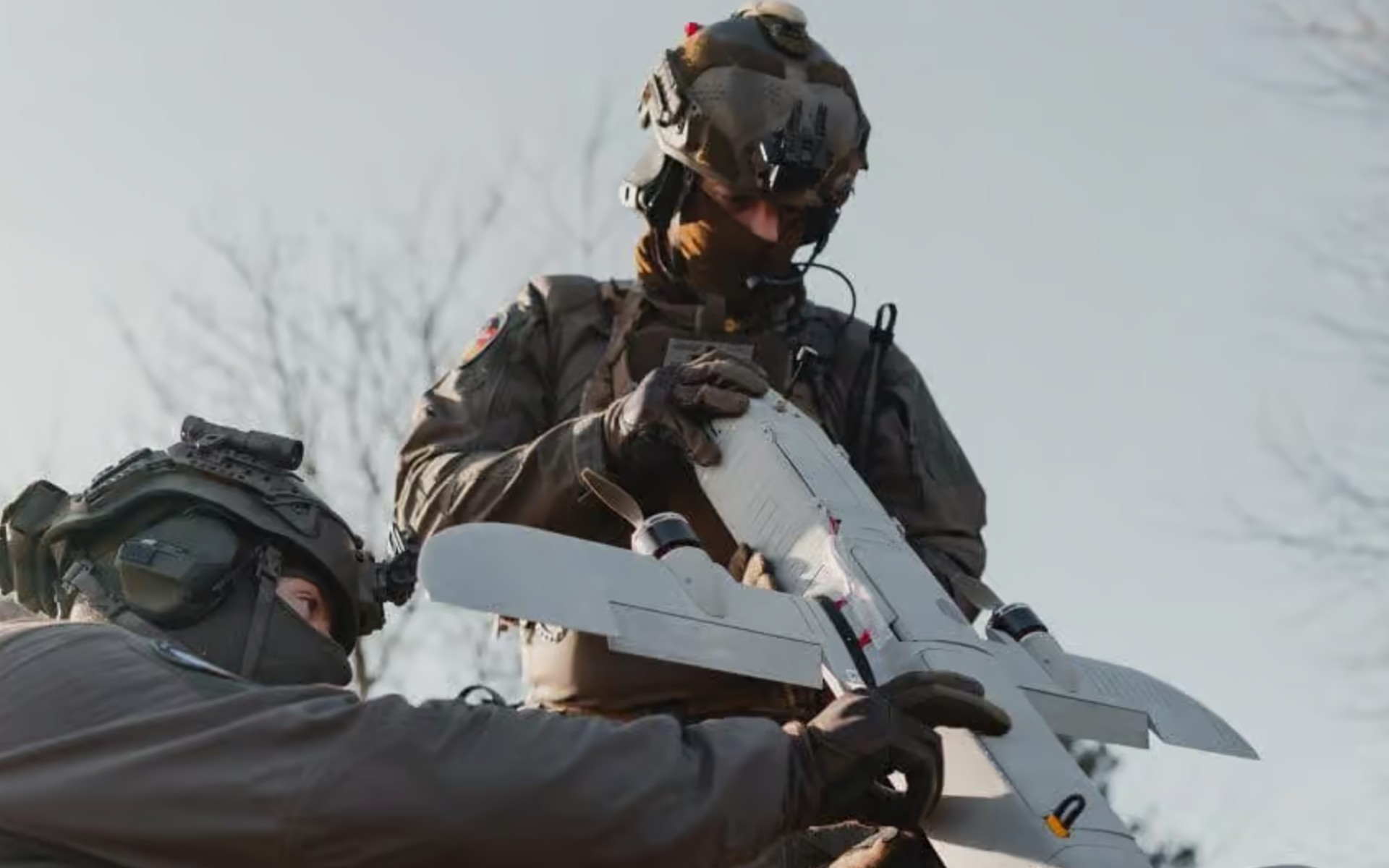
The displayed installation accommodates up to four METIS V2 launch containers, each holding three interceptor drones, for a maximum carried load of 12. This number describes aircraft stowage rather than the number of targets the system has successfully engaged during a documented test. Launch sequencing, guidance, aircraft readiness, sensor capacity, and operator workload would affect how many engagements could be conducted in succession or simultaneously.
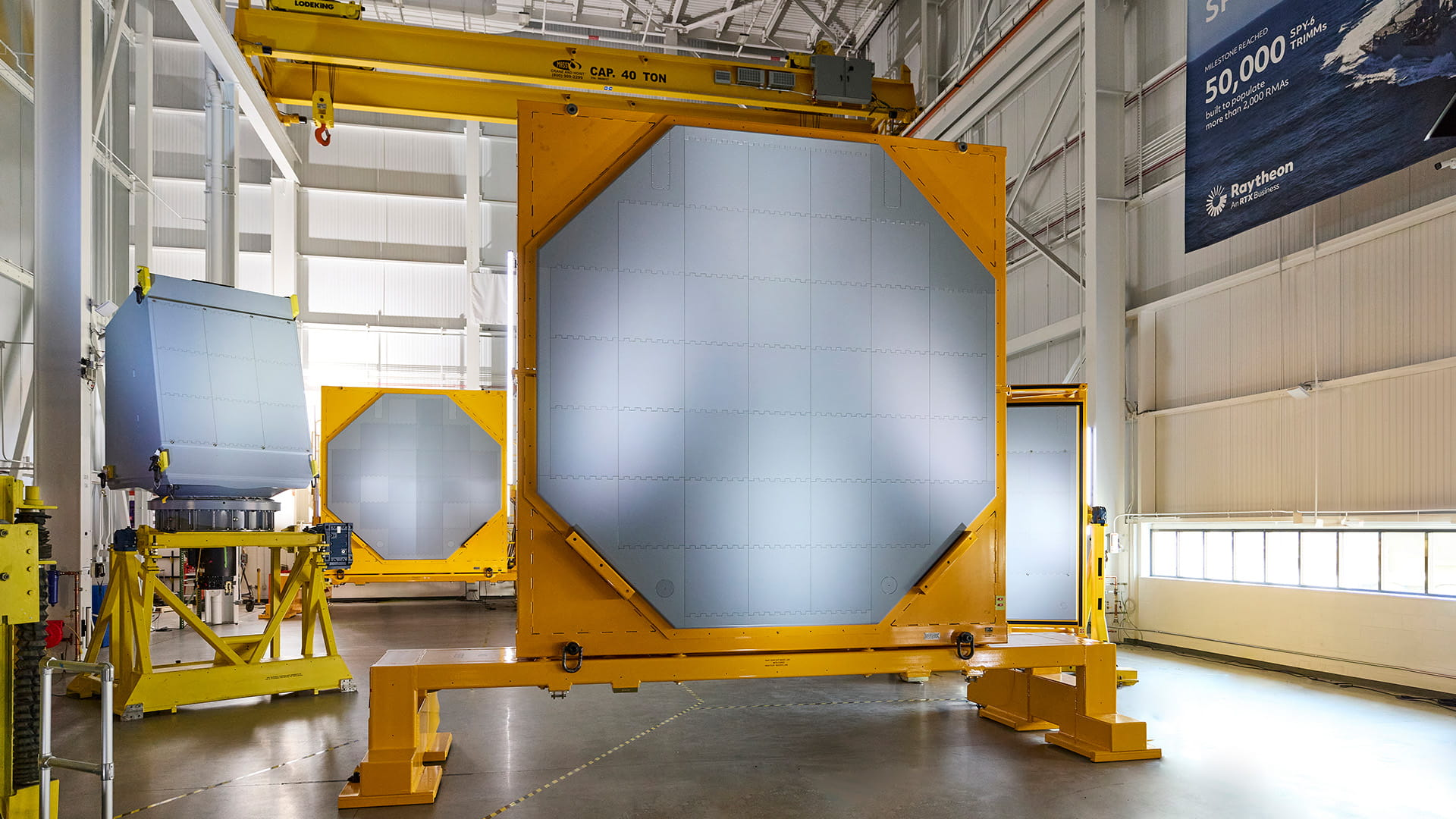
Three Hensoldt SPEXER 2000M 3D MkIII radar panels are arranged to provide surveillance around the vehicle. The source configuration is described as offering 360-degree coverage, although complete performance depends on panel mounting, nearby obstructions, terrain, and the characteristics of individual targets. Hensoldt quotes tracking capacity above 300 targets per panel and a possible range of up to 40km in certain modes. Neither figure proves that the assembled vehicle can detect every small drone at that distance.
Target detection and interception have to be connected by a reliable information and control chain. Radar tracks can identify an approaching aerial object, but an interceptor still needs suitable guidance and target updates to reach an engagement area. TYTAN’s publicly described interceptor portfolio includes autonomous navigation and sensor-assisted targeting functions. The Dingo presentation does not establish every interface, communications method, or handover procedure used in the proposed complete vehicle system.
The Dingo’s protected chassis gives the installation an established vehicle foundation, but adapting the platform for a specialist radar and interceptor load requires engineering beyond simply securing containers in the rear. Electrical generation, cable routing, mechanical mounts, operator workstations, access for maintenance, and the stability of the equipment under vehicle movement all affect the configuration. Structural loads and electromagnetic interference must also be considered when several transmitters and electronic subsystems operate close together.
Reporting from the Munich presentation identifies a three-person crew comprising a driver, an interceptor operator, and a weapon-system operator. The arrangement indicates a human supervisory role in the current concept, even where aircraft navigation or target-tracking functions are automated. It does not establish the rules under which an interceptor may be launched or how authorisation is managed when multiple possible targets are present.
TYTAN described the new Munich-Aubing facility as having capacity for up to 3,000 interceptor drones per month. The figure is an announced manufacturing capability rather than independently measured sustained output. The company expects the workforce to grow from approximately 60 people towards 100 as shift operations expand. No audited month-by-month production history or fixed schedule for achieving the stated maximum has been published.
Manufacturing small interceptors at high volume requires repeatability in structures, propulsion, guidance electronics, sensors, and final testing. Components have to remain sufficiently consistent for integration, while any change in a supplier or electronic device can affect software compatibility and qualification. Production throughput is also limited by acceptance tests, supply availability, and the ability to assemble and check each aircraft safely, rather than factory floor area alone.
The relationship between the mobile vehicle and interceptor manufacturing is important but should not be conflated. A factory capable of building thousands of interceptor drones would not necessarily produce the same number of complete Dingo-based vehicles, and the presentation included no such forecast. KNDS contributes the vehicle platform and associated integration expertise, while the precise commercial division of responsibilities between the partners has not been disclosed.
The Munich presentation establishes the physical layout of the proposed vehicle and identifies a manufacturing site intended to supply its interceptors. Combined radar and aircraft trials, acceptance testing, completed vehicle orders, and evidence of sustained factory throughput are separate milestones yet to be reported. The companies have not published a firm quantity of Dingo 2 installations or a delivery schedule for an armed forces customer.