
Aerospace
-

BlueHalo has secured a $99.8m US orbital research contract vehicle. AFRL’s LOBO programme begins with two task orders and will support space-system research activity through August 2031.
-
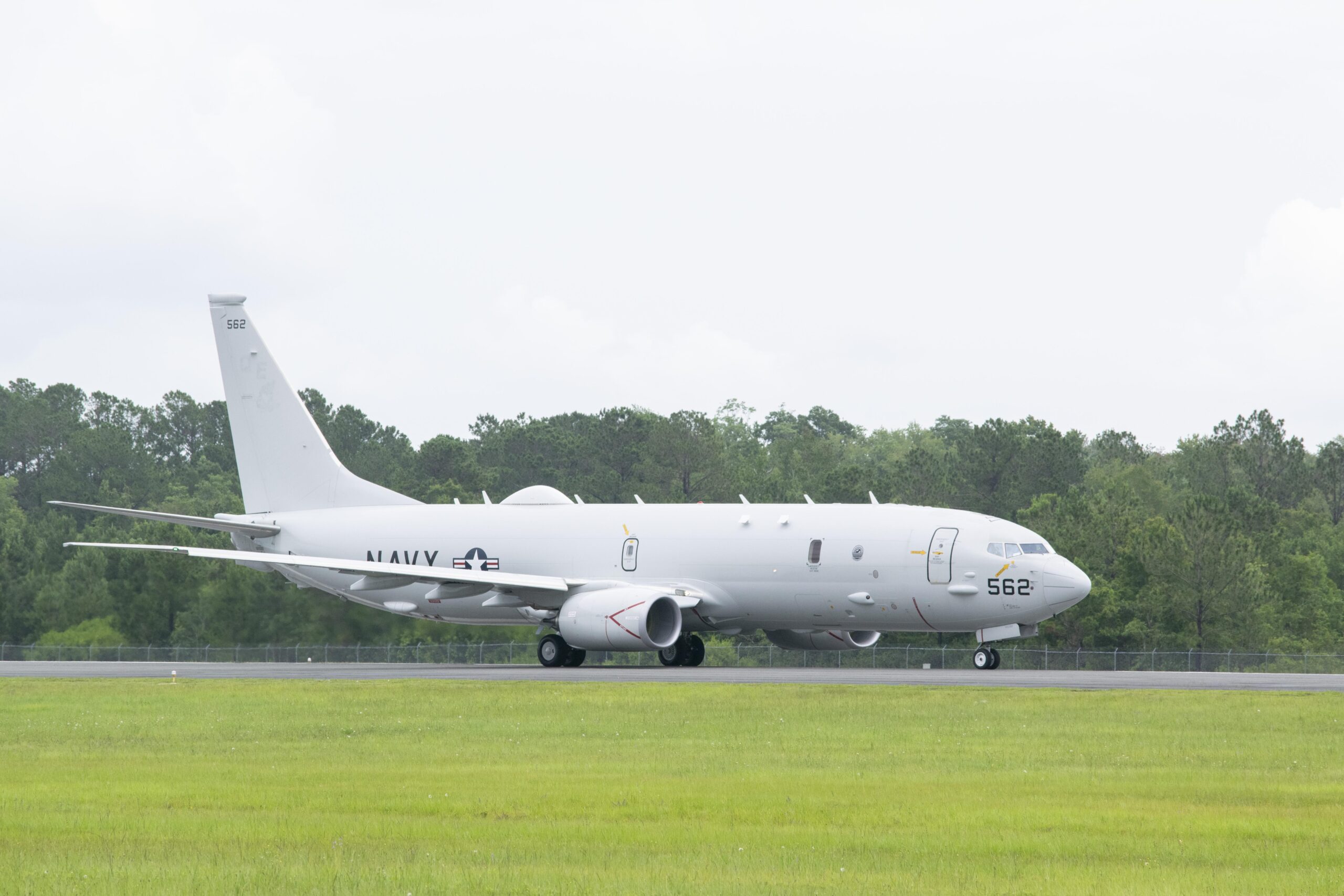
American Systems will update P-8A maintenance training for Block 2. The $30.6m modification supports US Navy and Royal Australian Air Force crews, with software, hardware, courseware, and readiness-system integration running through January 2029.
-
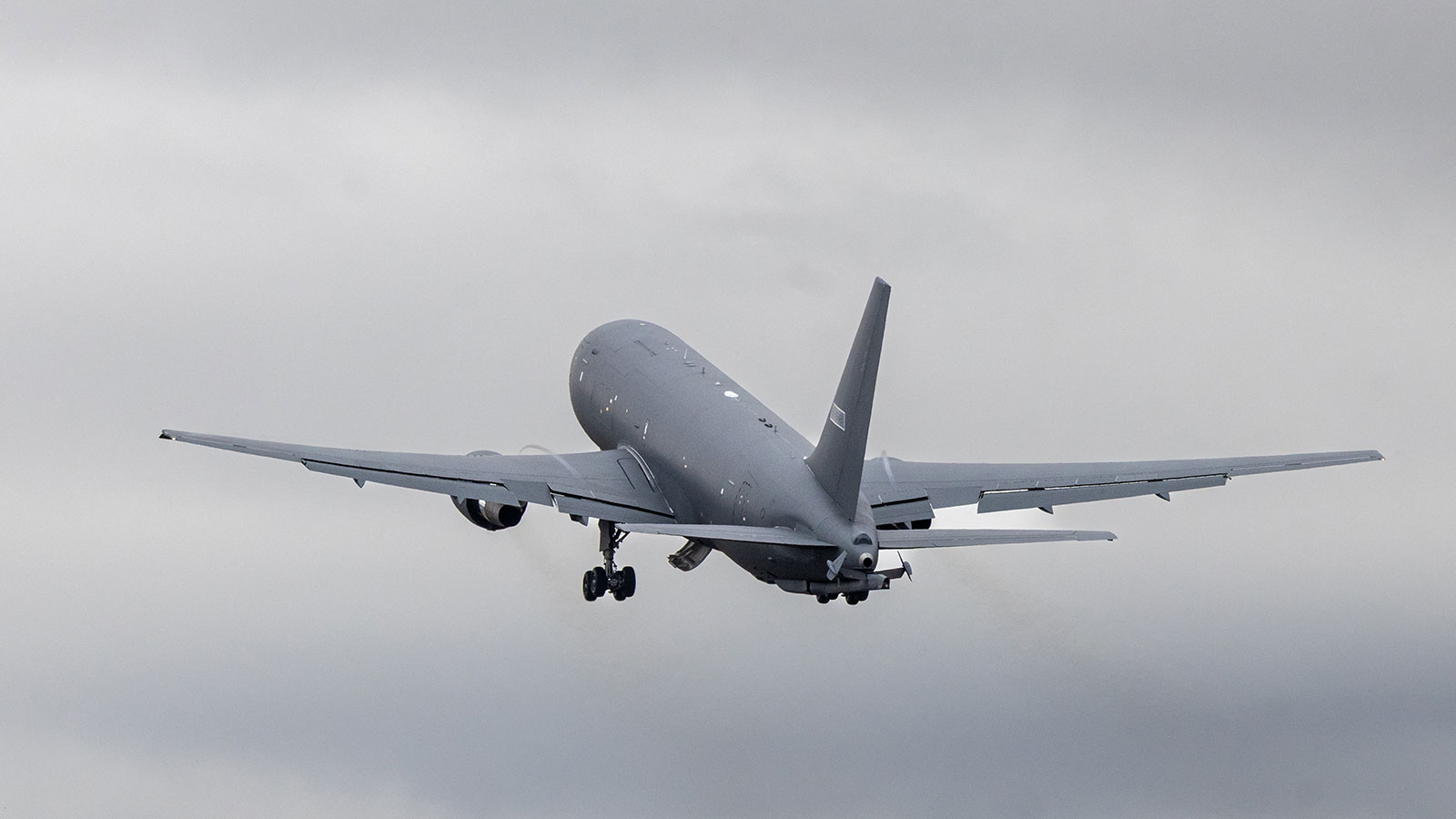
Boeing has expanded its KC-46 foreign sales contract ceiling sharply. The $13.4bn modification lifts the vehicle to $19.1bn and adds scope for Japan, Israel, and future partner countries.
-

Britain has disclosed substantial military spending on SpaceX satellite services. The MoD holds roughly 1,000 Starshield and 500 Starlink terminals as commercial LEO connectivity becomes embedded alongside sovereign military communications.
-

Airbus will build the first IRIS² low-orbit satellite production layer. At least 66 spacecraft are due during 2029, carrying Thales payloads that will provide military Ka-band connectivity for European users.
-

The Netherlands intends to acquire one Saab GlobalEye surveillance aircraft. A Swedish-Dutch Letter of Intent covers the proposed purchase and longer-term cooperation, although Saab has not yet received an order.
-

France has ordered eight Airbus U050 Capa-X drones for evaluation. Army and Navy systems will arrive during 2027 following land and maritime trials of the modular 120kg UAS.
-

Teledyne has secured a $15.4m European drone energetics supply contract. Immediate deliveries support an unnamed manufacturer moving advanced uncrewed systems towards production, with the relationship potentially exceeding $50m.
-
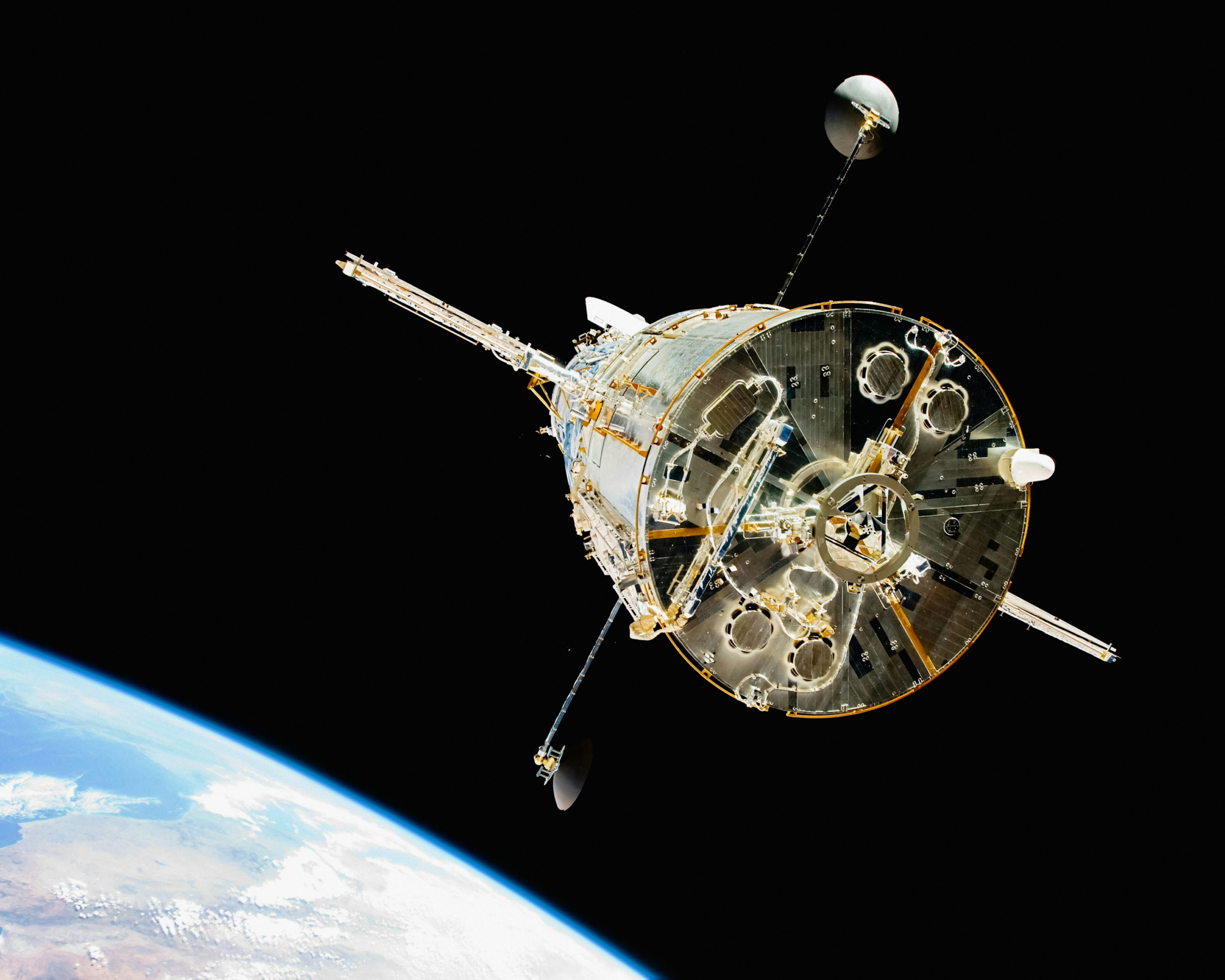
Thales will supply governmental payloads across 330 planned IRIS² satellites. The initial €500m order covers secure communications electronics for both low-Earth-orbit layers of Europe’s sovereign connectivity programme.
-

Eutelsat and Skynopy will build Global AKAR ground infrastructure network. More than 100 antennas are planned by 2029, with software-defined access intended for commercial, institutional, defence, and other sensitive satellite applications.