
Aerospace
-
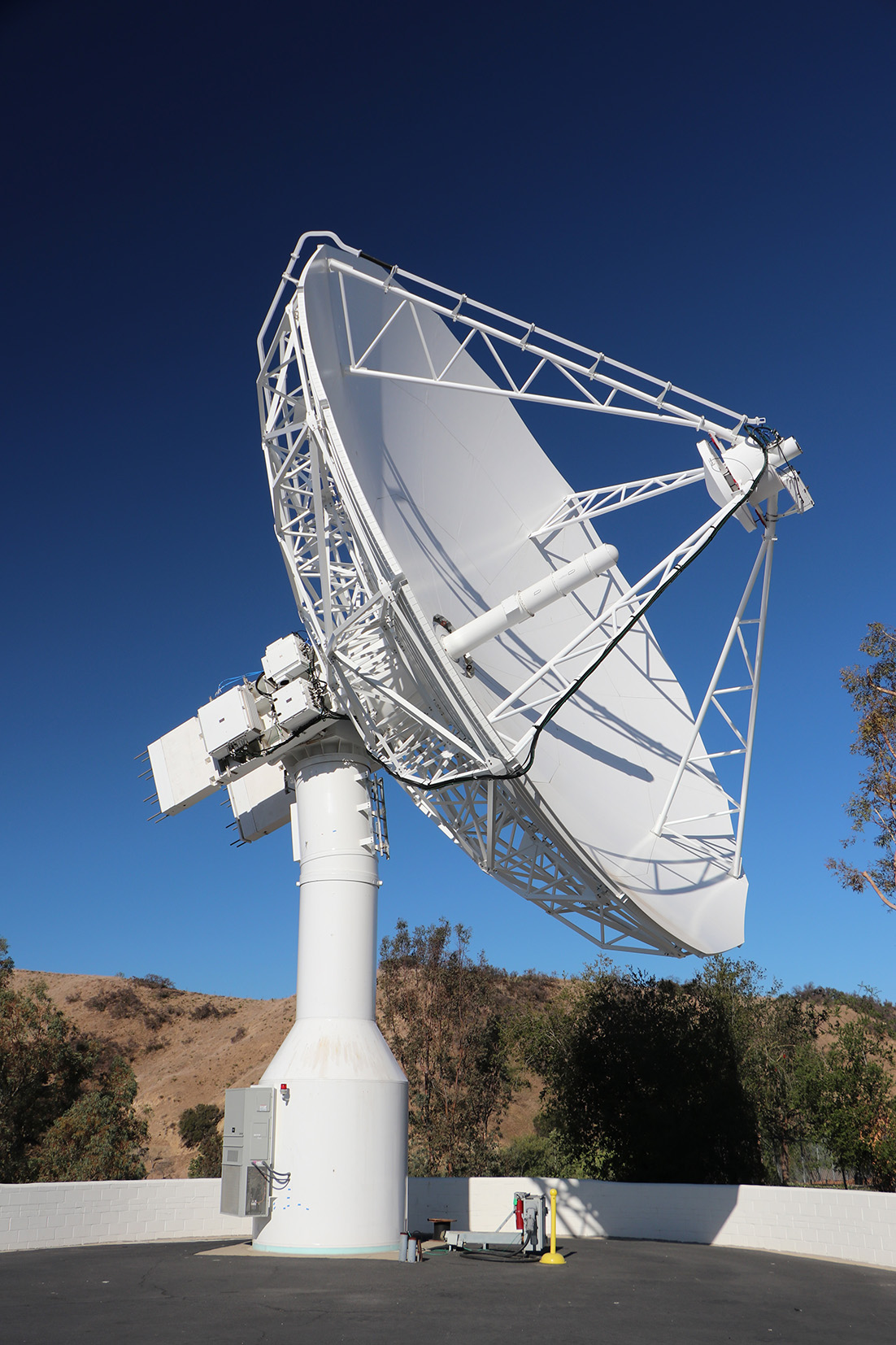
Fisica is standardising CAD and PLM across its defence engineering. Creo and Windchill will support configuration control, traceability and multi-site collaboration.
-
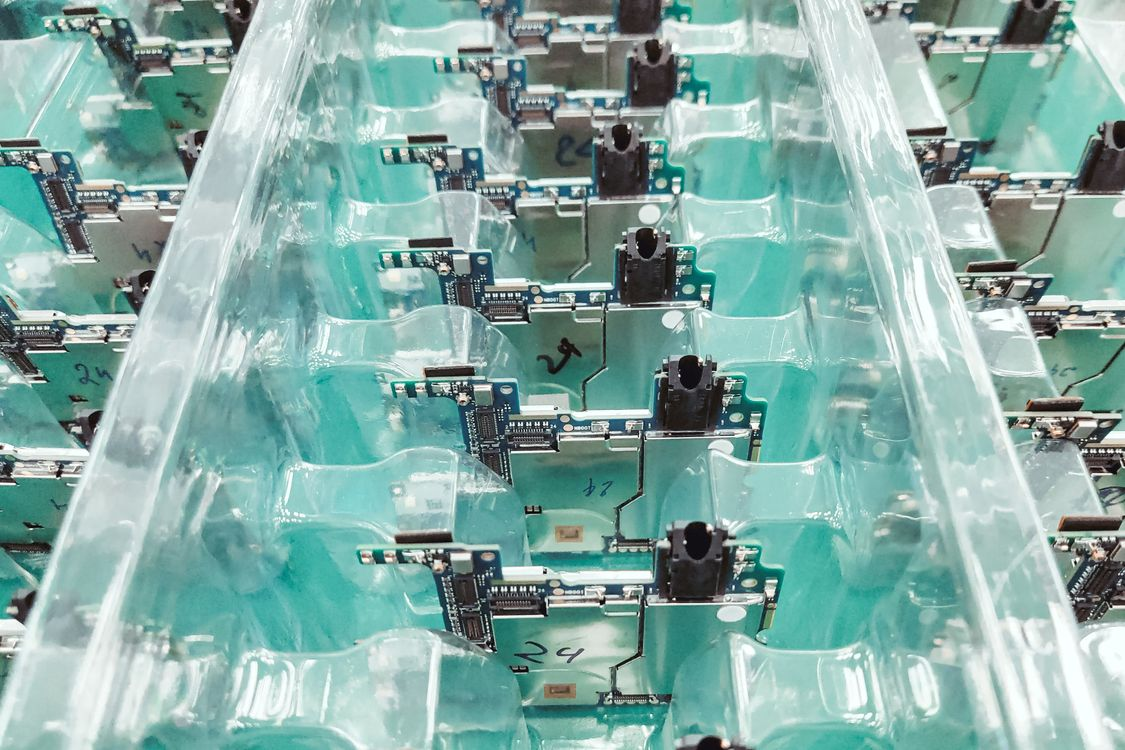
Cicor has secured new European defence electronics programmes worth €30m. Deliveries will run from 2027 to 2029, with initial orders already placed.
-
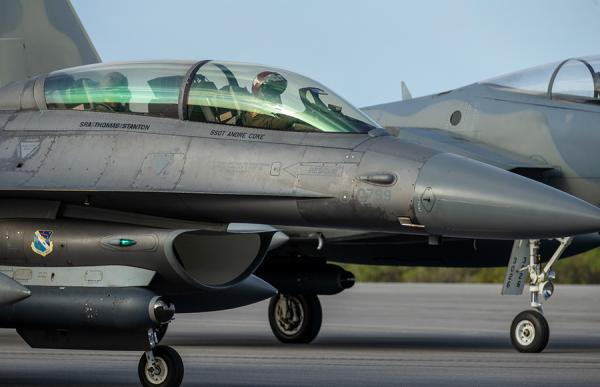
Lockheed Martin has linked Legion pods directly during F-16 trials. Shared infrared tracks improved targeting accuracy without relying on aircraft radar.
-
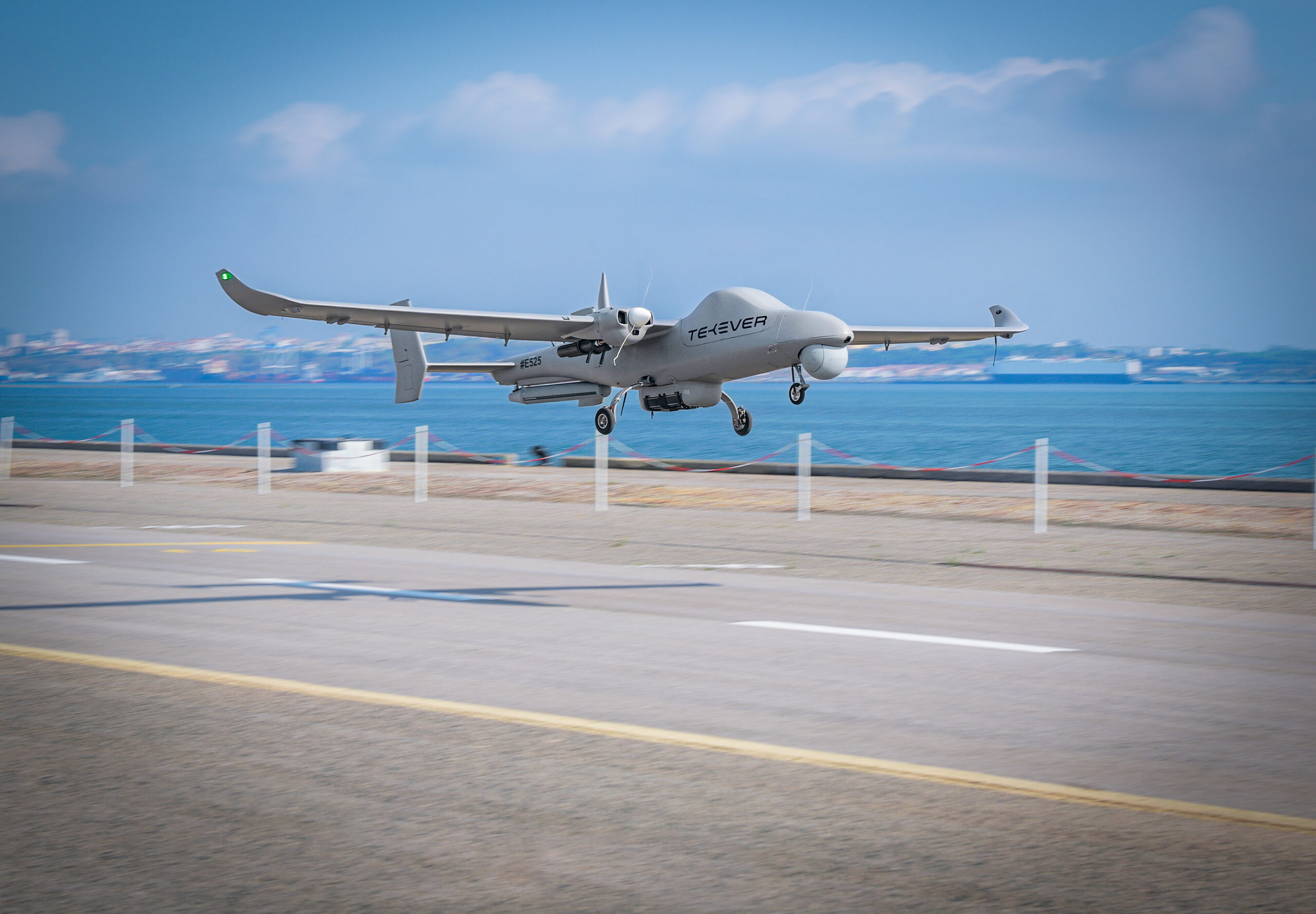
Britain has formally awarded TEKEVER its long-endurance Army drone contract. Initial deliveries will support the replacement of Watchkeeper and expand UK production.
-
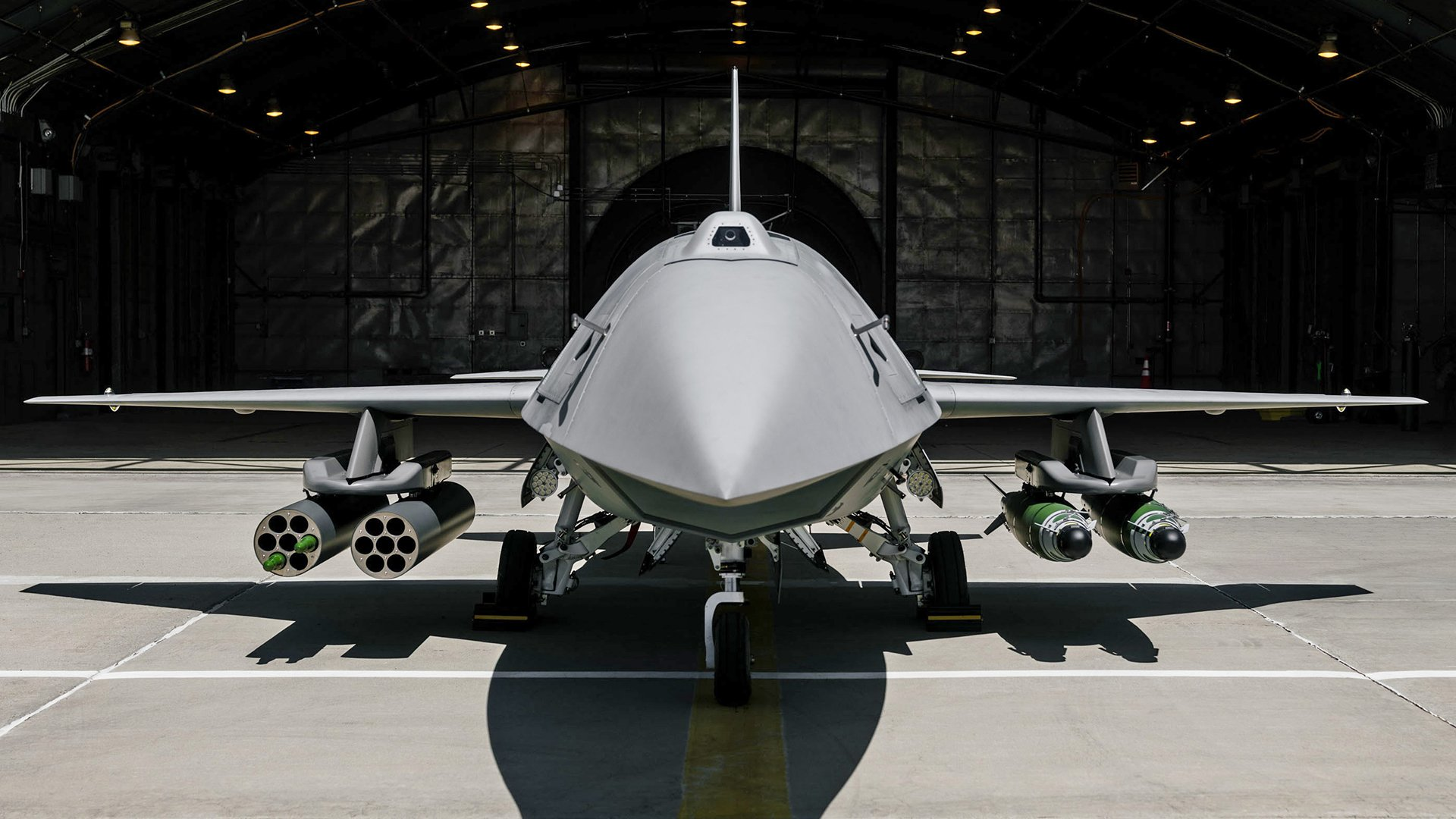
Anduril has begun ground integration of air-to-ground weapons on Fury. Fit checks include guided bombs, Small Diameter Bombs, and rocket pods.
-

HII will develop next-generation airdrop technologies for Army sustainment missions. The five-year programme spans cargo, personnel, autonomy, sensing, and cybersecurity.
-
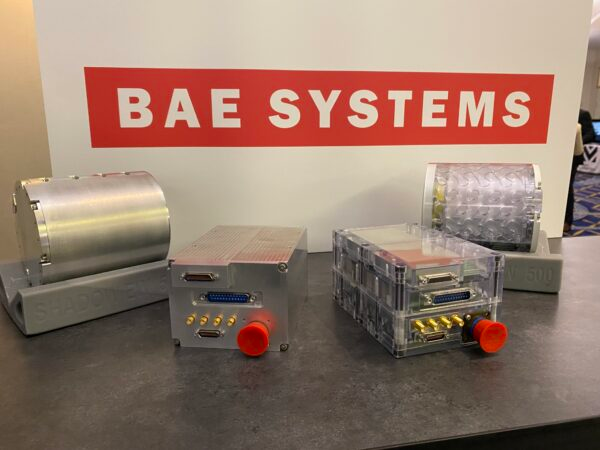
BAE Systems has launched a compact electronic warfare product family. Shadow EW targets smaller airborne platforms with scalable, software-defined architectures.
-
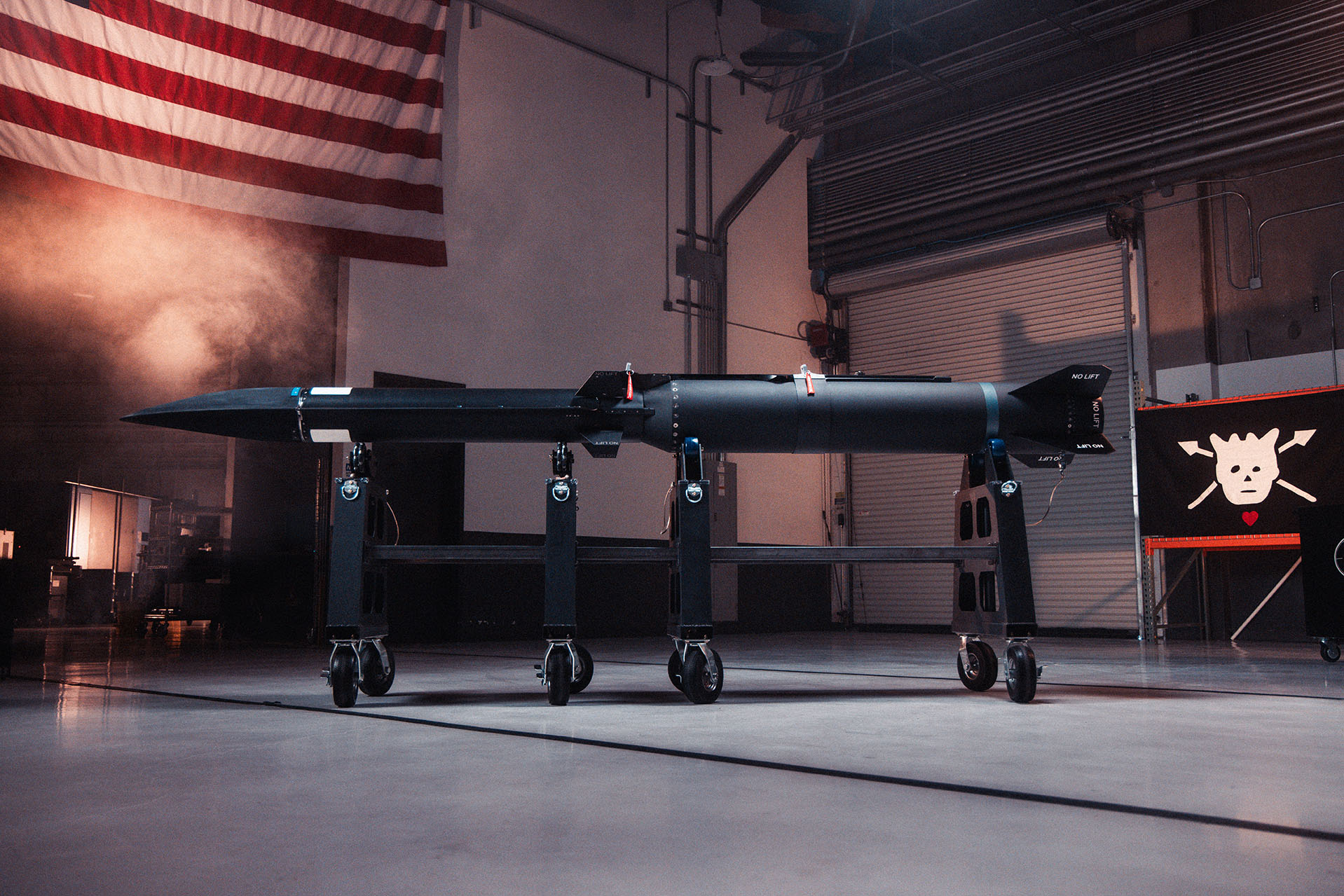
Castelion has secured a new Navy Blackbeard production delivery order. The award moves the hypersonic programme beyond earlier prototype and transition work.
-
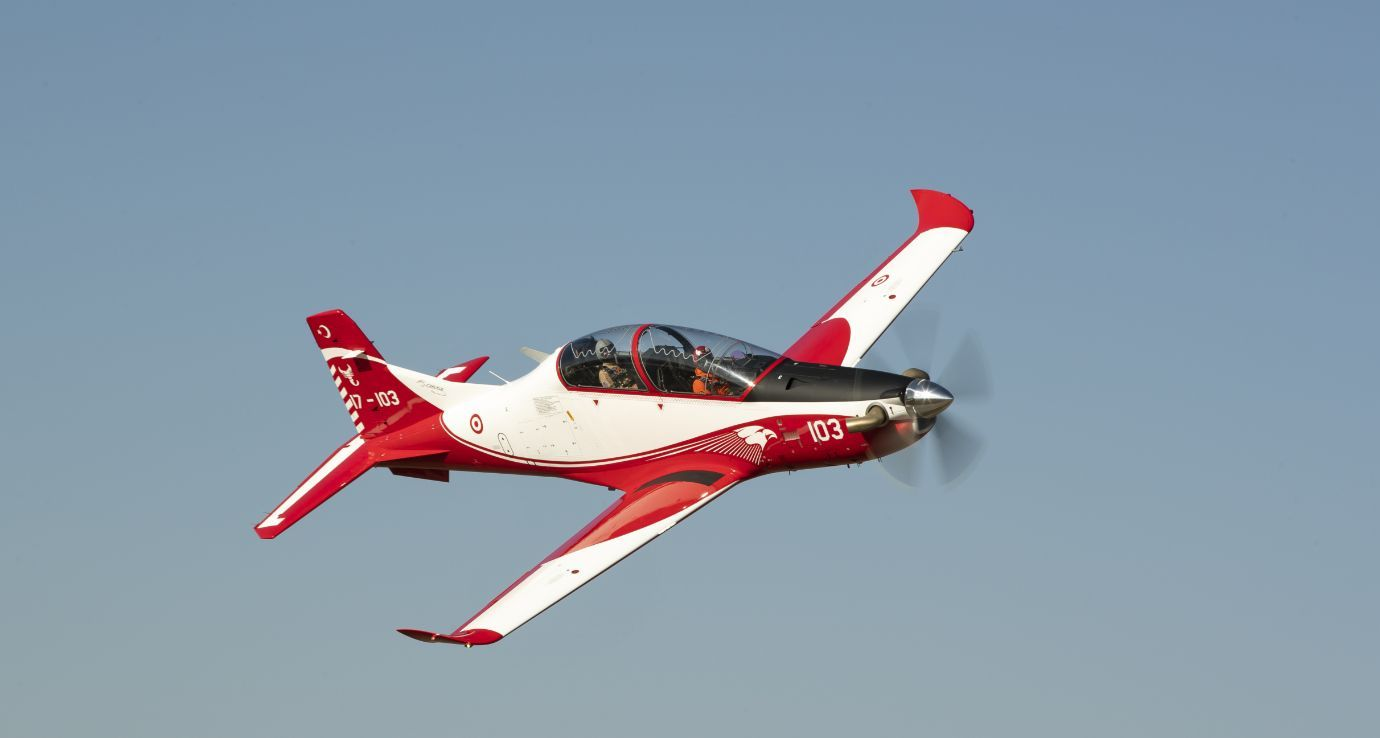
Türkiye has completed military type certification for HÜRKUŞ-II trainer aircraft. The programme verified 1,790 requirements through 153 tests and extensive technical review.
-
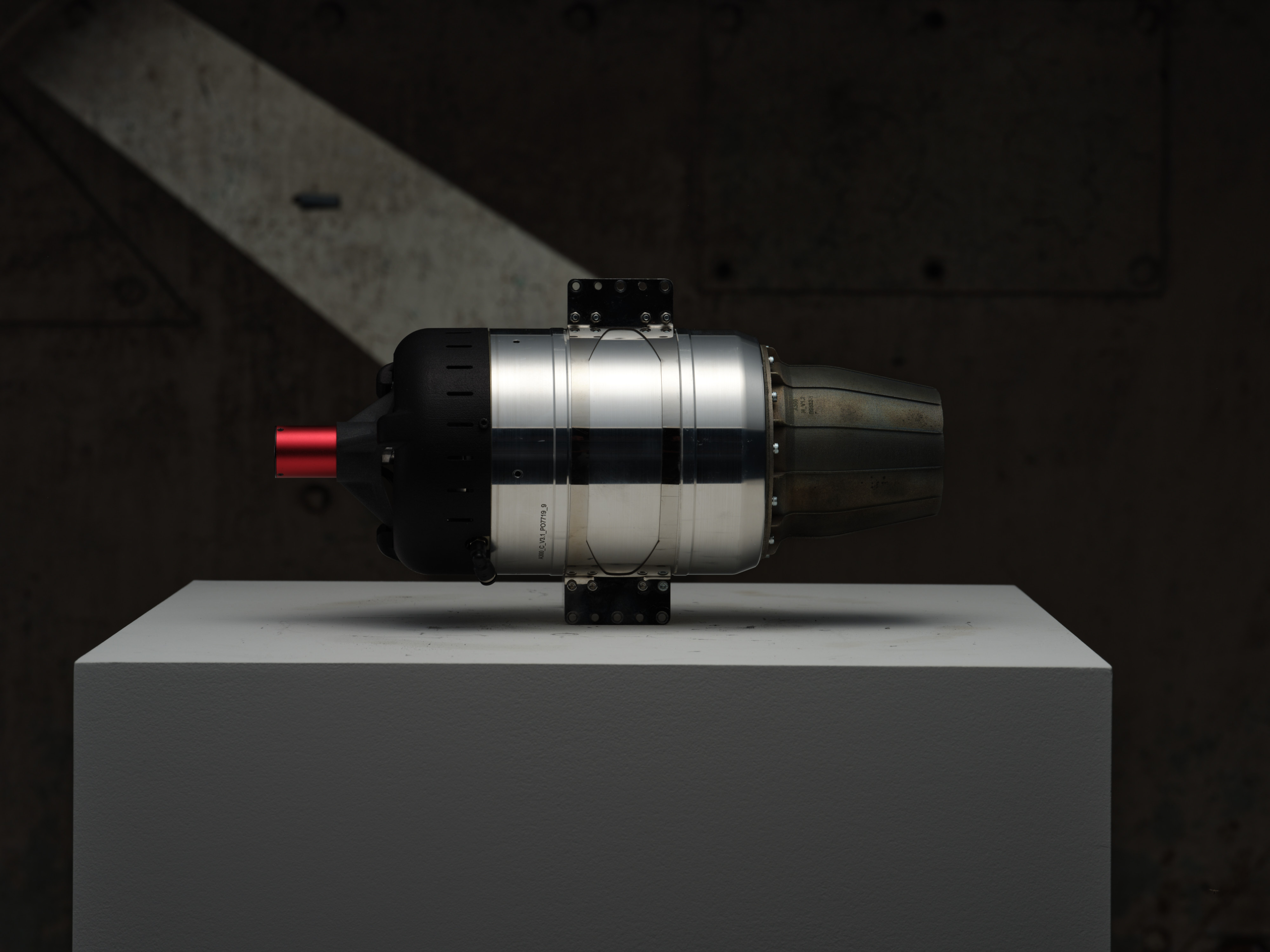
Britain has moved a sovereign turbojet programme into serial production. A 300N engine has completed flight testing while an 1,100N variant is flight-ready.