
Aerospace
-
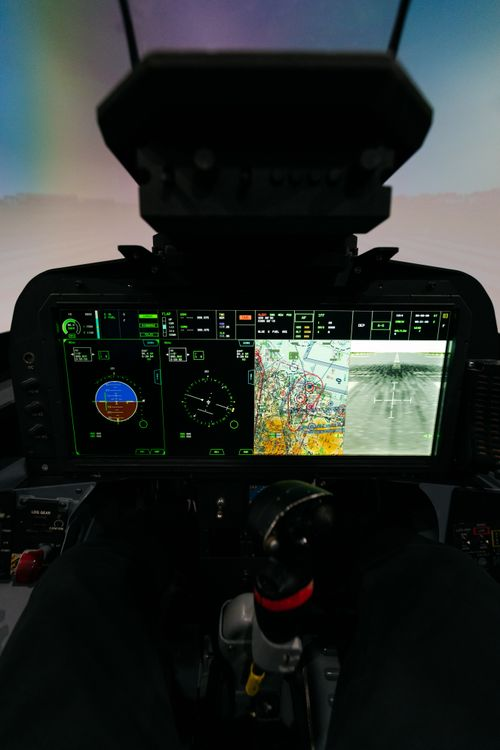
Lockheed Martin linked sixteen F-35 simulators across four operating bases. F/A-18 training devices and an E-2D controller also joined the two-hour distributed multidomain mission rehearsal.
-
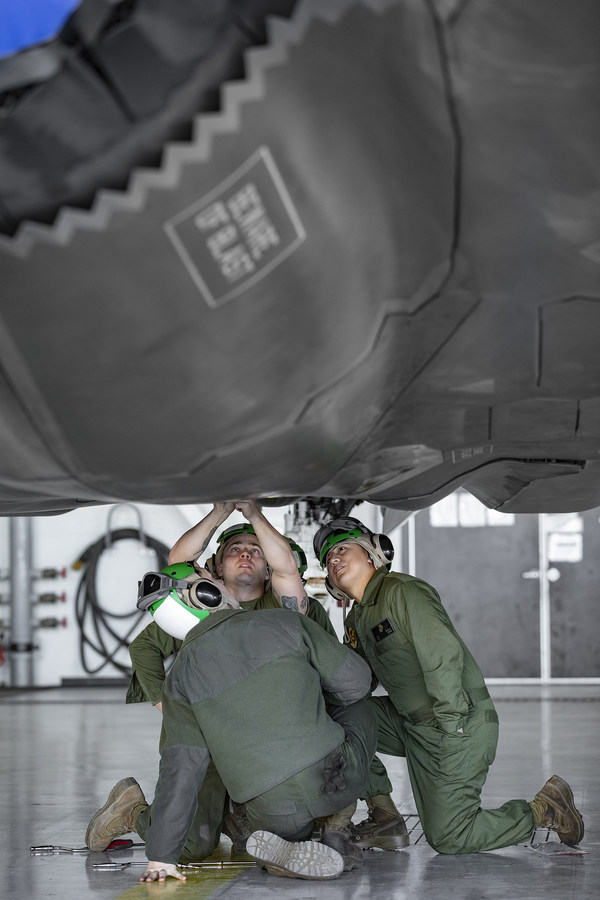
Lockheed Martin gains additional capacity under its F-35 support contract. The $871.24 million modification expands ordering headroom for site activation, equipment, and initial sustainment.
-
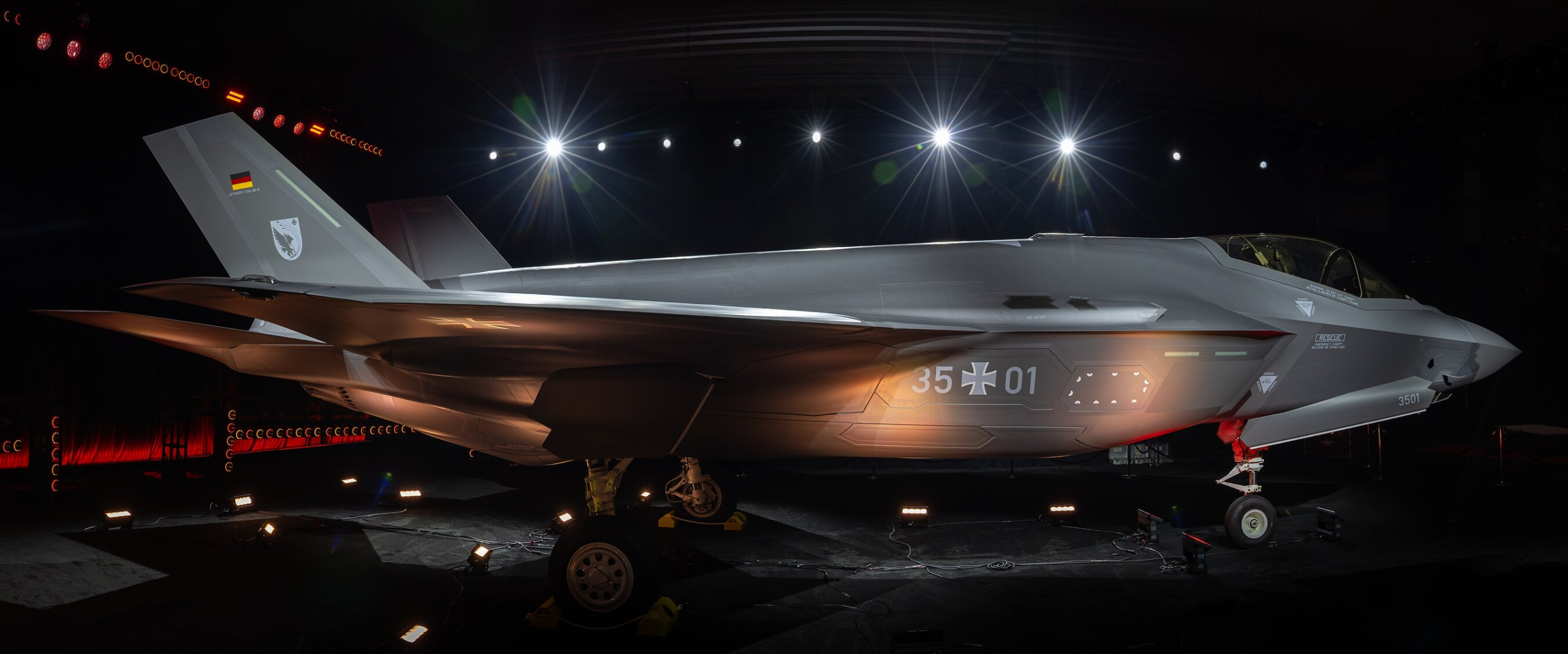
Germany’s first F-35A has been presented at Fort Worth, Texas. The rollout moves the 35-aircraft programme into its US-based training and delivery phase.
-
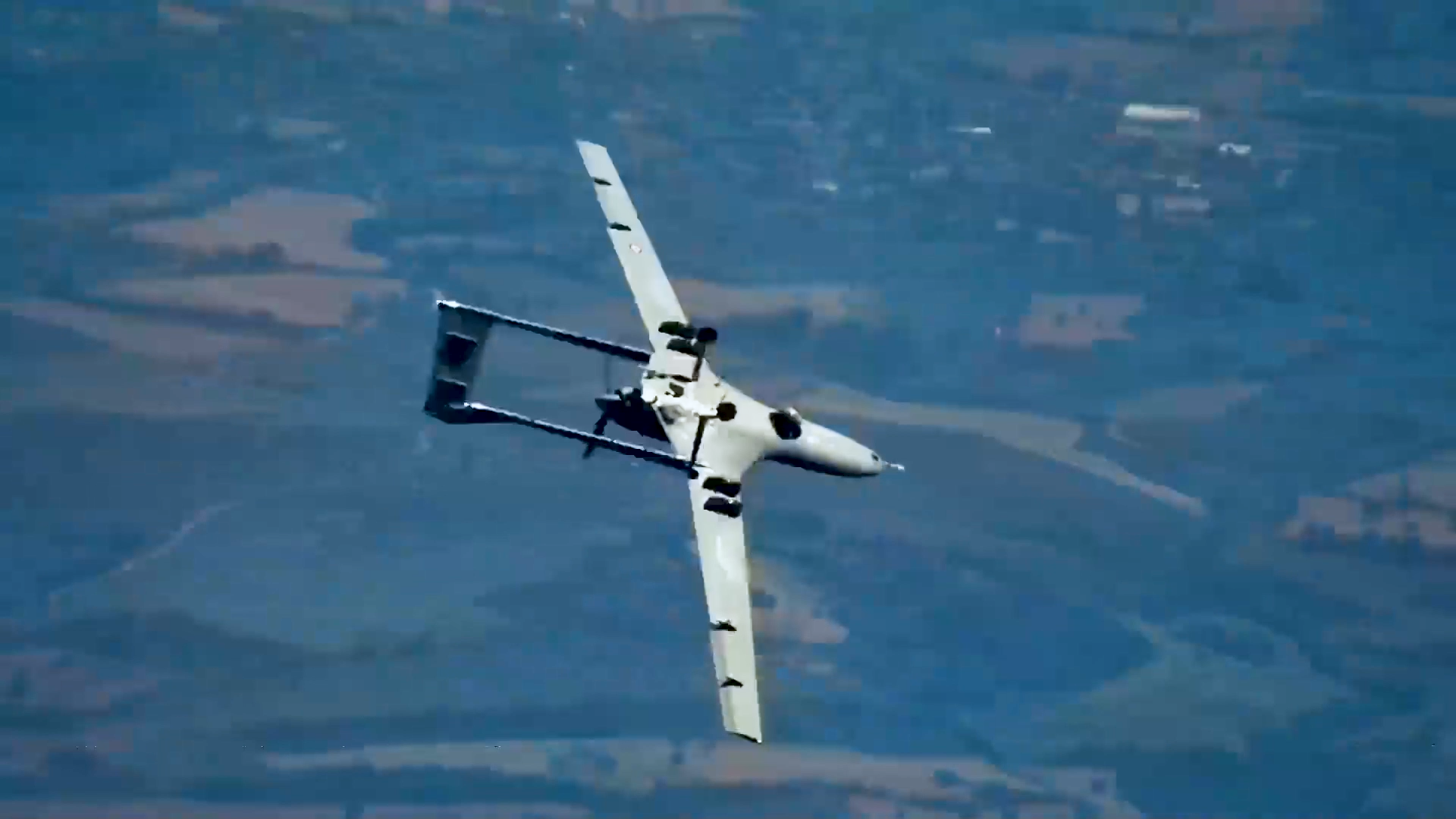
ASELSAN has demonstrated three airborne payloads aboard Bayraktar TB2 aircraft. The coordinated trial combined electronic support, electronic attack, and synthetic-aperture-radar reconnaissance.
-
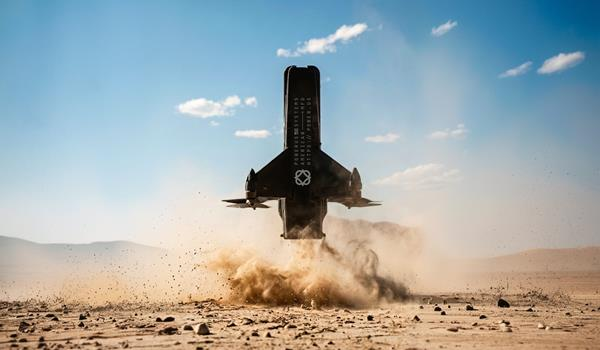
Powerus has secured an initial Pakistani unmanned systems procurement order. A separate memorandum establishes a framework for possible wider cooperation subject to further agreements and approvals.
-
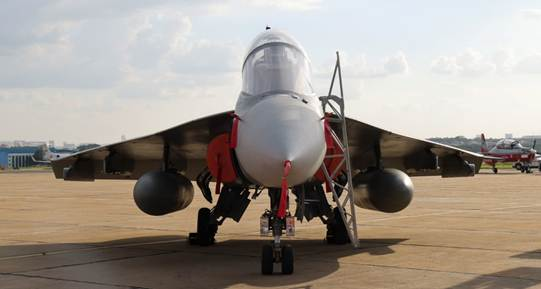
HAL has delivered nine aircraft across three Indian aerospace programmes. The handover closes the Tejas FOC trainer contract while advancing HTT-40 and Dhruv NG deliveries.
-

Perennial and Neros topped separate Drone Dominance Gauntlet mission areas. The results advance a Pentagon acquisition programme built around competitive testing, rapid manufacturing, and high-volume drone procurement.
-
Washington has approved a possible F-35 sale to Saudi Arabia. The $24.3 billion proposal covers 48 aircraft, engines, equipment, training, software, and sustainment rather than a completed contract.
-
Lockheed Martin will expand AIM-260 production under Pentagon framework agreement. The arrangement supports manufacturing investment ahead of a planned multiyear procurement contract that remains subject to Congressional approval.
-
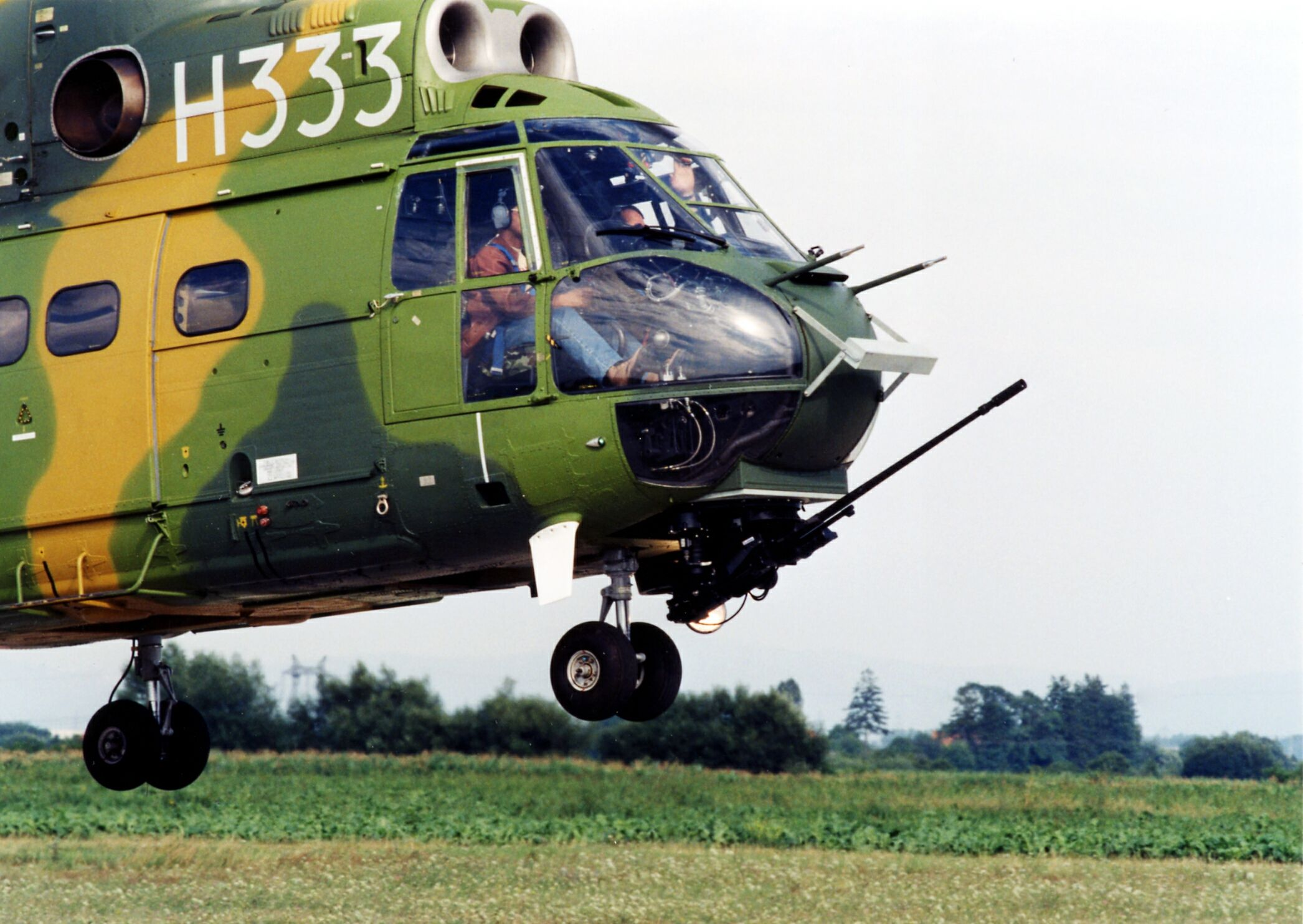
KNDS will supply 126 THL20 turrets for India’s LCH fleet. The order extends an established armament relationship and adds another large production run for the 20M621-based system.