IN Brief:
- Indonesia is deploying 13 GM403 air-surveillance radars through a partnership involving Thales and PT Len Industri.
- PT Len is supporting station construction, system integration, and production of transmitter-receiver octopacks.
- Calibration, radio-frequency quality, software support, and domestic maintenance will determine the programme’s lasting industrial value.
Indonesia has deployed a Ground Master 403 air-surveillance radar in South Kalimantan as a 13-system programme continues to extend national coverage and domestic radar capability.
Installed in the Banjarbaru area, the system forms part of a partnership between Thales and state-owned PT Len Industri. The first radars entered the Indonesian Air Force’s network earlier in 2026, with further stations due to follow across the archipelago.
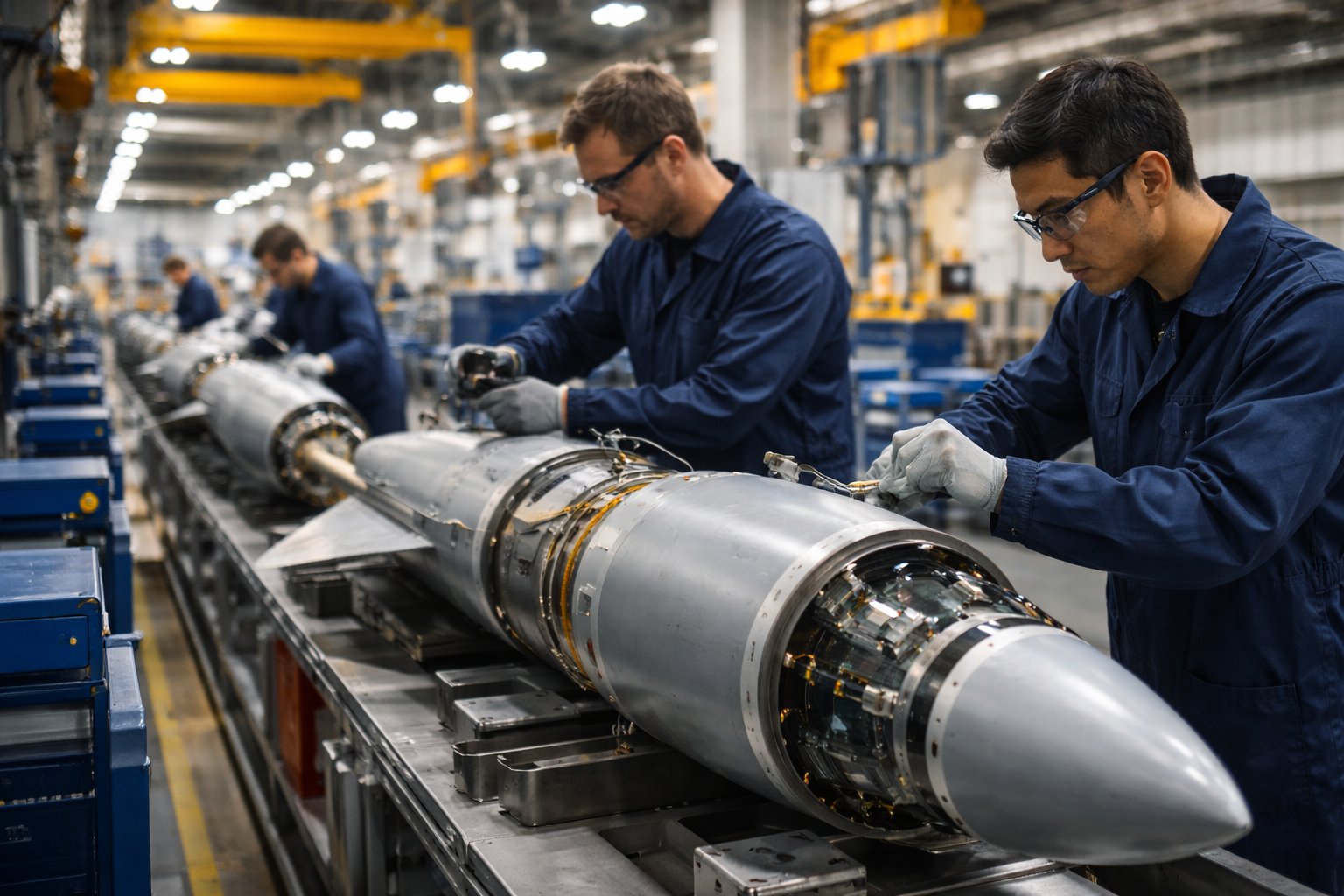
PT Len is undertaking civil construction, infrastructure preparation, systems integration, and elements of component manufacture. Its work includes octopacks used within transmitter-receiver modules, moving the Indonesian company beyond site support and into a more demanding area of radar electronics.
GM403 is a mobile three-dimensional surveillance radar operating in the S-band. It is designed to detect and track targets across high, medium, and low altitude while contributing data to a wider command-and-control network.
Indonesia’s geography makes that network unusually difficult to build and support. Thousands of islands, mountainous terrain, coastal approaches, dense civilian air traffic, and uneven communications infrastructure complicate the creation of a consistent national air picture.
Separate radar sites must correlate and distribute tracks without creating duplication, delay, or conflicting identification. Time synchronisation, common data formats, secure communications, network resilience, and operator training therefore sit alongside detection range as core programme requirements.
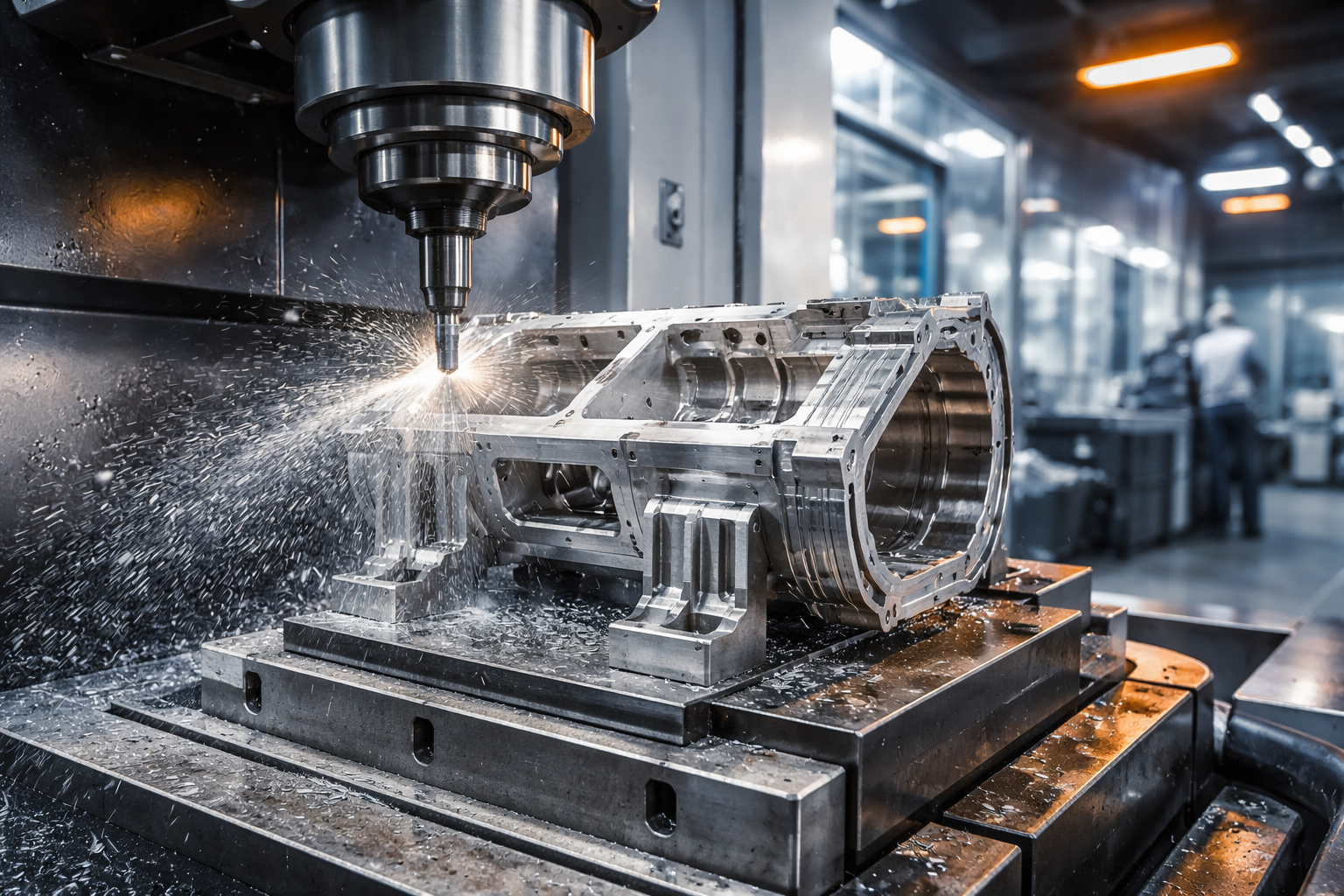
PT Len’s work on transmitter-receiver components introduces tight manufacturing tolerances. Electronically scanned radars use large numbers of controlled elements to create and steer beams, making overall performance dependent on the consistency of the modules within the array.
Radio-frequency components require controlled electronics assembly, effective thermal management, electromagnetic shielding, environmental sealing, and repeatable calibration. Small differences in gain, phase, or noise can affect beam quality, sensitivity, sidelobes, and target accuracy when multiplied across an array.
Testing becomes one of the most valuable parts of localisation. Suppliers need equipment able to measure component and module performance, while technicians require enough diagnostic knowledge to identify whether a fault sits within hardware, software, cabling, cooling, power, or calibration.
Indonesia’s environmental conditions increase the burden. Heat and humidity affect electronics and cooling, salt-laden air accelerates corrosion near coastal sites, and heavy rain places pressure on drainage, seals, radomes, connectors, and power systems.
Remote locations also change maintenance economics. A minor fault becomes expensive when specialist personnel and replacement modules must travel across large distances, particularly if the system depends on overseas engineering support.
The 13-radar fleet will consequently need domestic repair, calibration, spares, and technical documentation. Returning major modules overseas for every significant fault would reduce availability and weaken the sovereign value of the network.
A similar industrial direction can be seen in Indonesia’s plans for a domestic M-346 support and integration base, where simulators, mission systems, spares, and maintenance form a larger share of the programme than aircraft delivery alone.
Radar localisation can provide PT Len with transferable skills across radio-frequency engineering, secure networks, command systems, electronic warfare, and civil surveillance. Those capabilities can support later air-defence, maritime, border, and air-traffic projects.
For Thales, the partnership creates a local route into a market where domestic content and technology transfer carry growing weight. A qualified Indonesian organisation can support future deployments and modifications more efficiently than a wholly imported fleet.
Supplier development will require close control. Introducing locally produced components into a qualified radar chain means matching materials, workmanship, test procedures, and performance data with the established baseline.
Documentation and configuration must remain aligned across every radar. A module repaired or manufactured under a different process can introduce subtle differences that become difficult to diagnose once several software and hardware standards coexist within the fleet.
Installation schedules will add pressure as the remaining systems progress. Civil works, electrical power, communications links, radar manufacture, transport, assembly, acceptance testing, and operator training need to arrive in sequence.
Sensitive electronic equipment delivered before a site is ready may require controlled storage and preservation, while completed foundations and buildings offer little value if radar components or communications links are delayed.
Workforce continuity will shape the programme after delivery. Engineers and technicians need recurring activity to retain specialised radio-frequency, calibration, and integration skills, which can diminish quickly if support is limited to occasional fault repair.
Software will also require continued access. Radar performance evolves through signal processing, target classification, electronic-counter-countermeasures, network interfaces, and threat libraries, making domestic support increasingly dependent on controlled software tools and data.
Cybersecurity forms part of the production and sustainment problem. A distributed air-surveillance network connects sensors, communications infrastructure, command systems, and maintenance equipment, all of which require secure configuration and controlled updates.
The GM403 programme gives Indonesia a route from purchasing surveillance equipment towards participating in its manufacture and support. The depth of that transition will be visible in the work retained after installation crews leave each site.
A fleet of 13 radars provides broader coverage, but the more durable capability lies in the engineers, test equipment, repair processes, and suppliers able to keep the network calibrated and operational. PT Len’s progress from construction into component production places that industrial capacity within reach, provided the programme continues beyond visible assembly work.