
Aerospace
-
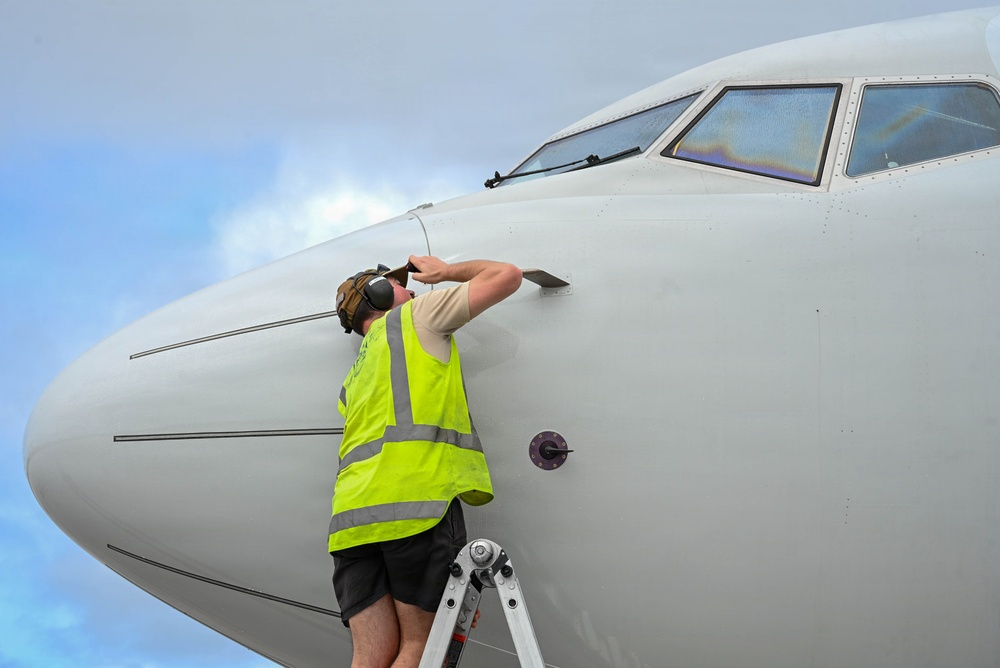
The E-2D Block II upgrade has cleared critical design review. The programme now moves into aircraft retrofit ahead of FY2029 flight testing with new computing, cockpit, open-architecture, and cybersecurity infrastructure.
-
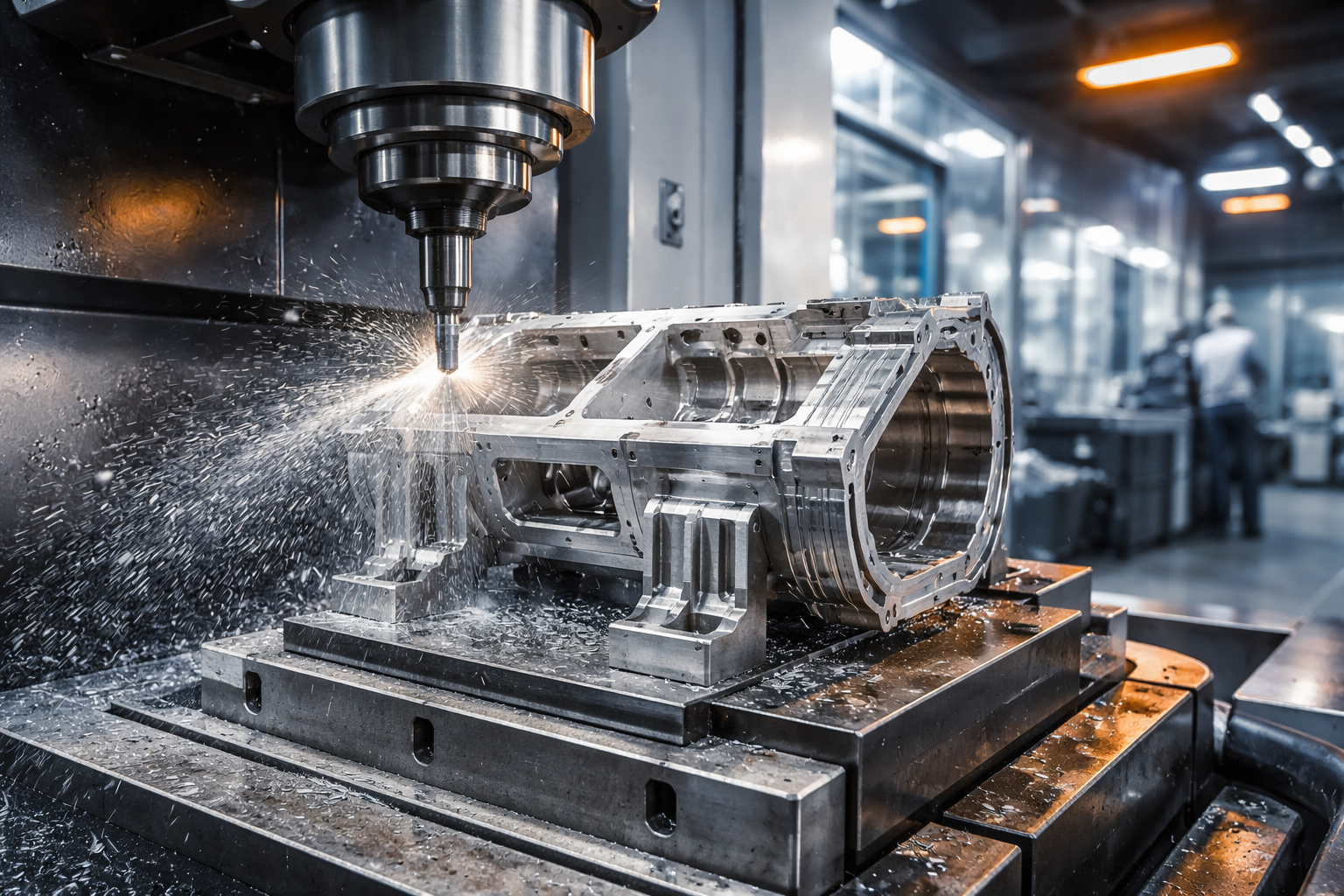
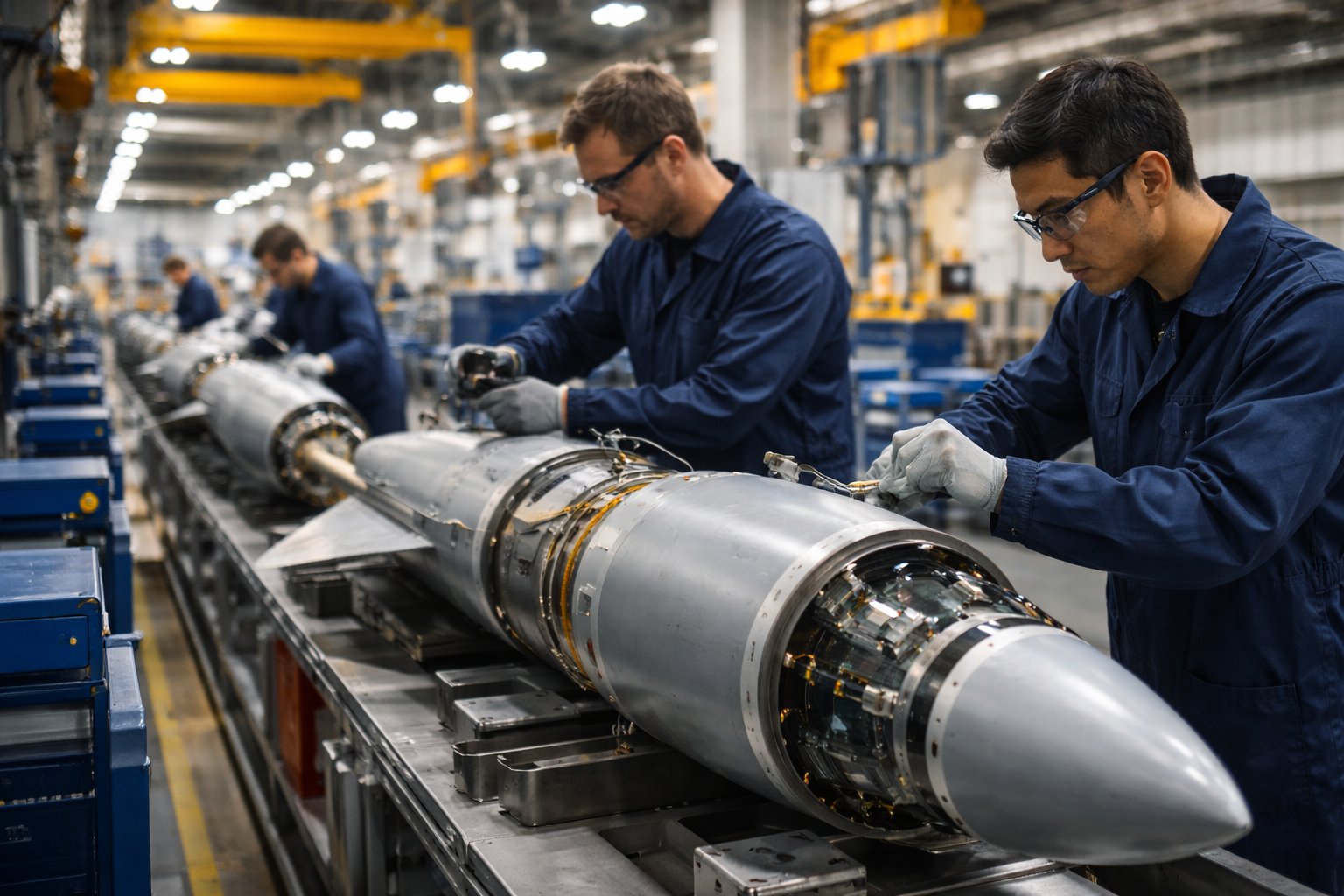
Kratos and GE Aerospace have advanced their GEK800 engine programme. The F143-ZZ-100 has entered US Air Force engineering and manufacturing development as a second-source turbofan for JASSM.
-
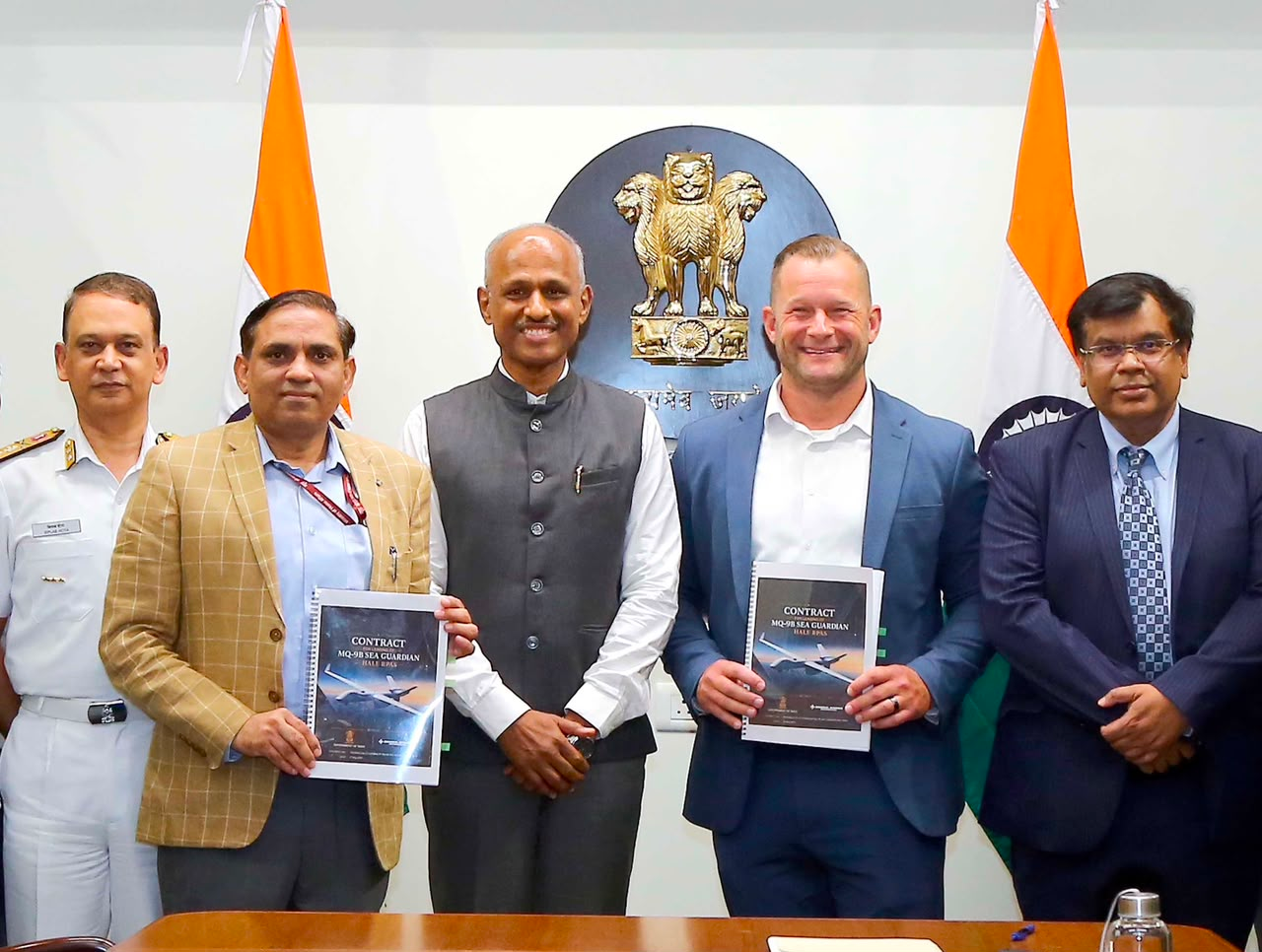
India has signed a 30-month lease for two SeaGuardian aircraft. The ₹1,943 crore agreement adds persistent maritime ISR capacity while India’s larger 31-aircraft MQ-9B procurement progresses.
-
Boeing has secured a major Apache logistics support contract modification. The $636.1m award covers depot repair, component supply, obsolescence management, and wider support through April 2029.
-

The Army is expanding its digital marketplace for unmanned systems. Group 3 aircraft, payloads, software, components, and new procurement tools are joining a channel reporting more than $750m in sales.
-
Airbus will supply up to twelve additional UH-72B Lakota helicopters. The $115.4m award extends a US-built light-utility fleet used for National Guard and Army missions.
-
ANKA III has flown carrying two SÜPER ŞİMŞEK unmanned effectors. The configuration advances integration between Türkiye’s flying-wing combat aircraft and modular air-launched systems for deception, electronic warfare, and strike missions.
-
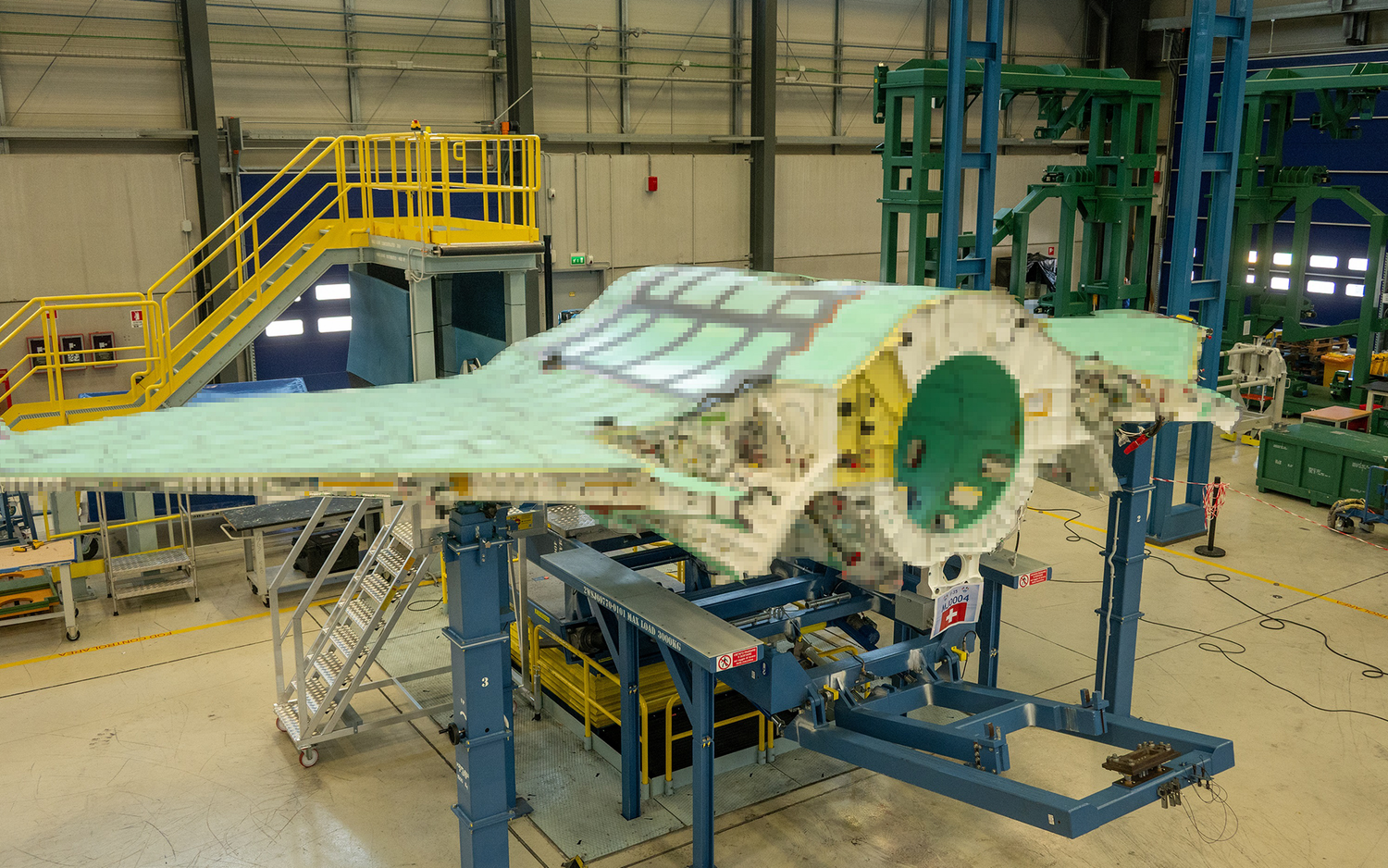
Swiss F-35A production has reached another assembly milestone in Cameri. Components for J-6004 are now progressing through the fighter programme’s distributed European manufacturing network.
-
Rolls-Royce and Reliance plan an indigenous engine partnership for AMCA. The proposal spans Indian design, development, manufacturing, testing, production, and through-life support.
-

Lockheed Martin will manufacture new THAAD launchers for the UAE. The $211.4 million FMS modification runs through January 2031 and lifts the underlying contract above $1 billion.