IN Brief:
- Airbus Helicopters and Quantum Systems will explore C-UAS interceptor integration on military helicopters.
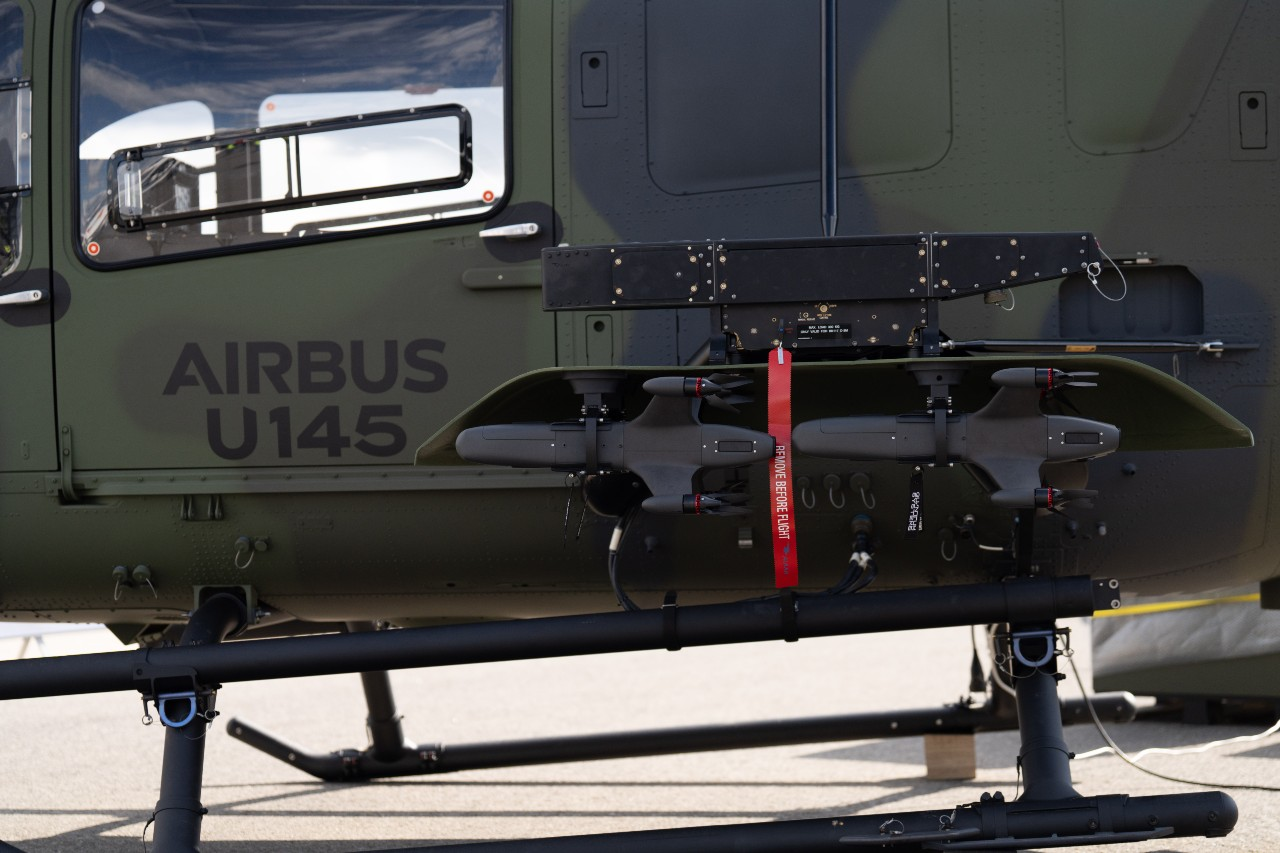
- The work begins with the H145M and is already reflected on the U145 mock-up at ILA Berlin.
- The agreement points toward modular crewed-uncrewed integration as drone threats reshape rotary-wing mission systems.
Airbus Helicopters and Quantum Systems have agreed to explore the integration of counter-UAS interceptors onto Airbus military helicopters, beginning with the H145M.
The cooperation was signed at ILA Berlin 2026 and brings Quantum Systems’ counter-drone interceptor capability into Airbus’ military helicopter architecture. Airbus has also introduced the U145, an uncrewed version of the H145 family, with the ILA static display mock-up already featuring Quantum Systems’ C-UAS solution.
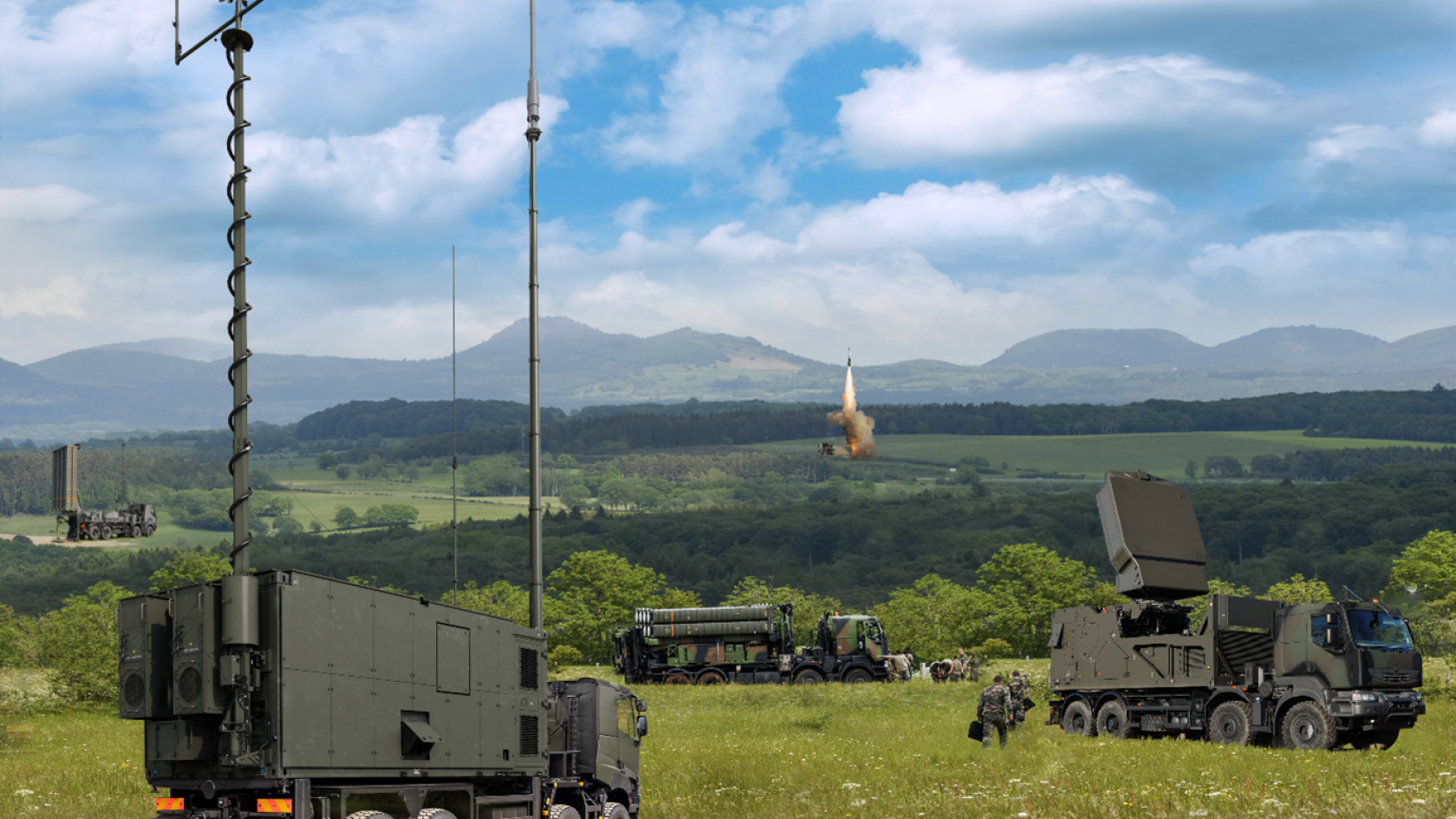
Small drones and loitering systems now threaten troops, vehicles, ships, infrastructure, air bases, and deployed helicopters. Counter-UAS equipment has often been ground-based, using radar, electro-optical sensors, radio-frequency detection, jamming, guns, missiles, lasers, or interceptors. Mounting interceptor capability on helicopters adds a mobile aerial layer that can move with forces, protect temporary sites, and respond across dispersed areas.
The H145M gives Airbus a practical starting point because it already serves as a flexible light multi-role military helicopter. Its open system architecture creates a route to integrate new mission equipment without redesigning the aircraft from first principles. The value of future military rotorcraft is increasingly tied to mission-system upgradeability as much as airframe performance.
Integration will still be demanding. A helicopter-mounted C-UAS interceptor system must combine sensing, target classification, launch safety, external mounting, crew workload management, software interfaces, power supply, datalinks, rules of engagement, and compatibility with existing mission systems. On an uncrewed U145 variant, the architecture must also work within remote or autonomous command structures.
The development builds on Airbus’ wider move to use the H145 family as a basis for uncrewed and modular rotorcraft capability, with counter-drone payloads now joining cargo, sensors, and air-launched effects in the mission-system mix.
The manufacturing work stretches across the supply chain. Counter-UAS interceptors need airframes, propulsion, sensors, processors, guidance, batteries, launch equipment, safety systems, and command software. Helicopter integration adds brackets, wiring, environmental qualification, vibration testing, electromagnetic compatibility, mission-computer interfaces, cockpit displays, maintenance documentation, and airworthiness evidence. The finished product is the qualified installation, not the interceptor alone.
Quantum Systems has grown around unmanned systems and autonomy, while Airbus brings helicopter production, certification, mission-system integration, support infrastructure, and customer relationships. If the work matures, it could create a European route to mobile C-UAS capability that is less dependent on fixed sites or ground vehicles.
Operational use will need careful definition. Helicopters are expensive platforms compared with ground launchers, so aerial counter-drone capability has to justify itself through mobility, responsiveness, and coverage. The most credible route is likely to involve automation, sensor fusion, clear engagement workflows, and integration with wider ground-based C-UAS networks. Crew workload will be a central design constraint, particularly if operators are already managing navigation, communications, threat avoidance, and mission tasks.
The U145 element adds a longer-term production opportunity. An uncrewed helicopter carrying C-UAS interceptors could support higher-risk missions, extend coverage, or act as a drone-defence node without exposing aircrew. That would require robust autonomy, secure control links, deconfliction, and certification, but it aligns with the direction of European rotorcraft development.
The Airbus–Quantum Systems agreement places rotary-wing platforms inside the fast-growing counter-drone market. Helicopters are becoming modular carriers for sensors, autonomy, effectors, and software-defined missions, while mass drone threats are pushing air defence into mobile, networked, and rapidly upgradeable forms.