IN Brief:
- BAE Systems will manufacture AN/ASQ-239 electronic warfare systems for F-35 Lots 20 through 22.
- The award also covers systems for retrofit and modernisation of older F-35 aircraft.
- More than 1,500 F-35 electronic warfare systems have already been delivered from BAE Systems facilities in Texas and New Hampshire.
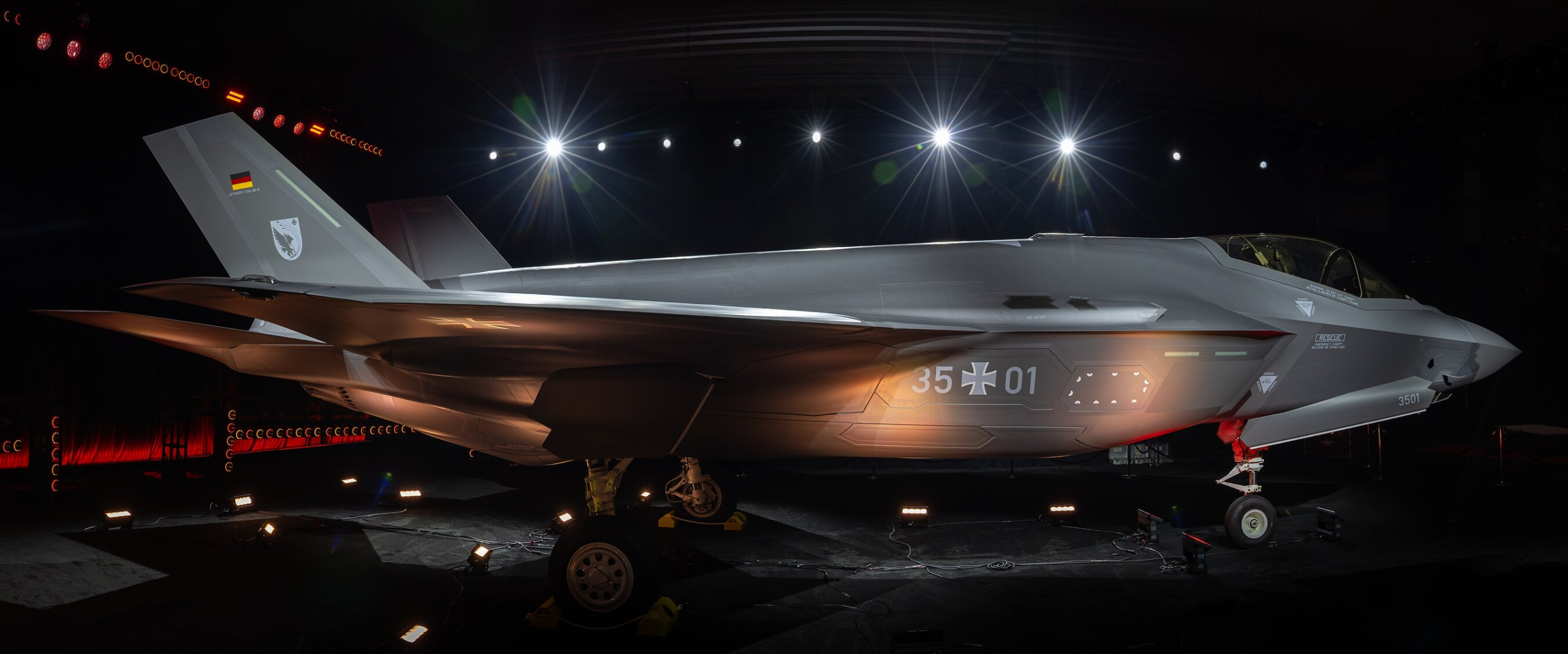
BAE Systems has received a Lockheed Martin contract to manufacture AN/ASQ-239 electronic warfare systems for F-35 production Lots 20 through 22 and supply additional systems for retrofit and modernisation of older aircraft.
BAE Systems has delivered more than 1,500 F-35 electronic warfare systems and produces the equipment at facilities in Austin, Texas, and Manchester, Merrimack and Nashua in New Hampshire. The new award extends that production base across another three aircraft lots while adding a separate retrofit workload.
AN/ASQ-239 is integrated into the F-35 rather than carried as an external pod. Receivers, processors and associated electronics work with the aircraft’s mission systems to detect electromagnetic activity, analyse potential threats and provide offensive and defensive electronic warfare functions.
Passive sensing allows the aircraft to collect information from external emitters without relying on its own radar transmission for every detection. BAE Systems also identifies high speed signal processing and software based updates as important parts of the system, allowing threat processing to change without replacing the complete installed suite for every new software capability.
New build production and retrofit create different manufacturing flows. Equipment for a current aircraft lot can be incorporated into the planned assembly sequence, while retrofit hardware has to match aircraft that were built under earlier physical and software configurations.
An older aircraft may therefore need installation instructions, interface changes or supporting hardware that are unnecessary on a new build jet. Engineering records have to identify the receiving aircraft configuration before modification so the correct equipment and software are fitted together.
Electronic warfare hardware also depends on calibration and functional test after assembly. Circuit boards and modules can be physically complete while still failing radio frequency or processing requirements, so manufacturing rate is constrained by test equipment and engineering support as well as by assembly stations.
BAE Systems is using automation and facility investment to increase production. Automated processes can improve repeatability in suitable assembly and inspection stages, but the company still has to maintain traceability across components, software and completed systems as throughput rises.
Supplier performance becomes more important at higher rates because specialised electronics cannot always be replaced quickly by an alternative component. A shortage in one qualified part can interrupt delivery of a complete AN/ASQ-239 system even when most of the remaining hardware is available.
The retrofit requirement adds demand outside the production line supplying Lockheed Martin. Systems intended for older aircraft have to move through modification or depot activity while BAE Systems continues to support the new build lots, increasing the number of configurations being manufactured and sustained at the same time.
Software provides some flexibility within that structure because threat data and processing functions can change without a complete redesign of the hardware. Physical upgrades remain necessary when sensing, processing or interface requirements exceed the capability of the installed equipment, which is why retrofit hardware appears alongside new production in the contract.
BAE Systems has not disclosed the value of the Lots 20 through 22 award or the number of systems covered. The contract therefore establishes the production lots and modernisation scope without providing a public annual quantity from which a new manufacturing rate can be calculated.
More than 1,500 delivered systems give the company an established production base rather than a new line being created for the award. Scaling that operation depends on whether assembly, specialist component supply, test capacity and retrofit work can all increase without one stage becoming the rate limiting process.
Deliveries into Lots 20 through 22 and the availability of retrofit systems for earlier aircraft will provide the direct measures of execution. Both streams use the same electronic warfare family, but each has to reach the correct aircraft configuration with traceable hardware and software before it can enter service.