IN Brief:
- The UK has allocated £25m for additional Army drones, electronic warfare equipment, camouflage, and light vehicles.
- The equipment includes hundreds of attack and FPV drones and is intended to double the available ISR drone fleet for relevant forces.
- The package forms part of Project RAPSTONE, with 4th Light Brigade expected to receive the new capabilities by April 2027.
The UK’s Ministry of Defence has committed £25 million to additional drones, electronic warfare equipment, camouflage, and light utility vehicles for Army units protecting NATO’s eastern flank in Estonia. The package, confirmed on 17 November, includes hundreds of one-way attack and first-person-view drones and a planned doubling of intelligence, surveillance, and reconnaissance drone availability for the relevant force. The ministry expects 4th Light Brigade to be equipped with the new capabilities by April 2027, giving the procurement a defined delivery objective rather than an open-ended technology trial.
The funding comes from the Defence Investment Plan and represents part of a £50 million allocation to the Army’s Project RAPSTONE rapid capability programme. It is intended to accelerate the introduction of equipment associated with reconnaissance, precision attack, and protection against uncrewed threats. The ministry has not identified individual suppliers, contract values for each equipment type, or the exact drone models to be delivered under this new £25 million commitment. It is therefore a programme allocation and procurement development rather than a disclosed list of signed supplier awards.
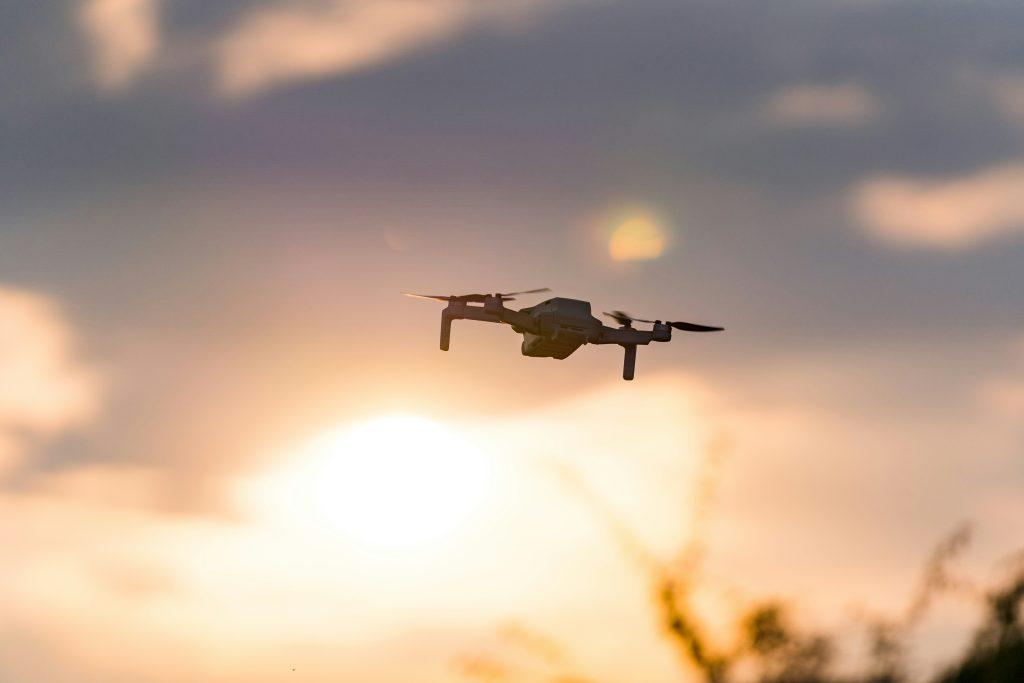
The drone allocation spans reconnaissance and attack missions with different platform requirements. One-way attack aircraft carry their payload to a target and are generally expended, while first-person-view drones provide an onboard camera feed to the operator. Surveillance systems need sensors, endurance, and reliable connections to send information to commanders. The Ministry of Defence expects the additional platforms to expand surveillance and response capacity, but has not identified the specific airframes or published their payloads, ranges, or endurance figures.
Reconnaissance equipment needs to feed usable information into command and targeting processes. An increase in drone numbers will put additional demands on operators, communications links, software, and the ability to distinguish relevant tracks from repeated or misleading observations. Project RAPSTONE is intended to move capabilities into service quickly, and the November procurement brings more sensors and effectors into that process. The Ministry of Defence has not detailed a newly qualified command architecture or published system-level performance results for the equipment package.
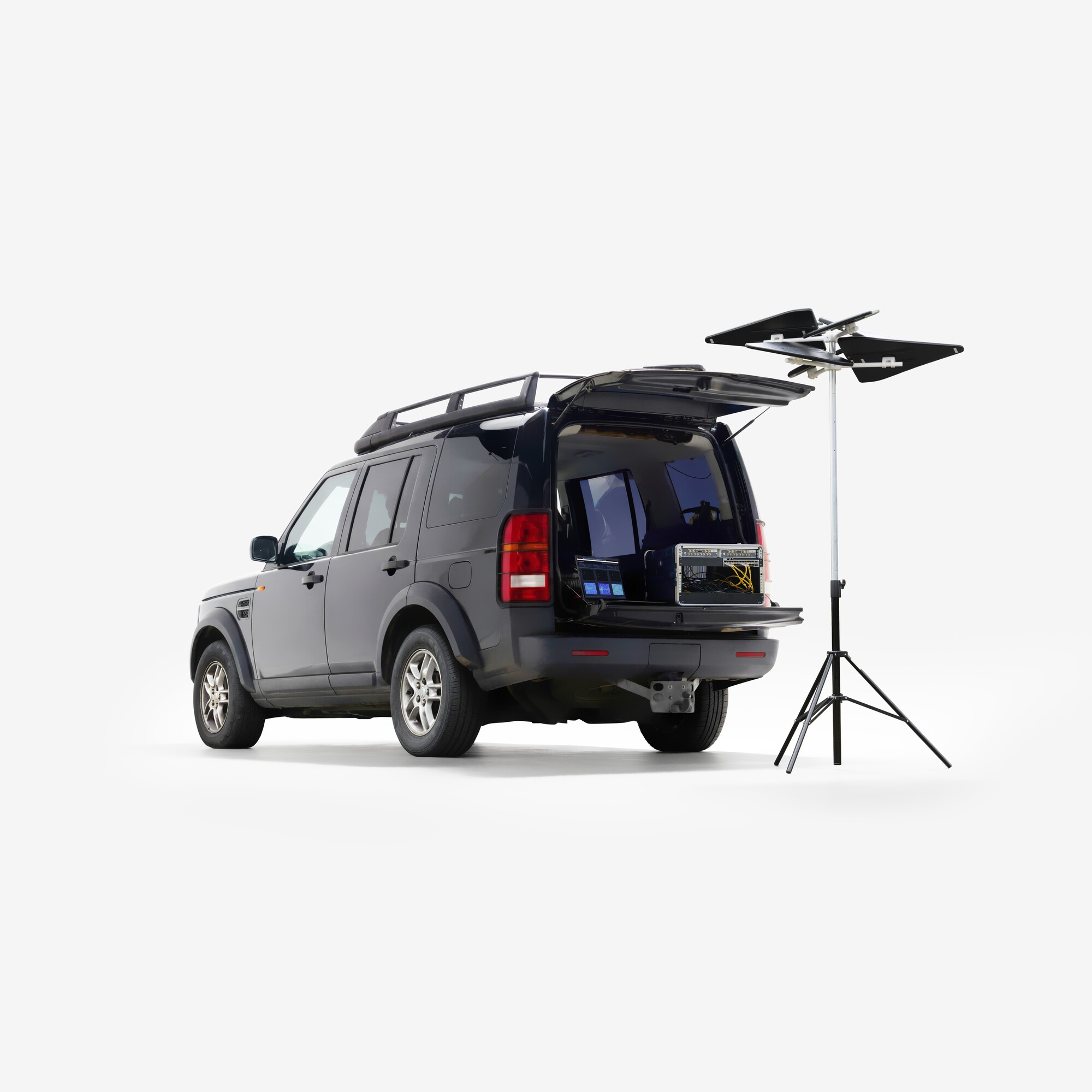
Body-worn electronic warfare devices and vehicle-mounted sensors will strengthen the brigade’s ability to detect and respond to uncrewed aircraft. The vehicle equipment is intended to scan for electronic emissions, while portable systems can be used to interfere with some control or navigation links. Their effectiveness will vary with frequency coverage, the target’s autonomy and communications design, antenna placement, and terrain. The ministry has not disclosed the technical specification, operators’ deployment arrangements, or supplier names for these systems.
Additional shotguns form a close-range part of the counter-drone equipment mix. The different protective measures address threats that cannot all be detected or disrupted in the same way: radio-frequency countermeasures depend on accessible links, while physical defences operate under different range and line-of-sight constraints. The investment combines those layers with surveillance and wider force protection, while remaining separate from larger integrated air defence procurement.
Multi-spectral camouflage will be supplied to reduce the detectability of personnel across surveillance channels that include thermal sensors. Conventional visual concealment addresses only part of a detection problem when opposing systems can observe heat and other signatures. Camouflage effectiveness is sensitive to the way material is used, the background, temperature, movement, and the type of sensor involved. No performance threshold or specific material supplier has been disclosed for the new purchase. The equipment should consequently be described as intended to reduce detectability, not make personnel invisible.
Lightweight 4×4 utility vehicles will support movement of dispersed units and their equipment. Mobility in this role involves carrying personnel, batteries, electronic systems, fuel, and supplies while preserving access across suitable terrain. The ministry has not identified a selected vehicle platform or the numbers covered by the purchase. Combined with camouflage, electronic equipment, and drones, the vehicle element makes this a multi-category Army capability package rather than a single equipment contract.
Previous Army drone procurement provides a separate point of comparison. A £16 million arrangement announced earlier in 2026 covered more than 1,025 small drones supplied by three UK-based businesses, with deliveries nearing completion at the time. That order is distinct from the 17 November funding, and its quantities should not be added to the newly described package as though they were the same purchase. The current commitment covers several equipment types assigned to units in Estonia, with an April 2027 delivery objective.
Delivering the equipment to 4th Light Brigade by April 2027 will require procurement, training, spares, and in-service support to progress together. Uncrewed aircraft need batteries, replacements, repairs, and software maintenance; electronic warfare devices also require configuration control and electromagnetic compatibility assessment. The detailed supplier allocation and acceptance milestones remain unpublished, leaving the £25 million envelope, equipment categories, and planned delivery date as the confirmed procurement commitments.