IN Brief:
- Boeing’s St Louis defence campus will build the US Air Force’s F-47 sixth-generation fighter.
- The aircraft is the crewed core of the Next Generation Air Dominance family of systems.
- The programme will test Boeing’s defence workforce, classified engineering base, advanced manufacturing, and long-term production capacity.
Boeing’s St Louis defence campus has been selected as the production centre for the US Air Force’s F-47 sixth-generation fighter, giving the region one of the most consequential combat-air manufacturing roles of the next decade.
The F-47 is the crewed aircraft at the centre of the Next Generation Air Dominance family of systems. Much of the programme remains classified, but the broad requirement is already visible: advanced stealth, range, sensor fusion, networking, weapons carriage, survivability, and operation alongside uncrewed collaborative aircraft in highly contested environments.
St Louis is not starting from a blank sheet. Boeing’s campus already supports programmes including F-15, F/A-18, T-7A, MQ-25, precision weapons, and advanced proprietary work. The F-47, however, places the site at the centre of US sixth-generation airpower and gives Boeing a high-profile combat-air programme around which to reshape parts of its defence production base.
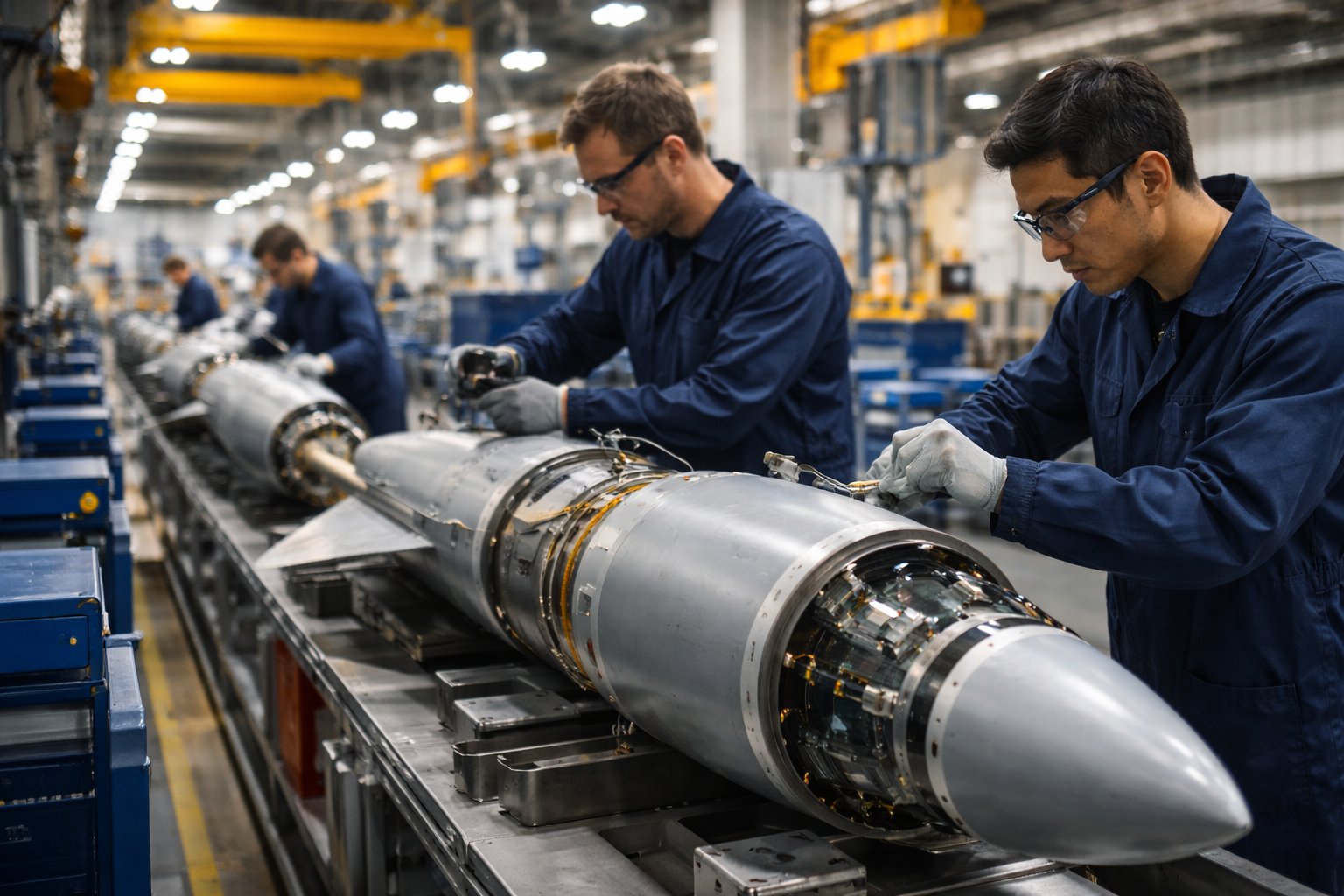
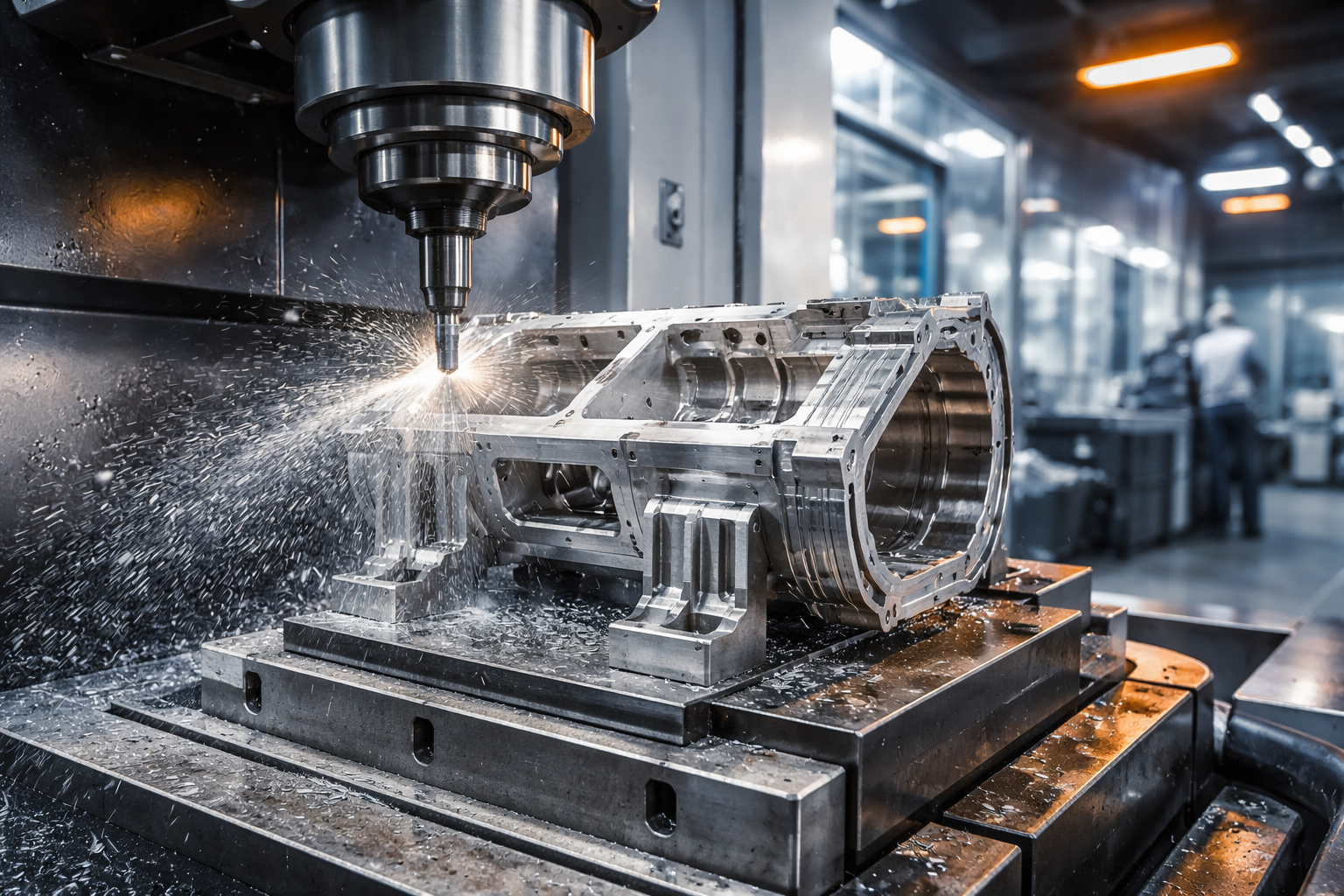
The manufacturing task will be severe. Sixth-generation aircraft production is likely to demand advanced low-observable manufacturing, controlled materials, integrated sensors, embedded antennas, digital engineering, secure software development, propulsion integration, thermal management, and classified test infrastructure. The aircraft’s final shape may remain hidden, but the production pressures are familiar: skilled labour, stable requirements, supplier quality, tooling, configuration control, cyber-secure engineering environments, and cost discipline.
St Louis will have to manage development and early production in close succession. That overlap is common in high-priority defence programmes, although it increases the risk of retrofit, rework, and configuration churn when designs mature while manufacturing preparation is already under way. Digital engineering can reduce some of that friction if the design, manufacturing, test, and support environments remain genuinely connected.
Workforce depth will be one of the most visible constraints. The programme will require expertise in stealth manufacturing, systems engineering, flight sciences, mission systems, software, structures, testing, security-cleared production, advanced assembly, and low-observable quality control. Recruiting and retaining that workforce will shape the pace of industrial ramp-up as much as factory space or political support.
The F-47 also enters a crowded US defence-industrial environment. The Air Force is developing the B-21 Raider, Collaborative Combat Aircraft, new munitions, advanced sensors, electronic warfare systems, and command-and-control networks. Engines, mission systems, data links, secure processors, weapons interfaces, and autonomy tools will be in demand across several priority programmes at once.
Supplier capacity may become one of the quieter risks. A classified sixth-generation fighter will have priority, but priority does not automatically create skilled engineers, electronics production capacity, clean-room facilities, qualified materials, or security-cleared specialist suppliers. Defence companies are already being asked to expand missile production, air-defence output, radar programmes, space systems, and munitions stocks, all while managing labour shortages and long qualification cycles.
The support model will need to be built early. Fifth-generation aircraft have shown how quickly sustainment becomes the limiting factor when spares, software updates, low-observable repair, diagnostics, depot capacity, and engine support lag behind fleet growth. The F-47 is likely to be even more software-defined and network-dependent. Supportability, secure updates, maintenance access, and repair pathways cannot be left to a later phase without risking availability problems.
The programme will also be judged against the cost and fleet-size pressures that follow advanced combat aircraft. A sixth-generation fighter will be expensive, but the industrial question is whether enough aircraft can be produced and supported to create operational mass. A small fleet of exquisite aircraft may carry strategic value, though it risks becoming thin if readiness, support cost, or production rate cannot keep pace with operational demand.
For the St Louis region, the programme could anchor suppliers, training routes, university partnerships, and long-term workforce investment. It may also force hard choices inside Boeing’s production footprint, as legacy work competes with future classified programmes for labour, floor space, engineering leadership, and capital. A factory can expand, but specialist production culture takes longer to build.
The F-47 will test whether advanced crewed aircraft production can be accelerated in an era of stealth, software, autonomy, and classification. It will require traditional aerospace discipline and newer digital manufacturing methods to work together under security constraints. That combination is now becoming the defining condition of high-end combat-air production.
The aircraft itself may remain largely unseen for some time. The industrial ramp beneath it will be easier to track: hiring, supplier awards, tooling decisions, test infrastructure, classified facilities, and the long process of turning an advanced design into a repeatable production system. Sixth-generation airpower will be judged in flight, but it will be built first on the factory floor.