IN Brief:
- Indonesia will no longer pursue domestic manufacturing of the KF-21 Boramae fighter.
- The decision reduces the industrial-transfer element of Korea and Indonesia’s fighter partnership.
- Jakarta is expected to focus on aircraft acquisition, sustainment, and direct fleet capability.
Indonesia’s withdrawal from domestic KF-21 Boramae fighter production has turned a long-running aerospace partnership into a more conventional procurement question, reducing the industrial-transfer ambition that once underpinned Jakarta’s participation in Korea’s next-generation combat aircraft programme.
The decision does not end Indonesia’s relationship with the Korea Aerospace Industries fighter, but it changes the value proposition. Rather than developing a local manufacturing pathway tied to the aircraft’s production phase, Jakarta is now expected to concentrate on acquisition, sustainment, fleet integration, and the wider question of how the KF-21 fits beside other combat-air purchases.
For Indonesia, the original attraction of the KF-21 was never limited to aircraft numbers. Participation offered a potential route into advanced airframe work, experience around fighter development, and a domestic industrial foothold outside the usual US, European, Russian, or Chinese supply channels. That kind of access is rare, particularly in a market where sensitive mission systems, electronic warfare functions, radar technology, and weapons integration are tightly controlled.
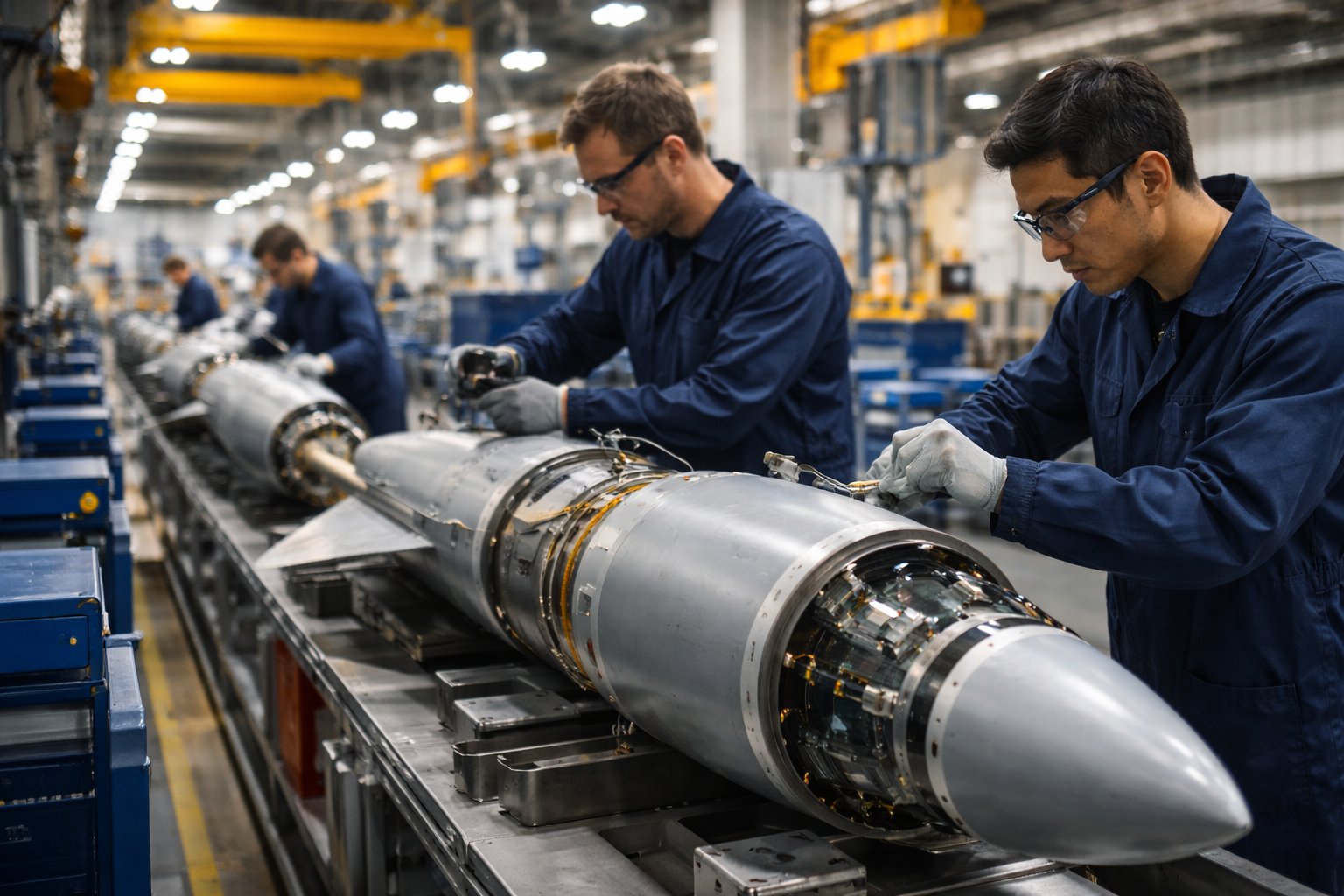
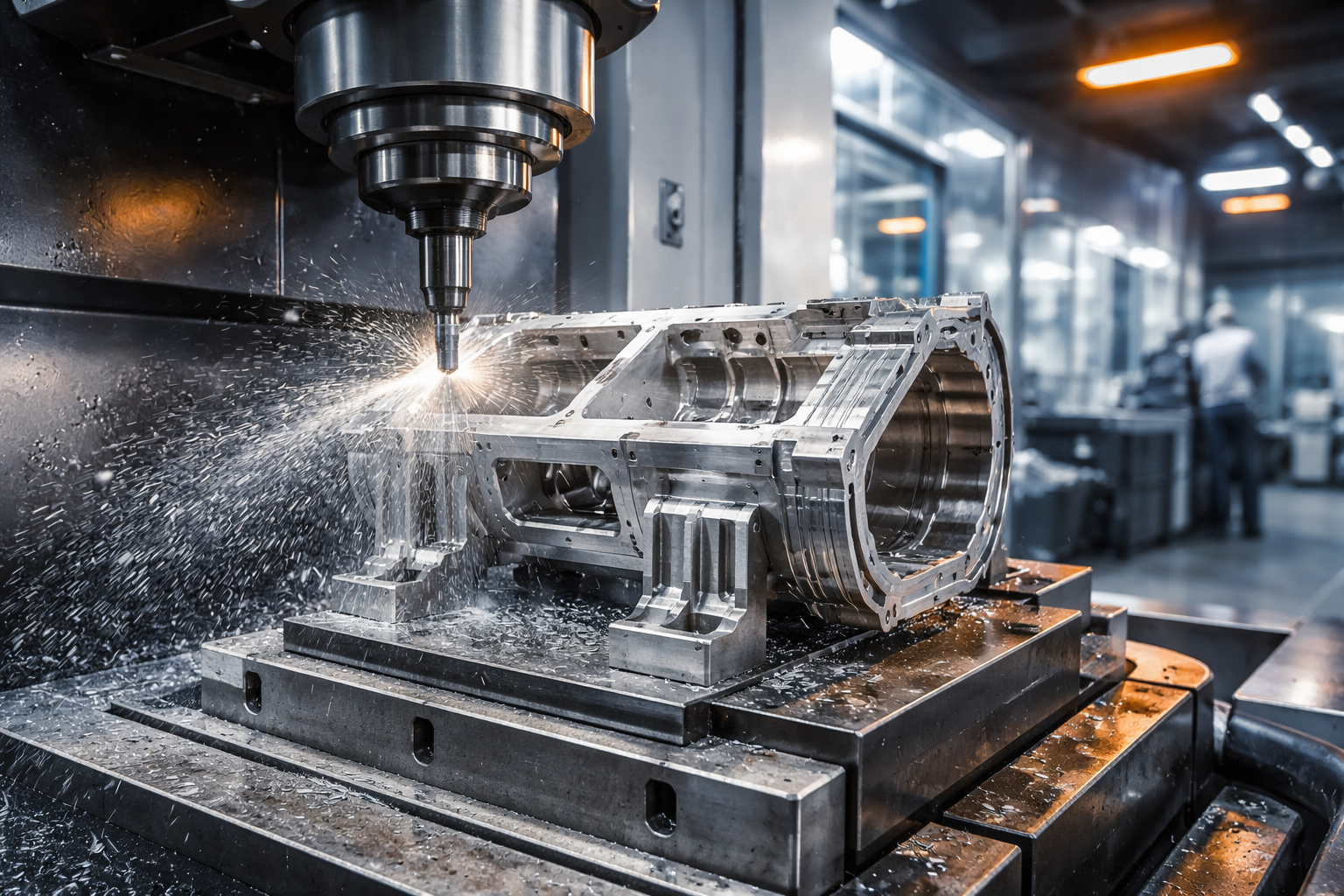
Although the programme has continued to mature in Korea, Indonesia’s industrial role has been under pressure for years. Funding disputes, shifting procurement priorities, and limits around technology release have steadily narrowed the practical scope of the partnership. Local production would have required tooling, certification discipline, secure data handling, workforce continuity, supplier qualification, and a long-term order profile strong enough to justify the factory investment.
Those demands are familiar across defence aerospace. Licensed assembly can offer valuable workshare, but it does not automatically produce a fighter manufacturing base. A partner nation may take on structural components, harnesses, ground-support equipment, maintenance activity, or final assembly, while the most sensitive parts of the aircraft remain under the control of the prime contractor and its technology partners. The gap between political ambition and industrial transfer can widen quickly once a programme moves from development into repeatable production.
Korea’s fighter line is already entering a more demanding phase, with certification progress and early delivery preparation putting greater emphasis on stable suppliers, configuration discipline, and production quality. As the KF-21 moves closer to regular manufacturing output, any uncertainty around an overseas production arrangement becomes harder to absorb. Early production aircraft often require design refinements, supplier corrections, test feedback, and software updates, all of which are easier to manage through a tightly controlled manufacturing system.
Jakarta’s decision may therefore simplify its own acquisition planning. Indonesia has already committed to Dassault Rafale aircraft, while other fighter options have remained part of its broader force-structure debate. A direct purchase model avoids the fixed costs and schedule risk associated with setting up domestic fighter production for a fleet size that remains exposed to political, fiscal, and strategic change.
The industrial question now shifts from fighter manufacturing to sustainment depth. Indonesia can still build aerospace capability through maintenance, depot support, avionics work, composite repair, simulation, ground equipment, weapons storage, and training infrastructure. Those areas can generate skilled employment and technical knowledge without requiring the full capital burden of combat-aircraft production tooling.
That route is less politically dramatic than co-production, but it may offer a more durable pathway if backed by volume and long-term funding. Fighter sustainment is a high-value industrial activity in its own right, particularly as aircraft become more software-intensive and harder to maintain without authorised facilities, validated processes, and secure data access. Countries unable to sustain advanced aircraft locally can find readiness constrained by overseas repair queues and supply-chain disruption.
For Korea Aerospace Industries, Indonesia’s step back removes one possible international production pathway while leaving the KF-21’s export campaign intact. The aircraft still has to prove supportability, weapons integration, cost control, and production reliability if it is to appeal beyond Korea’s domestic requirement. Export customers will watch whether the programme can deliver aircraft at rate and maintain a credible upgrade roadmap.
The decision also illustrates the limits of co-development as an export tool. Defence manufacturers increasingly offer industrial participation to secure platform deals, but development-era promises face harder tests once production rates, security controls, and cost discipline begin to dominate. A production partner has to bring not only political support, but capital, technical readiness, and a stable requirement.
Indonesia’s KF-21 rethink leaves a familiar trade-off. Buying aircraft delivers capability faster, while building them demands a stronger industrial case than prestige alone can provide. The Boramae programme still has momentum in Korea; as an Indonesian manufacturing project, its runway has shortened sharply.