IN Brief:
- FAM Group has launched as an investment and oversight group for three South West engineering businesses.
- The group brings TML Manufacturing, Surface Coating, and Precision Engineering under shared strategic leadership.
- The model targets defence and aerospace programmes needing fabrication, precision machining, and NADCAP-accredited finishing from a UK supply base.
FAM Group has launched in the South West, bringing three specialist engineering businesses under shared strategic oversight for defence, aerospace, naval, oil and gas, automotive, and electronics customers.
The group comprises TML Manufacturing, Surface Coating, and Precision Engineering. FAM Group will not operate the businesses directly. Its role is to invest in them, support strategic development, align quality and compliance standards, and allow them to collaborate more effectively on complex programmes.
The combined offer gives defence and aerospace customers access to fabrication, CNC machining, laser cutting, welding, finishing, and NADCAP-accredited surface treatment through a more coordinated UK supply route. For primes and tier suppliers, that reduces some of the coordination burden that comes from managing multiple small specialist suppliers across a single programme.
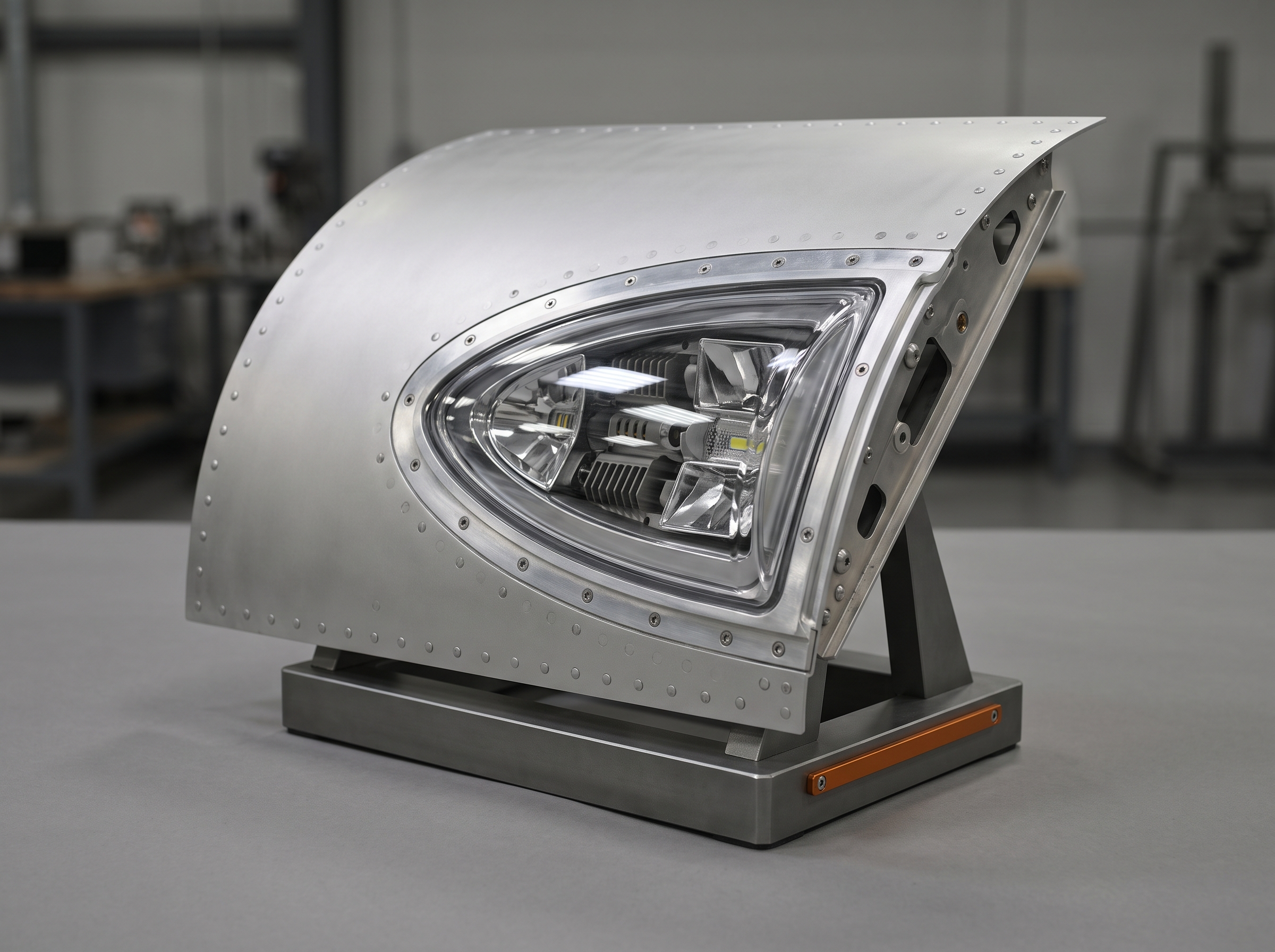
TML Manufacturing brings coded welding, CNC machining, laser cutting up to 35mm thick, fabrication, and integrated finishing capability. Its output includes large structures, conveyor systems, platforms, gantries, consoles, and cabinets, supporting work from fabrication through to final finish.
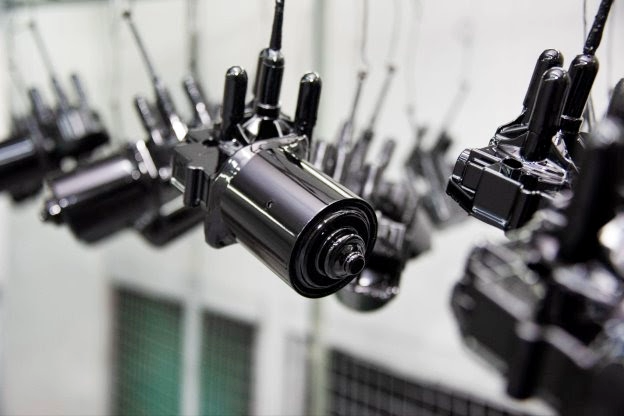
Surface Coating adds a NADCAP-certified surface finishing facility in Dorset, specialising in wet painting, spraying, powder coating, and blasting. In aerospace and defence, finishing is not cosmetic. It affects corrosion resistance, environmental performance, durability, and compliance with customer specifications. A regionally accessible finishing partner can reduce logistics, audit burden, and schedule risk.
Precision Engineering provides machining across conventional and advanced technologies, from prototype development through to higher-volume production. That gives the group a route from early engineering work into repeatable output, which is often where smaller suppliers face the steepest transition.
The accreditation mix includes JOSCAR registration, Cyber Essentials Plus, NADCAP, ITAR compliance, BS EN 1090, Made in Britain, and ADS membership. Those credentials reduce some supplier-onboarding friction for programme managers working in markets where traceability, cyber assurance, export control, welding standards, and customer audits can slow procurement.
The launch fits a wider UK and international pattern. Defence production is moving deeper into the industrial mainstream, and capacity is now being built through certified machining, specialist coatings, secure digital systems, skilled labour, inspection equipment, and supply-chain governance. Comparable aerospace supply-chain moves, including qualified UK machining acquisitions, show how buyers are placing value on approved routes into demanding production environments.
FAM Group’s structure addresses a coordination problem rather than simply adding another brand. Aerospace and defence customers rarely need only one process. A part may need machining, fabrication, welding, finishing, inspection, documentation, and delivery against strict configuration control. When those steps sit across separate suppliers, each handover adds cost, risk, and administrative load.
Shared oversight can make collaboration easier, provided the individual businesses retain their specialist strengths. The customer still needs qualification, inspection evidence, and process control, but the group structure gives a clearer route for combined bids and end-to-end delivery.
Regional proximity also helps. The South West has deep roots in aerospace and advanced manufacturing, and shorter supply chains can improve turnaround, audit practicality, and problem resolution. When parts need urgent rework, inspection, or finishing, distance can become a programme constraint.
The workforce element deserves equal attention. Defence and aerospace suppliers face shortages in welding, machining, coating, inspection, and quality management. FAM Group’s plans for new roles and apprenticeships could strengthen a skills base that is increasingly difficult to rebuild once lost.
The group’s growth plan includes adding further businesses where they strengthen the offer. That acquisition-led route could give smaller specialist manufacturers access to investment, governance, and customer opportunities while preserving capability that might otherwise remain under-scaled.
FAM Group’s launch is therefore a supply-chain development with practical industrial weight. If the model delivers, defence and aerospace customers gain a more coherent UK route across fabrication, machining, and finishing, while the South West retains specialist production capability inside a structure built for larger and more demanding programmes.