IN Brief:
- India’s Defence Acquisition Council granted Acceptance of Necessity for proposals estimated at ₹2.12 lakh crore on 26 October 2026.
- Army proposals span tracked artillery, counter-drone systems, helicopters, surveillance equipment and unmanned strike platforms.
- The Ministry of Defence expects approximately 82 per cent of the proposed procurement to come from Indian industry.
India’s Ministry of Defence has approved the next procurement steps for proposed military equipment worth approximately ₹2.12 lakh crore (₹2.12 trillion), covering the Army, Navy and Air Force. The Defence Acquisition Council, chaired by Defence Minister Rajnath Singh, granted Acceptance of Necessity on 26 October 2026 for requirements spanning artillery, tactical vehicles, helicopters, naval equipment and uncrewed systems.
Acceptance of Necessity is an administrative decision to advance a proposed acquisition through India’s defence procurement process. It is not an equipment order or proof that the full estimated value has been committed. Suppliers, final specifications, quantities, contract prices and delivery dates remain subject to subsequent procurement stages, and the ministry did not provide a breakdown of the estimated expenditure for individual systems.
Approximately 82 per cent of the proposed procurements are intended to be sourced from Indian industry. That is a domestic sourcing objective attached to the approvals, not a contracted manufacturing workload or an identified distribution of orders between companies. The eventual share, value and timing of work for suppliers will depend on the procurement route, commercial terms and technical decisions for each requirement.
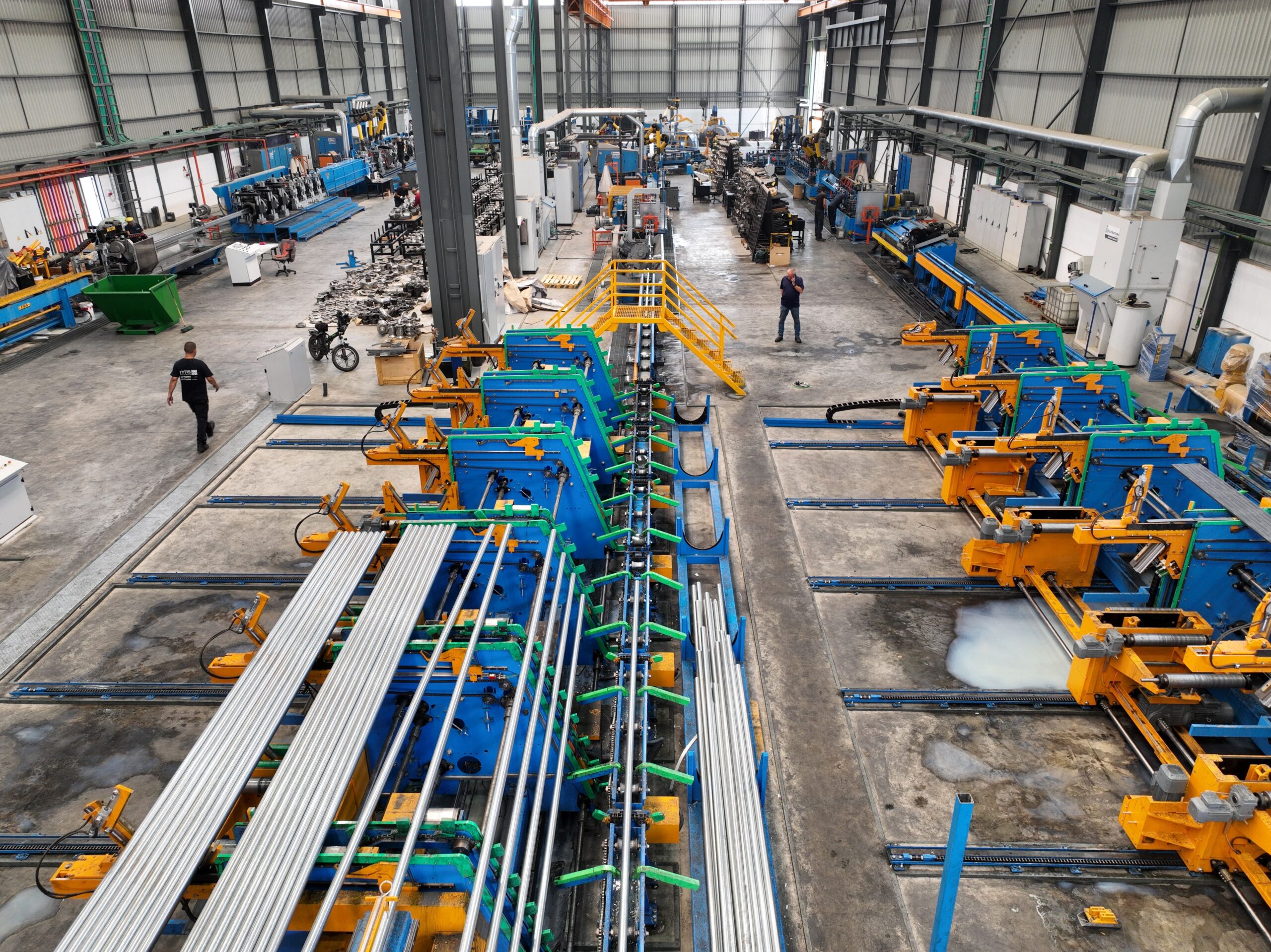
High mobility vehicles and self-propelled tracked gun systems feature among the Army requirements. The vehicles are intended to support mobility and logistics in difficult terrain, while tracked artillery combines a gun and its supporting equipment with a powered chassis able to accompany mechanised formations. Production and qualification encompass the vehicle structure, running gear, weapon installation, power systems, communications and their integration as a functioning platform.
A separate Gun Shot Response System is intended to improve situational awareness. Such systems detect or assess hostile firing events and provide information to nearby personnel or command systems. The ministry has not identified the selected configuration or its measurement approach, so no performance figure, sensor type or supplier can yet be attributed to this proposal.
Light Multi Role Helicopters appear in the Army approvals and are intended for use by both the Army and Air Force on reconnaissance, surveillance, combat, search and rescue, and humanitarian missions. The Air Force’s separate approval for Special Utility Helicopters concerns air transport requirements. These are different stated capability requirements; the council did not identify aircraft models, selected manufacturers, unit numbers or a schedule for either procurement.
The Army’s proposed Very Short-Range Air Defence System would address small aerial threats, while a platform-based counter-UAS system is intended to improve tank protection. One is a wider air defence requirement and the other is defined around a vehicle platform. The associated detection, cueing, firing and integration arrangements will depend on the specifications eventually tendered; neither a selected design nor performance figures have been published.
The Army approvals also identify Unmanned Aerial System Brick Long Range, surveillance UAVs, an Integrated Surveillance and Strike System, and a Long Range Kamikaze Drone System. They describe capability requirements, not awarded purchases of named aircraft. The government has not disclosed aircraft quantities, endurance, payload masses, operational ranges or the industrial allocation for these prospective programmes.
Uncrewed aircraft programmes depend on considerably more than an air vehicle. A complete fielded system needs communications links, navigation, ground control equipment, maintainable propulsion and, where required, sensor or mission payload integration. Surveillance data must be available in a form that authorised operators can use, while any strike function introduces additional requirements for testing, safety and configuration control.
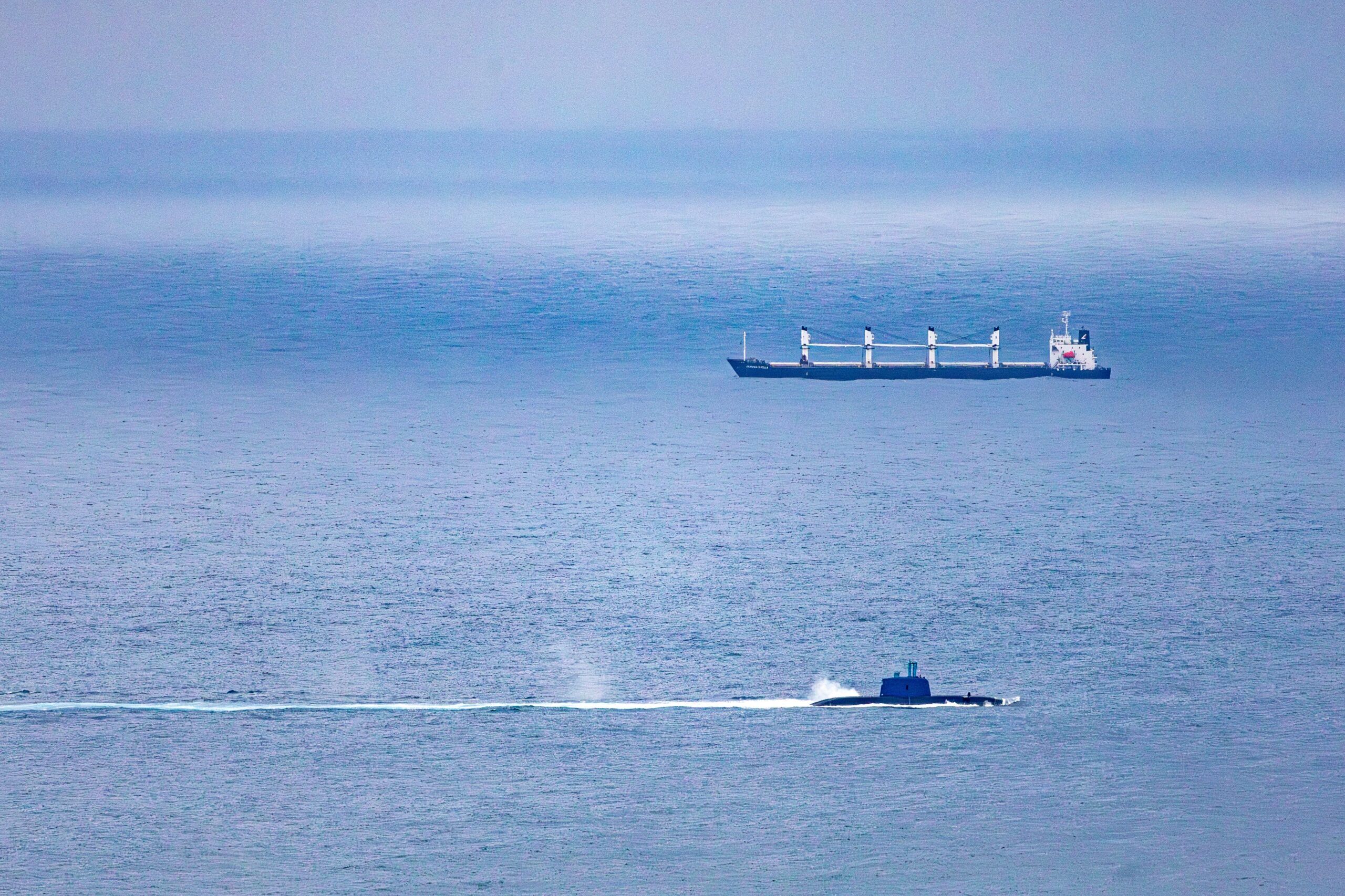
The Navy’s approvals include an Active Offboard Decoy System intended to protect ships against anti-ship missiles, alongside additional major naval platforms. Offboard decoys seek to divert or confuse an incoming threat by deploying a defensive effect away from the ship; the detailed operation depends on the decoy and missile seeker involved. The selected technology, launch equipment, ship classes and quantities were not specified in the decision.
India also intends additional major naval platforms to be designed and built domestically, without identifying the vessel classes or hull numbers in the approval. Ship construction would involve hull fabrication, outfitting, combat-system integration, harbour testing and sea trials, with schedules determined by the eventual shipbuilding contracts. The approval itself does not set delivery dates or establish that shipyard construction has started.
Air Force approvals cover air defence systems, weapons, helicopters and mobile X-band Doppler weather radar equipment. The separate Special Utility Helicopter requirement addresses transport, while the radar requirement is for high-resolution weather observations in forward areas. A weather radar measures precipitation and atmospheric movement rather than fulfilling the same function as an air-defence surveillance radar; manufacturers, technical configurations and quantities remain unannounced.
Mobile radar systems must combine antenna performance, signal processing, environmental protection, electrical power and transportability. Weather radar is not interchangeable with air surveillance radar: a system optimised for precipitation measurements has different processing objectives from a system designed primarily to track aircraft or missiles. Each acquisition consequently requires its own technical qualification and operational acceptance.
Indian manufacturers could eventually participate across armoured vehicle structures, artillery equipment, electronic sensing, airframe components and naval systems. However, Acceptance of Necessity does not settle the industrial split, production quantities or programme timetables. Any proposal that progresses will still have to pass the relevant technical, commercial and contractual stages before it generates an awarded order for a factory or technology provider.
The next measurable steps will be programme-specific solicitation, evaluation and contract awards. Until those are concluded, ₹2.12 lakh crore remains an estimated envelope for proposed acquisitions, rather than expenditure already committed to manufacturers. The government has not published a timetable for converting the individual approvals into signed procurement contracts.