IN Brief:
- Cove Kaz controls 70% of Severniy Katpar LLP, whose Northern Katpar and Upper Kairakty deposits remain under development.
- Older feasibility estimates describe resources containing 1.4 million tonnes of tungsten trioxide and projected output of 12,000 tonnes annually.
- US defence sourcing rules extend upstream restrictions for covered tungsten materials from 1 January 2027, subject to stated exceptions.
The proposed development of two tungsten deposits in central Kazakhstan could eventually give US and allied defence manufacturers another source of a strategically important material, with tighter American sourcing requirements due to take effect in January 2027. Cove Kaz Capital Group is progressing feasibility and preparatory work at Northern Katpar and Upper Kairakty, but the developer’s October supply chain update does not amount to an operating mine, completed refinery or binding financing agreement.
The projects are held by Severniy Katpar LLP, in which Cove Kaz acquired a 70% interest in April; Kazakhstan’s national mining company Tau-Ken Samruk retains 30%. Both deposits are in the Karaganda mining district, approximately 25 kilometres apart. Their proposed development gained renewed attention in a 22 October statement discussing demand for non-Chinese tungsten supplies. The ownership transaction and start of engineering work had been disclosed earlier in the year, making the present development principally one of project preparation and prospective market access.
Feasibility studies completed in April 2023 reported mineral resources containing about 1.4 million tonnes of tungsten trioxide, or WO3, across the two deposits. The developer’s indicative plan envisages annual production of around 5,000 tonnes at Northern Katpar and 7,000 tonnes at Upper Kairakty. Cove Kaz compares that combined 12,000-tonne projection with approximately 15% of global output at the baseline it uses, and estimates a mine life extending beyond 50 years. These are development assumptions, not quantities already extracted or sales secured from downstream customers.
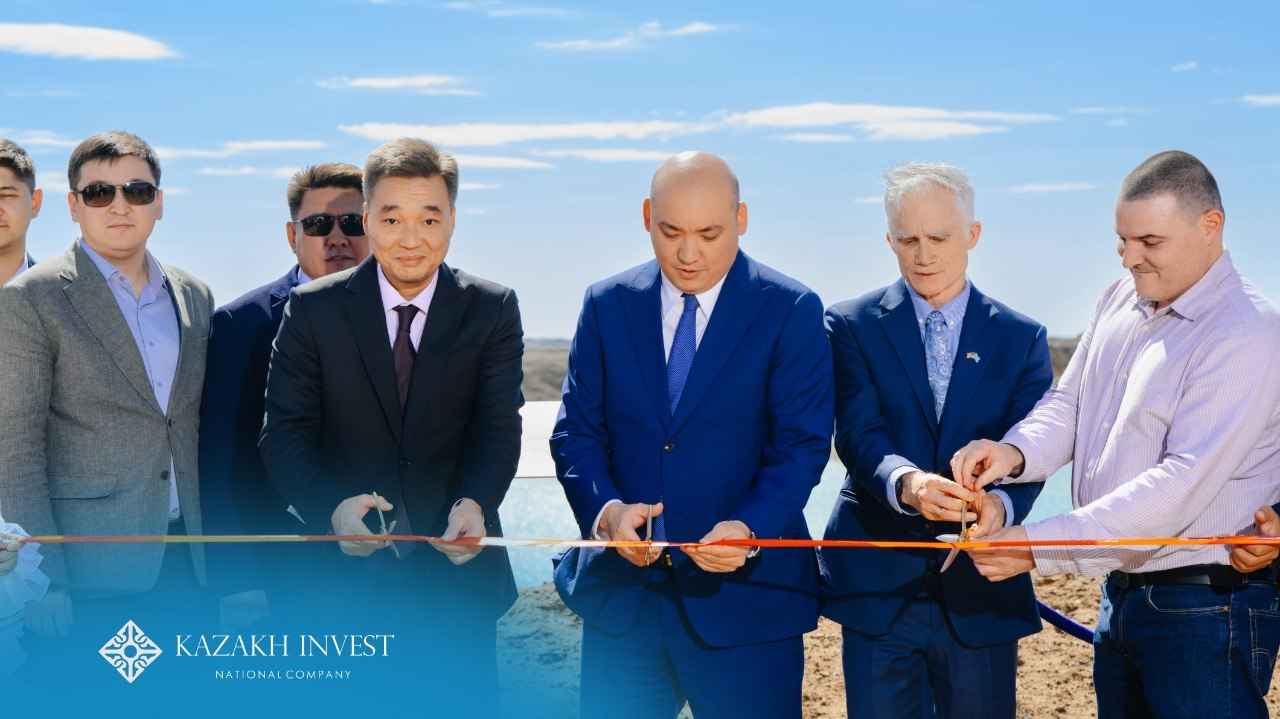
Physical preparation began in July 2026, followed by a public ceremony in August marking the next development phase. Field work, surveying and drilling preparation provide information needed to settle the engineering configuration and resource model before major construction. Northern Katpar’s definitive feasibility study also commenced in July and is expected to continue into late 2027. The project cannot reach a final investment decision on the strength of the earlier resource estimate alone; mining methods, recoveries, costs and infrastructure requirements must still be assessed together.
Cove Kaz named DRA Global, ERM and Knight Piésold as preferred engineering contractors in August, subject to definitive agreements. The intended division of work places mineral processing with DRA, geological, mine planning and environmental programmes with ERM, and ground engineering, water and tailings matters with Knight Piésold. Their work is designed to establish the mine and refinery configuration for financing diligence. The developer has not presented the preferred-contractor selection as evidence that construction of the complete production facilities has started.
Cove Kaz plans to build a refinery in Kazakhstan producing ammonium paratungstate, or APT, a chemical intermediate used to manufacture tungsten compounds and metal products. Mineral separation and refining will have to accommodate the actual ore characteristics and achieve commercial recovery rates, while managing water, reagents, energy consumption and process residues. Until the design has been tested and the plant built, the proposed APT stream remains a planned route to market rather than existing refinery output.
Tungsten’s hardness and high melting point make it useful in wear-resistant tooling and certain specialised components, while tungsten heavy alloys are used where high density and controlled material properties are required. Defence manufacturers purchase material to defined specifications, often after powder production, consolidation, machining and inspection. Even a mine able to ship concentrate would therefore depend on suitably qualified processors and manufacturers before its material could enter particular defence supply chains.
That wider chain becomes more consequential under US defence acquisition rules changing on 1 January 2027. For specified covered tungsten products, the restrictions will extend to mining or production of ore and feedstock in covered countries, in addition to later refining and production stages, subject to regulatory exceptions. The rules address tungsten metal powder, tungsten heavy alloy and certain components containing the alloy; they are not a blanket prohibition on every tungsten-containing product. Kazakhstan is not itself one of the covered countries, but a Kazakh source would still need suitable downstream traceability and compliant processing.
A contractor sourcing a covered tungsten product may need to document both feedstock extraction and subsequent conversion, rather than rely solely on the country of final assembly. That creates a possible long-term opening for eligible new mining and refinery capacity, although the January rule change comes well before Northern Katpar’s expected feasibility-study completion. No new Pentagon purchase agreement with Severniy Katpar has been announced.
The US Export-Import Bank has issued a letter of interest for up to $900 million, while the US International Development Finance Corporation has indicated possible support of up to $700 million. Both were disclosed in April and indicate prospective finance, not committed lending or disbursement. Earlier developer estimates put combined project costs at approximately $1.1 billion, but the definitive study and negotiations will determine the actual capital requirement, funding structure and commercial terms.
Separately, Cove Kaz and Nasdaq-listed Skyline Builders Group announced a proposed corporate combination in April under which the combined business would take the name Kaz Resources Inc. The merger requires the relevant shareholder, securities and regulatory conditions to be satisfied; the October supply chain commentary did not confirm completion. A listing transaction, even when concluded, is distinct from financing the development of a mine and processing plant, so the proposed company structure should not be read as proof that construction spending is fully secured.
Cove Kaz expects the Northern Katpar definitive feasibility study to conclude before the end of 2027, with Upper Kairakty included in the broader production plan. Its findings will inform an investment decision and the search for binding funding, after which permits, construction and commissioning would still need to be completed before commercial mineral or APT output. Until then, the project remains a possible longer-term supply source for allied defence manufacturers rather than material available to meet the January regulatory deadline.
FEATURED IMAGE: IMAGE FALLBACK REQUIRED — project imagery exists in third-party coverage, but no direct, verified reusable owner-authorised site image identified.