IN Brief:
- Cyprus and Israel signed a government agreement on 26 October for a new offshore patrol vessel to be built by Israel Shipyards.
- Rafael will provide naval systems for the new ship, while systems aboard the existing Israeli-built Ioannides are to be upgraded.
- Neither government disclosed the contract value, selected shipboard systems or a delivery timetable for the new vessel.
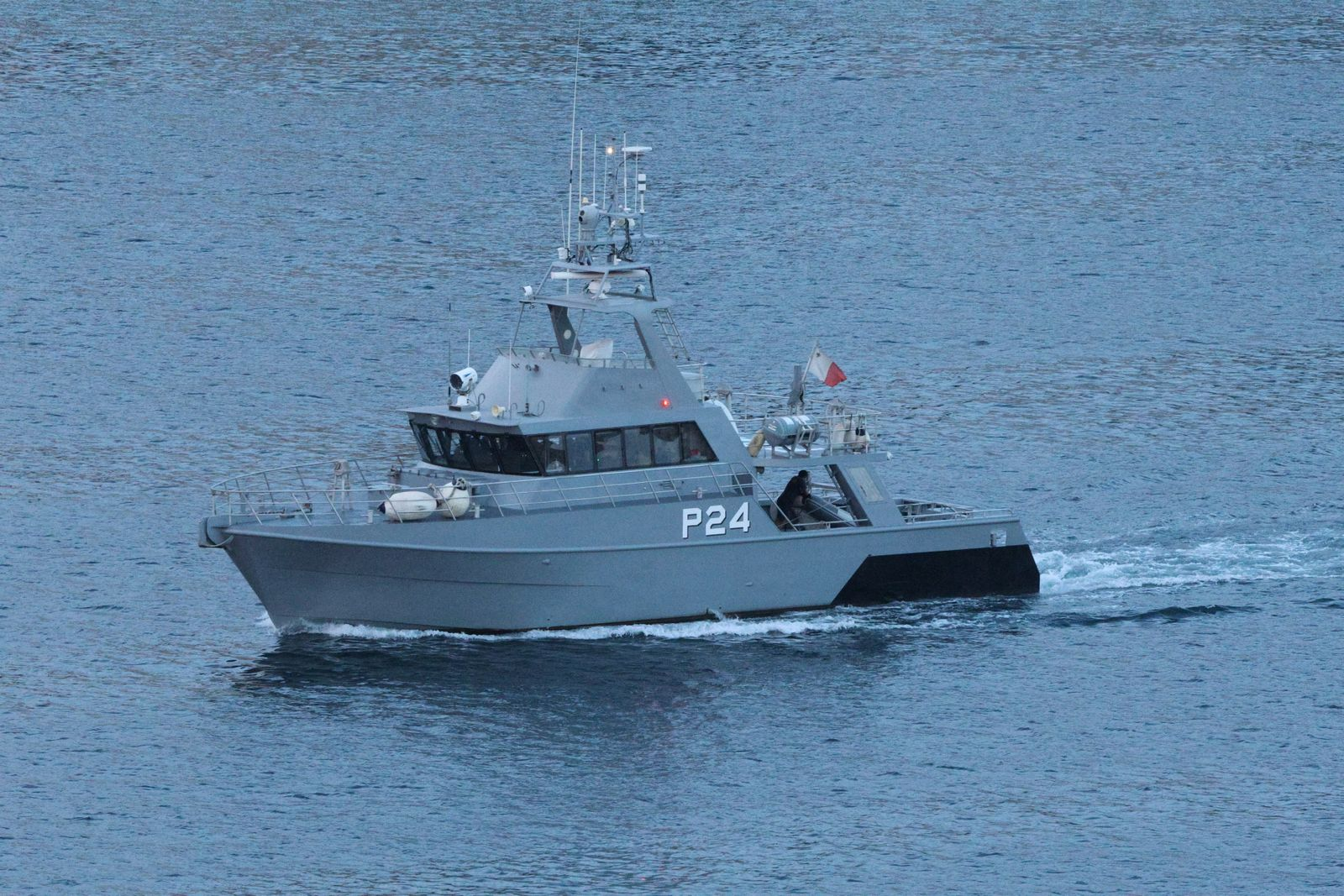
Israel Shipyards will build a new offshore patrol vessel for Cyprus under a government-to-government agreement signed with Israel on 26 October. Rafael will provide naval systems for the ship, while equipment aboard Cyprus’s existing Israeli-built patrol vessel, Commodore Andreas Ioannides, will be upgraded. The contract establishes a shipbuilding and systems integration programme, although the two governments have not disclosed its value, vessel configuration or delivery date.
Israeli Ministry of Defence director general Amir Baram and Stelios Kountouris, acting permanent secretary of Cyprus’s Ministry of Defence, signed the agreement in Cyprus. Israel’s International Defense Cooperation Directorate, SIBAT, and Cyprus’s Armaments and Defence Capabilities Development Directorate led the procurement work. Israel Shipyards chief executive Eitan Zucker and Rafael naval warfare systems director Ran Tavor attended the signing, alongside government representatives.
The procurement combines construction of a new vessel with modification of one already serving the Cyprus Naval Command. Ioannides was also built by Israel Shipyards, giving the customer an established relationship with the shipbuilder, but the scope of the upgrade has not been itemised. Cyprus expects the new and refurbished vessels to support patrol, surveillance and search-and-rescue missions; their final sensor and weapon configurations remain unspecified.
The receiving ship’s hull design will need to accommodate propulsion machinery, electrical generation, navigation equipment and the interfaces for Rafael’s systems. Physical equipment spaces and access routes affect later maintenance, while machinery loads and power requirements influence the choice of foundations, cooling capacity and cable distribution. Neither Israel Shipyards nor the ministries have identified a hull variant from which exact dimensions, speed or endurance could be established.
Rafael’s role covers naval systems rather than construction of the ship itself. Surveillance sensors, operator displays, command equipment and, where contracted, weapon controllers require reliable exchanges of data and a consistent representation of contacts. No particular Rafael missile, gun mounting, radar or electronic warfare package has been specified for the new ship, so the capabilities of existing Cypriot vessels cannot be assigned to the future platform as a matter of course.
Integration requires suppliers to establish agreed electrical, mechanical and data interfaces before the equipment is fitted. Power converters, cooling arrangements, cable routes and system foundations must be matched to the installed hardware. Where a combat system is added to a platform already in construction, changes made after equipment spaces are closed can involve rework and additional testing, increasing the importance of freezing interfaces early.
Upgrading Ioannides creates a different engineering problem. An existing vessel has established layouts, power budgets and software configurations, some of which may constrain what can be replaced or added. Engineers must establish whether new equipment can reuse existing mountings and connections or whether associated wiring, cooling and control systems need modification. The governments have not released enough detail to establish the scope of those physical changes.
Using the same shipbuilder may permit some common training, spares and maintenance practices, but common origin is not sufficient evidence of component interchangeability. Equipment fitted during an earlier production programme can differ from a new ship’s software and electronic hardware, particularly when suppliers revise their product lines. Cyprus and its contractors will have to establish which replacement parts and technical manuals can be used across the two vessels once both configurations are defined.
Building the new hull is one stage of a longer acceptance process. Structural fabrication and machinery installation are followed by commissioning of propulsion, navigation and electrical equipment. A vessel’s systems also need checks under harbour and sea conditions before the customer can verify that the contracted functions operate together. None of those milestones should be confused with the signing of the government agreement.
The systems package will need to pass checks beyond the acceptance of individual components. Engineers must verify electromagnetic compatibility between installed antennas and other electronics, the accuracy of sensor time references and the presentation of information on shipboard displays. Integrated trials then examine whether the approved equipment operates together while the vessel changes speed and heading. Public procurement details do not specify what naval weapons, if any, are part of those trials.
Refitting Ioannides will also require arrangements for taking the existing ship out of service, conducting modifications and returning it to operational use. The naval command has not released the construction and refit sequence, so there is no basis to assume that the new ship will enter service before the existing vessel is withdrawn for upgrades. Availability will depend on completion of separate acceptance activities on both platforms.
No official figure has been released for the agreement’s price. Earlier media estimates about a prospective naval package do not identify a government-confirmed payment schedule or give a reliable breakdown between hull construction, Rafael equipment and the Ioannides upgrade. The confirmed contracted scope is one new offshore patrol vessel, naval systems for that ship and modification of equipment on the existing vessel.
The work will involve at least two different production and support activities: construction and outfitting of the new hull, and modification of equipment aboard an operational ship. The customer will need configuration records covering both, particularly if software, sensors or weapon-control interfaces differ between them. Complete documentation is necessary for fault isolation, later maintenance and any future upgrades.
Construction milestones, the specification of Rafael’s equipment and the refit schedule for Ioannides remain to be disclosed. The agreement secures a new vessel and associated systems work, while the operating characteristics, delivery timetable and extent of fleet-wide equipment commonality depend on the configurations eventually built and accepted.