IN Brief:
- Thales Australia and the Commonwealth co-invested in a new 100-metre sonar production hall at Rydalmere.
- The facility supports Hunter-class frigate arrays, Collins-class submarine sonar and BlueSentry thin-line acoustic systems.
- The manufacturing and sustainment capability is intended to reduce reliance on offshore maintenance and support future exports.
Thales Australia has opened a sonar manufacturing and sustainment facility at Rydalmere in Western Sydney, adding local capacity to build and service acoustic systems for submarines, surface ships and uncrewed maritime platforms. Australian Minister for Defence Industry Pat Conroy opened the facility on 26 October 2026 after a multimillion-dollar investment jointly funded by the company and the Commonwealth.
The 100-metre production hall sits within the company’s existing Acoustics Centre of Excellence. It has been designed for end-to-end manufacturing of towed-array sonar systems, with additional integration and maintenance functions. The size of the investment was not disclosed and the company has not given an annual production figure for completed arrays.
The facility is intended to produce towed-array sonar for the future Hunter-class frigates, support Collins-class submarine sonar equipment, and manufacture BlueSentry thin-line acoustic arrays for use with uncrewed platforms. These are distinct equipment and integration tasks: the deployed sensors, cable geometry, onboard interfaces, handling arrangements and maintenance needs differ between frigates, submarines and smaller autonomous vessels.
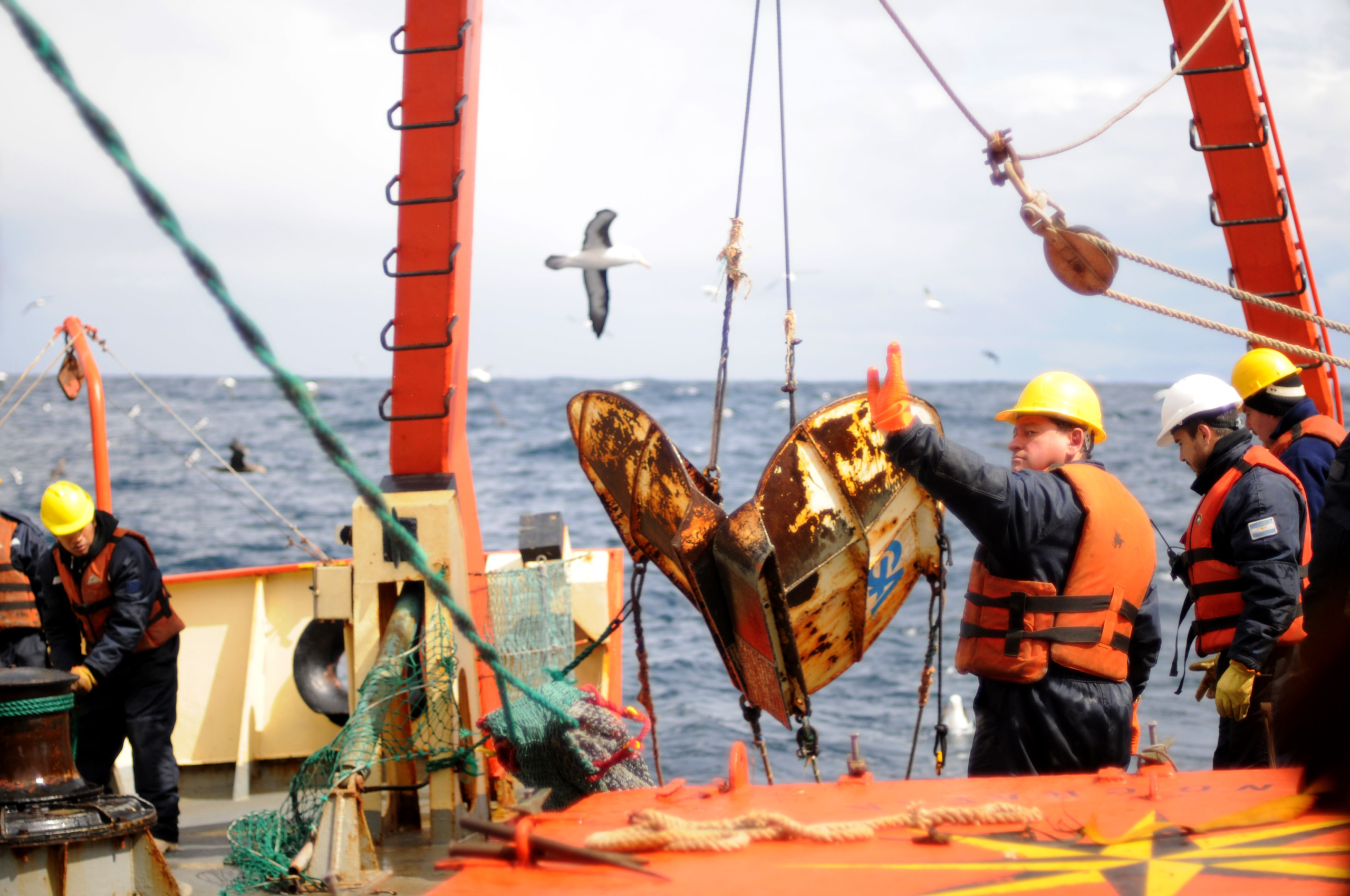
A towed-array sonar uses a line of acoustic sensing elements deployed behind a vessel to detect underwater sound. The distance between the ship and the array can help reduce interference from the towing platform’s own machinery and hydrodynamic noise. The resulting measurements are processed to distinguish acoustic contacts from background conditions and competing sources of sound.
Detection performance varies with hydrophone sensitivity, the array’s geometry, tow cable behaviour, vessel speed, ambient noise and signal processing. A target’s acoustic signature may be masked by shipping, sea conditions or the towing platform, so data from the array must be analysed rather than treated as a direct identification. Consistency in cable construction and the position of sensing elements helps maintain the calibration on which that analysis depends.
Long, flexible sensor lines require sensing elements, conductors or optical fibres, protective layers and cable terminations to survive repeated deployment without shifting calibration. Manufacturing tolerances affect sensor spacing, electrical or optical continuity and mechanical strength. A variation in the array’s construction can change how it responds to underwater sound, so inspection and quality control must accompany each production stage.
Fabricated arrays require optical or electrical continuity checks, mechanical inspection and performance verification before installation. Shipboard integration also demands compatible connectors, data interfaces and equipment for deploying and retrieving the line. Thales has not published the exact production equipment, factory test sequence or annual array output at Rydalmere, so the opening cannot yet be translated into a stated yearly delivery rate.
Hunter-class frigates are expected to receive towed-array sonar made at the new hall, adding a sensor deployed behind the ship to those installed in the hull. Processing systems must reconcile acoustic measurements with other information available to the combat team. Manufacture of the array alone is therefore separate from configuring the shipboard electronics, handling gear, command interfaces and final acceptance testing required to deliver the frigate’s anti-submarine warfare capability.
Australia’s Collins-class submarines provide a second established sustainment requirement. Rydalmere already has a long history in naval acoustic systems, with Thales describing more than three decades of support to the Royal Australian Navy. The new hall extends the local industrial footprint rather than creating the country’s sonar engineering capability from nothing.
BlueSentry combines a thin-line fibre-optic array with an uncrewed maritime platform for autonomous surveillance. A smaller host vessel creates restrictions on array mass, drag, available electrical power and deck-handling equipment, making the acoustic package different from a frigate installation. How long the vessel remains on station, and how its observations are stored or communicated, also affects the resulting surveillance capability.
Fibre-optic approaches measure changes carried through light rather than relying exclusively on electrical sensing along the array. They can offer useful design choices for small-diameter cable systems, but the performance of a particular BlueSentry configuration has to be established through its own trials. Thales has not released comparative performance figures for the Rydalmere production lines.
Bringing manufacture and sustainment into the same national industrial base can shorten some repair and support routes. Damaged cables, connectors or other acoustic equipment may need diagnosis, rework and subsequent testing before a system returns to service. Local facilities can reduce the number of stages that involve offshore transport, although actual turnaround times will depend on spares, technical scope and workforce availability.
Thales expects the facility to create dozens of engineering and advanced manufacturing roles in Western Sydney over the coming years, with additional work for domestic suppliers. The total capital investment was described as multimillion-dollar but was not quantified, and the company has not published a timetable for reaching a specific production rate. Employment and capacity benefits therefore remain projections beyond the completed facility opening.
Exports are an intended use of the manufacturing capability, although the opening did not bring a separate export contract or an identified overseas customer. The immediate industrial milestone is a functioning Australian production and sustainment site for three defined naval acoustic applications. Deliveries, fleet integration and any future export orders will provide separate measures of its output.