
Land
-
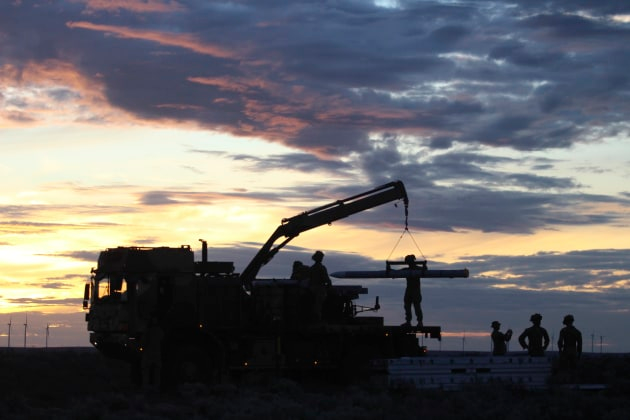
Australia’s NASAMS trials sharpen industry focus on mobile air defence. The work brings launchers, sensors, missiles, vehicles, software, and sustainment into one production challenge.
-

American Rheinmetall is expanding production capacity for Army modernisation programmes. A $41 million investment across six US facilities will add machining, inspection, turret, mobility, and automation capability for combat vehicles, launchers, and tactical systems.
-
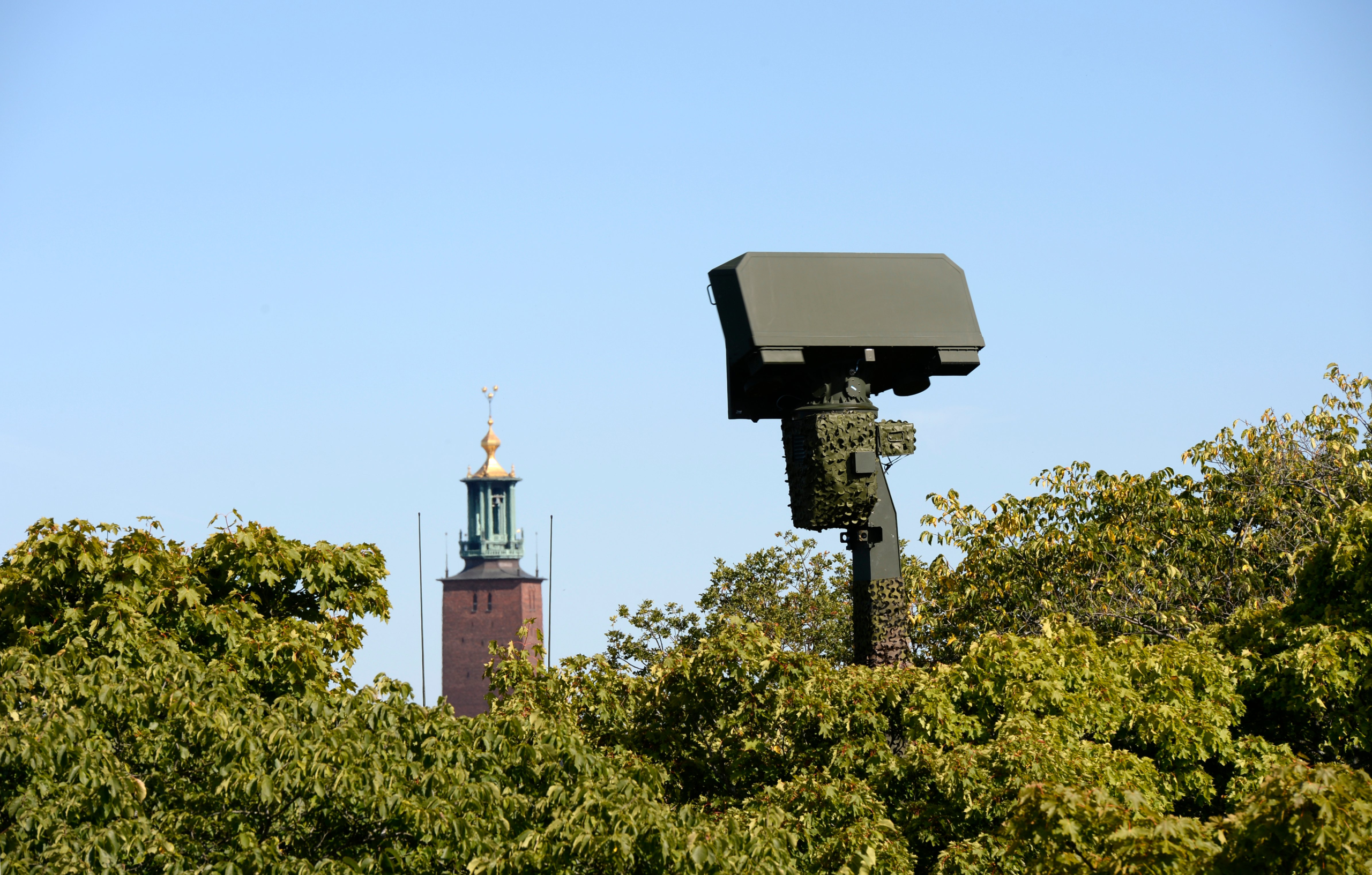
Sweden is reinforcing brigade air defence with new Saab systems. The SEK 1.2 billion order covers Giraffe AMB radars and LSS Lv command systems, adding mobile sensing and C2 capacity for Swedish Army formations.
-
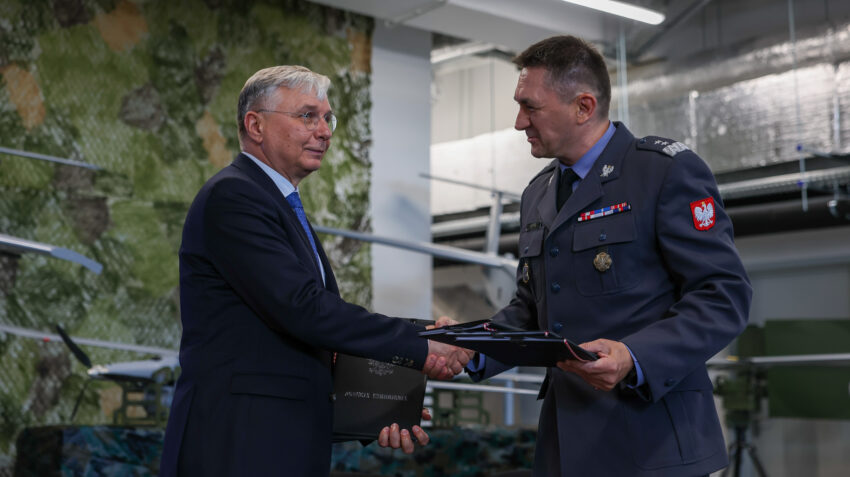
Poland is scaling unmanned strike systems through domestic production capacity. New WB Group contracts cover GLADIUS, FLYEYE, and WARMATE systems, strengthening Poland’s reconnaissance-strike network and creating clearer demand for loitering munition and tactical UAV manufacturing.
-
Romania’s Rheinmetall package turns procurement into a national industrial expansion. The €5.7 billion programme covers Lynx vehicles, Skyranger air defence, ammunition, and naval vessels, with local production and technology transfer built into delivery plans.
-
Federal’s Peak Alloy agreement moves ammunition cases into performance engineering. The US Army agreement could support higher-pressure cartridges and future small-arms development.
-
ROGUE-Fires Block 2 moves autonomous launchers into production discipline phase. The $92m award advances JLTV-based semi-autonomous vehicles for distributed expeditionary fires.
-
Britain’s latest LMM order reinforces Belfast missile production capacity requirements. The £36m contract adds hundreds more missiles as counter-drone demand stretches short-range air defence stockpiles.
-
Uvision’s CORTEX system moves loitering munitions toward networked strike architecture. The system connects sensors, decision support, and multiple effector families into one mission-management framework.
-
China’s desert launch network adds depth to nuclear-force survivability planning. The work points to hardened basing, mobile-launch support, and resilient command infrastructure around the Hami missile fields.