IN Brief:
- Saab will deliver Giraffe AMB radars and LSS Lv command-and-control systems to Sweden from 2029 to 2030.
- The order supports brigade-level ground-based air defence against aircraft, missiles, drones, and low-altitude threats.
- Sensor production, software integration, cyber resilience, and interoperability will shape the system’s long-term value.
Saab has received a SEK 1.2 billion order from Sweden’s defence materiel authority for ground-based air-defence sensors and command systems, strengthening brigade-level protection for the Swedish Army.
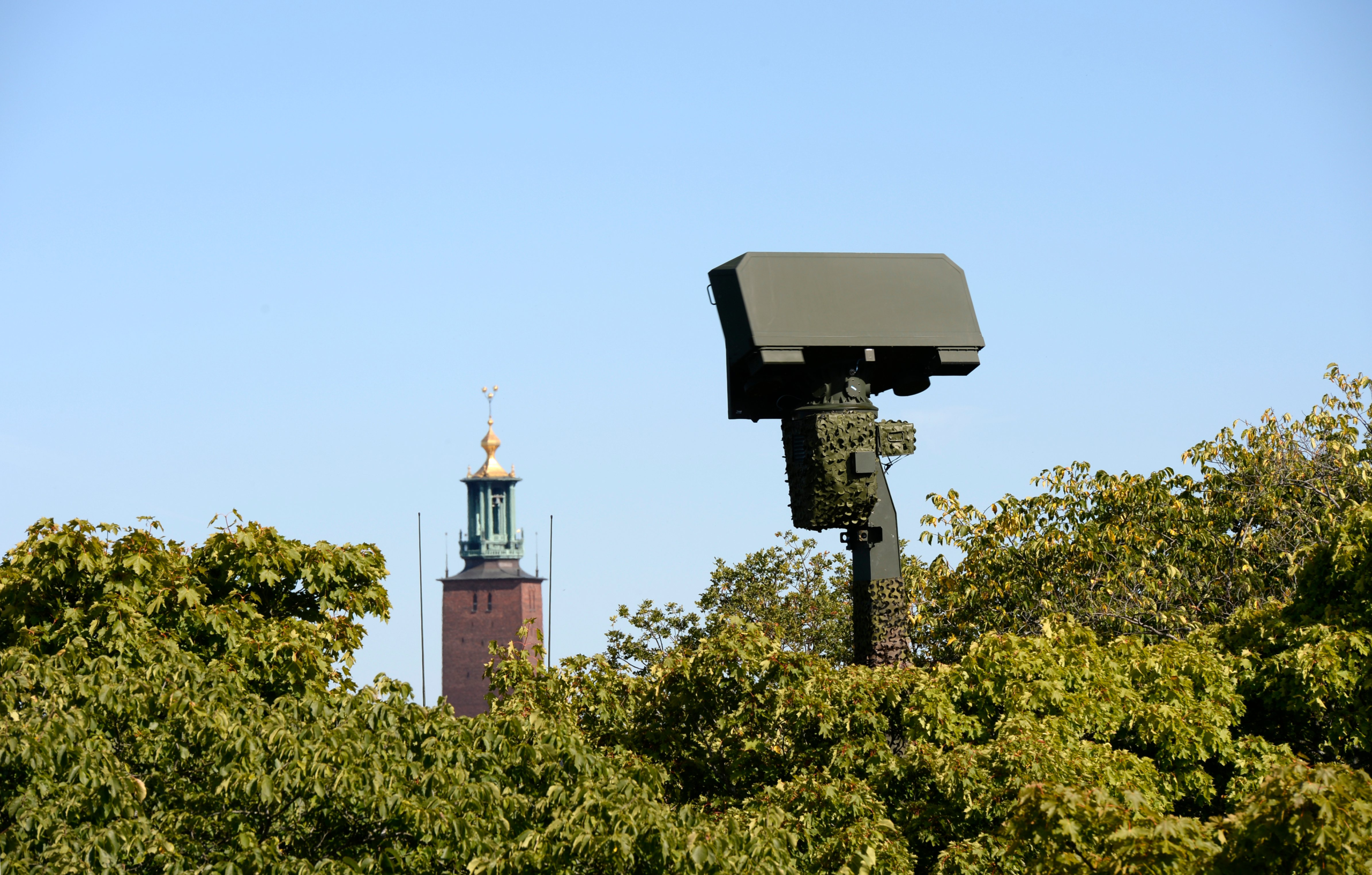
The order covers Giraffe AMB surveillance radars and LSS Lv command-and-control systems, with deliveries scheduled for 2029 and 2030. The equipment will support Sweden’s ground-based air-defence architecture by giving army formations mobile sensing and decision-support capacity against a widening range of aerial threats.
Brigade air defence now sits under pressure from several directions. Small drones, loitering munitions, cruise missiles, helicopters, fixed-wing aircraft, and guided rockets all place different demands on sensors and command systems. A radar may detect the target, but the value of the system depends on how quickly information moves into a fire-control chain and how well operators can prioritise threats.
Giraffe AMB provides mobile air surveillance, while LSS Lv supplies the command layer needed to coordinate engagements. The pairing reflects the direction of modern air defence: sensors and command systems are no longer support equipment around a weapon, but the architecture that allows weapons to be used effectively. Missiles and guns still deliver the effect, yet they depend on track quality, data fusion, communications, and decision speed.
Manufacturing these systems draws on a specialised industrial base. Radar production requires RF components, ruggedised electronics, antenna systems, power management, mechanical structures, vehicle integration, and extensive test infrastructure. Command systems bring software development, operator-interface design, cybersecurity, datalink integration, and interoperability work. Each part has to operate in field conditions, not laboratory environments.
Sweden’s order reinforces one of the country’s strongest defence technology sectors. Saab has long held a prominent position in radar, sensor, and command-system production, and domestic orders help retain engineering depth, reference customers, and skilled manufacturing capacity. In a European market where air-defence demand is rising quickly, that national base is increasingly valuable.
The same production logic is visible in Britain’s race to rebuild layered air-defence capacity, from Skyhammer to DragonFire. Systems must be manufactured as connected layers rather than isolated purchases. Sensors, C2, effectors, ammunition, vehicles, and support equipment all need investment if armies are to defend manoeuvre forces against the full mix of aerial threats.
Long delivery schedules show the pressure within the sector. Even mature systems ordered from an established supplier require years to produce, configure, integrate, and test. Specialist electronics, vehicle installation, software assurance, secure communications, and customer-specific interfaces all extend the production cycle. As more NATO countries place air-defence orders, suppliers will face competing demand for similar components and engineering skills.
Electronic warfare and cyber resilience will also shape the Swedish systems over their service life. Air-defence radars and command networks are high-priority targets for jamming, deception, and cyber intrusion. Hardware needs to be robust, but software maintainability and secure update processes will be just as important. A sensor network that cannot be protected or upgraded will become vulnerable faster than the physical equipment wears out.
Sweden’s NATO membership adds another layer to the integration task. Brigade air-defence systems need to support national command structures while remaining interoperable with allied air pictures and coalition networks. That places pressure on standards compliance, data-link security, and future upgrade flexibility.
Saab’s production challenge will be to deliver systems that are not frozen at the point of contract. Threats are evolving quickly, particularly at the lower end of the air threat spectrum. Small drones and loitering munitions are forcing air-defence manufacturers to improve detection, classification, and engagement management without driving costs beyond practical deployment levels.
Sweden’s order strengthens the sensor and command layer behind brigade air defence. For European manufacturers, it also reinforces a larger direction: future air-defence advantage will depend on production capacity for radars, software, communications, and integration as much as on missiles or guns.