
News
-

Rheinmetall’s Bundeswehr loitering-munition agreement pairs a large framework order with a design built around fast, repeatable series production in Europe.
-
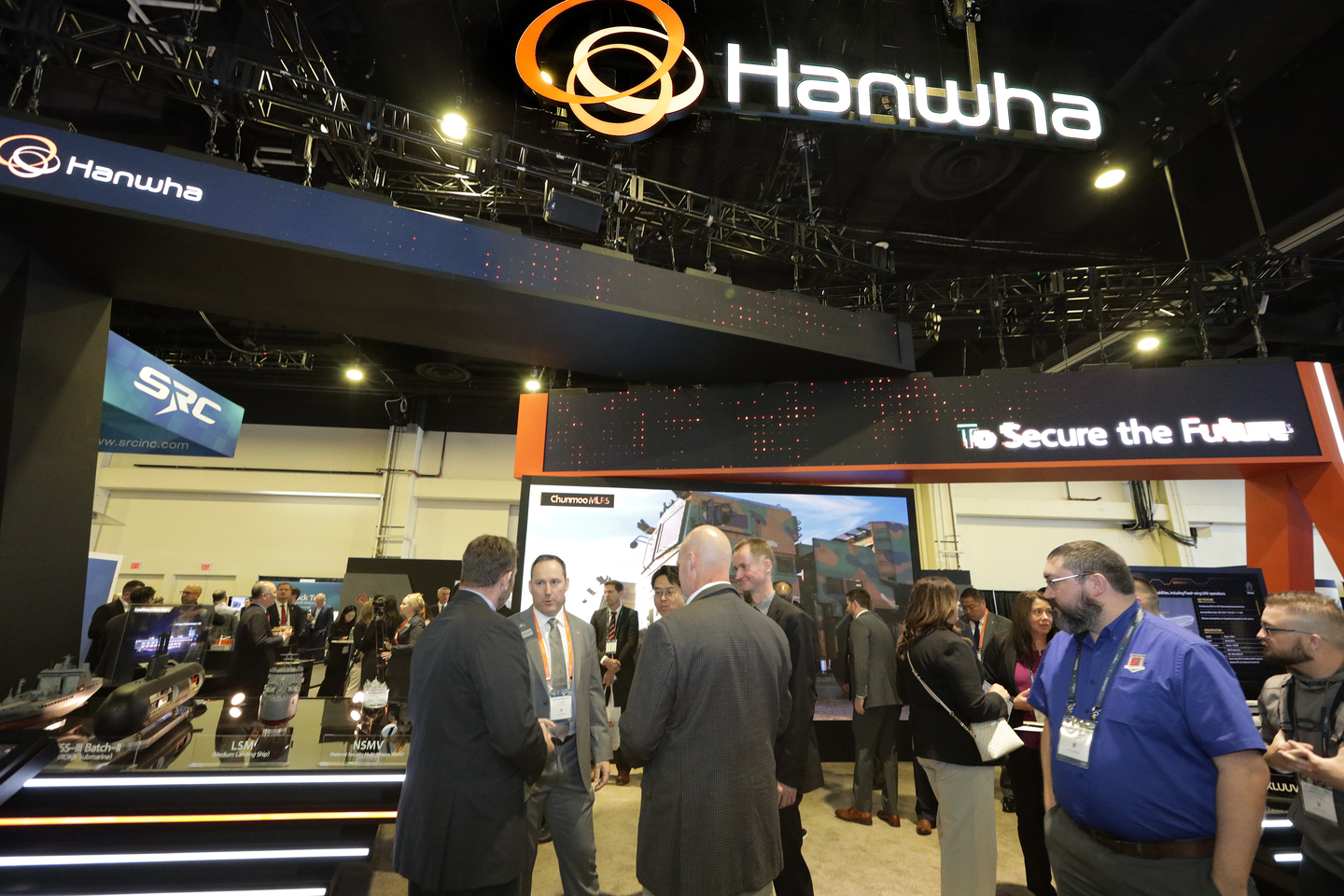
Hanwha Ocean’s agreement with Gibbs & Cox links Korean yard capacity with US naval design experience, with production speed and sustainment built into the programme approach.
-
Kawasaki’s unmanned-aircraft concepts add momentum to Japan’s future airpower plans, where autonomy, mission systems, and airframe production are converging.
-
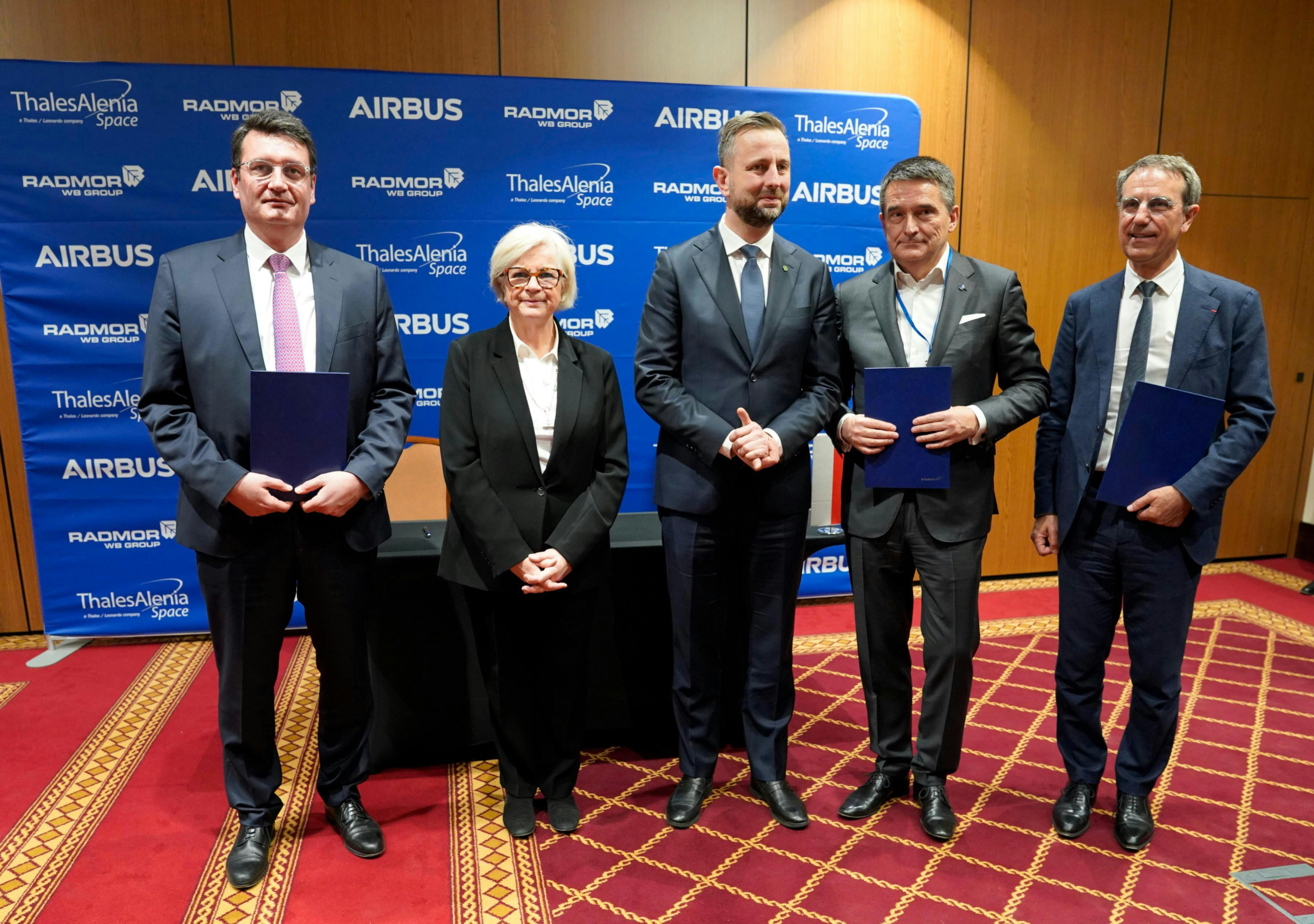
Poland has formed an industrial team for a sovereign defence telecommunications satellite. The programme links payloads, platform design, secure ground infrastructure, and cyber protection.
-
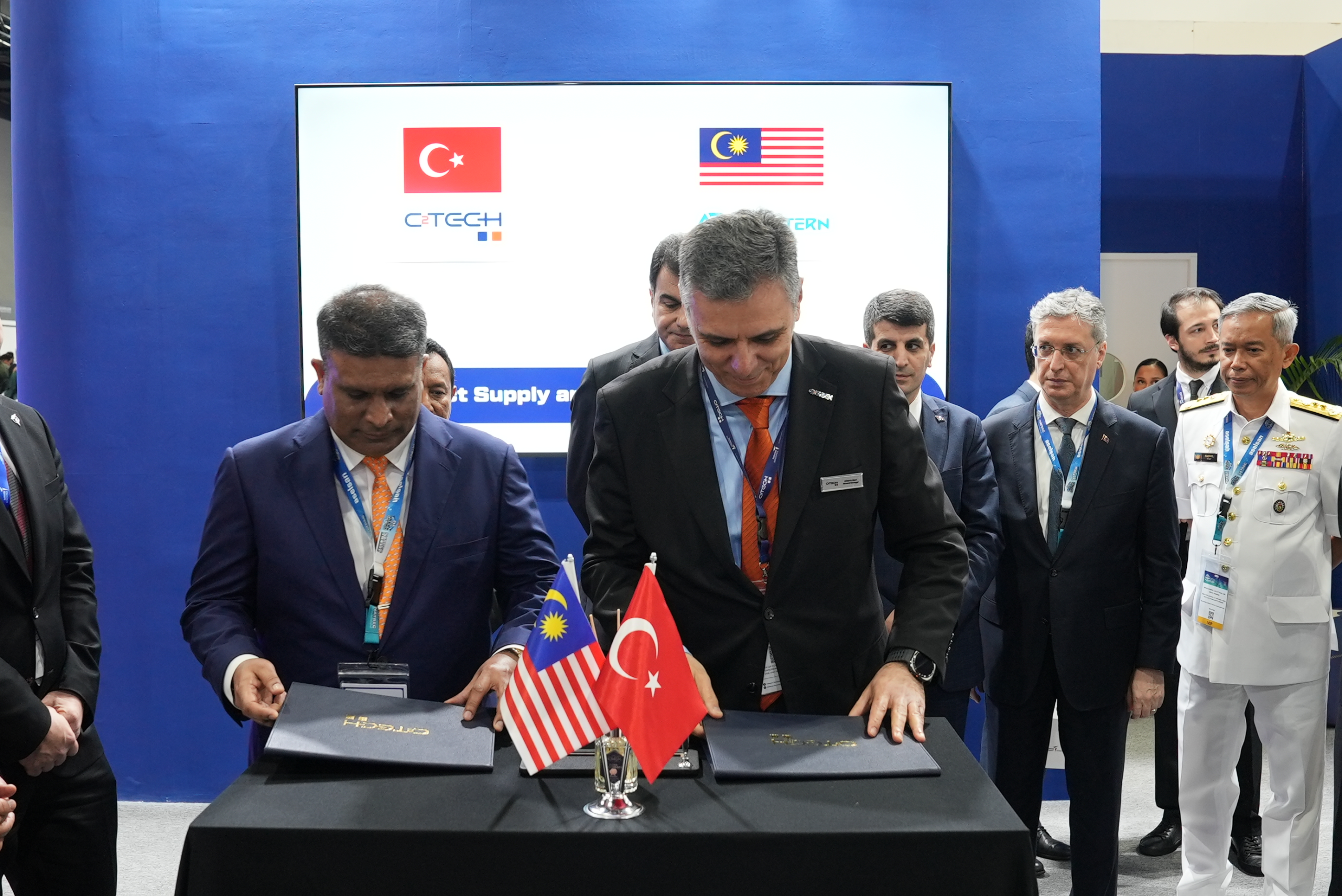
Agreements signed at DSA 2026 have extended Türkiye–Malaysia defence cooperation into secure communications, software-defined systems, and AI-led capability development.
-
The U.S. Navy has completed two JDAM LR demonstration flights. The milestone pushes a lower-cost powered standoff weapon closer to qualification and shipboard integration.
-
SPEAR 3 remains central to Britain’s future air-launched strike inventory. Programme progress is closely tied to integration, qualification, and production planning.
-
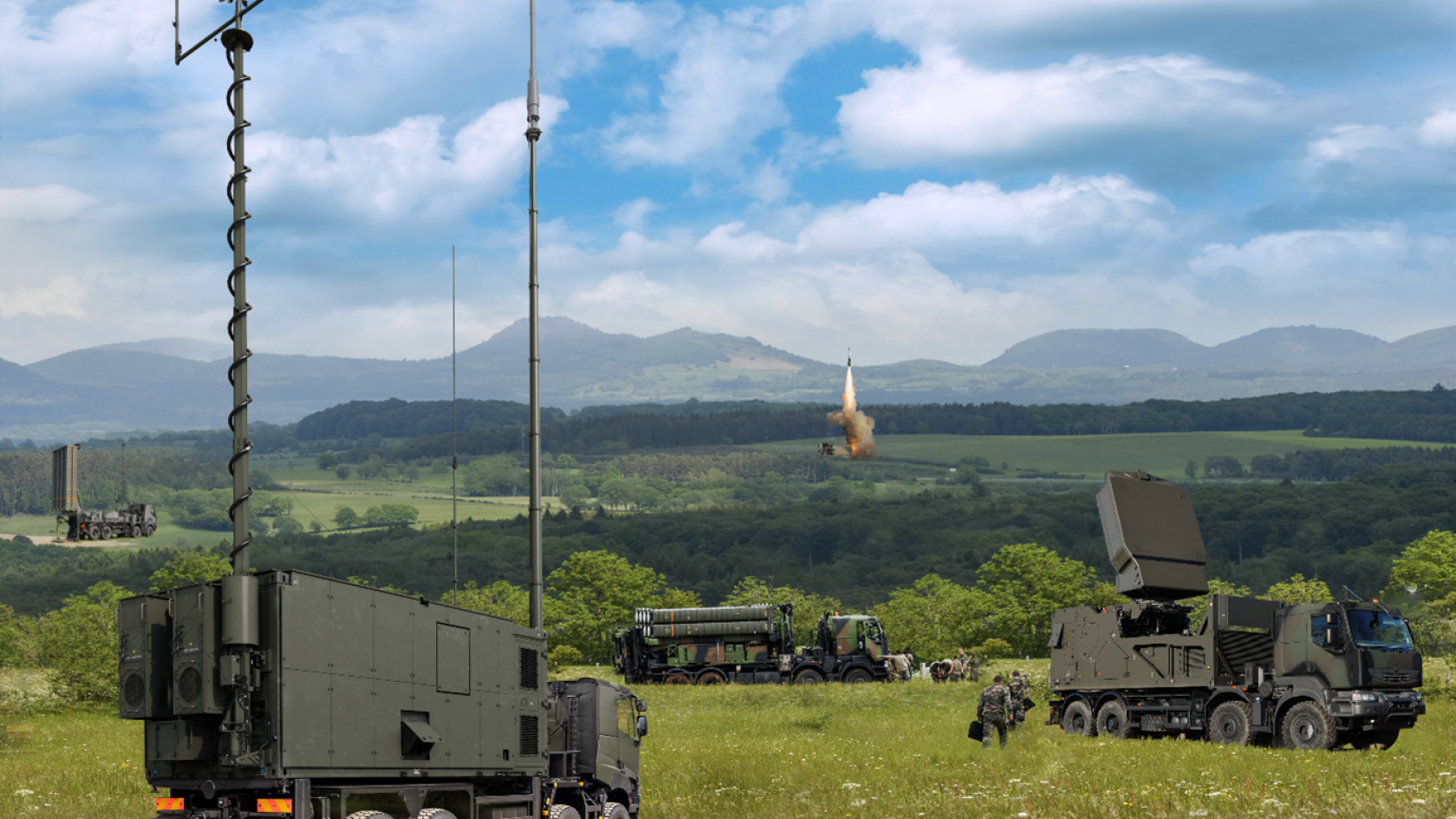
Denmark has selected the SAMP/T NG system for long-range air defence. The move adds demand across European missile, radar, and integration programmes.
-
Italy’s U212 Near Future Submarine programme is moving deeper into serial production. The build now centres on throughput, supplier performance, and systems integration.
-
Anduril and HD Hyundai have moved their autonomous surface vessel programme into production. The work now turns on integration, modularity, and repeatable build standards.