
News
-
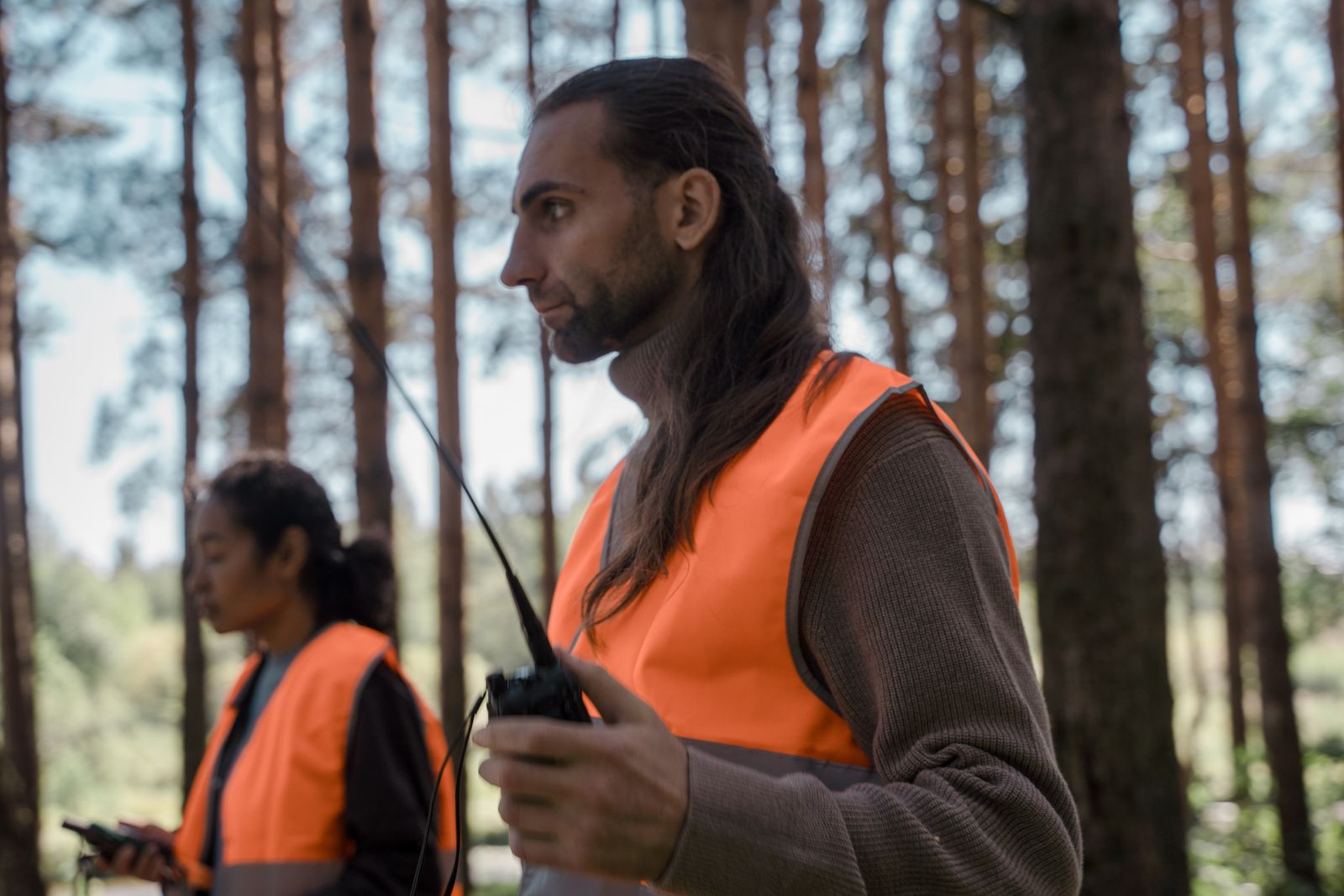
Sweden has ordered Bittium tactical radios for Army pilot testing. The procurement is the first Swedish order under a ten-year Nordic framework designed to support interoperable software-defined communications.
-
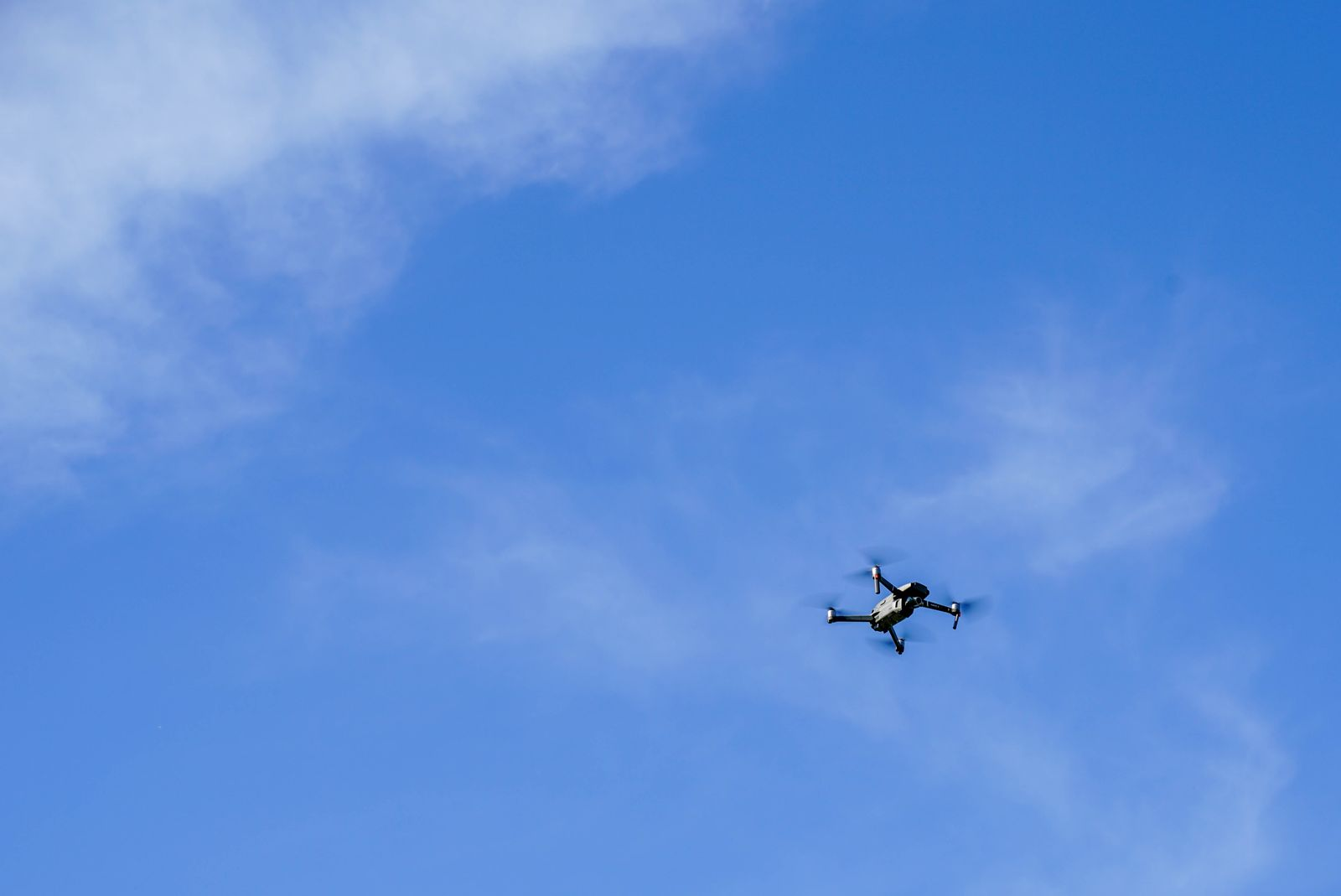
Sweden is moving towards procuring interceptor drones for military use. FMV has been tasked to study, develop, and acquire the capability as the Army expands lower-cost counter-UAS options.
-

Rheinmetall has opened key Battlesuite interfaces for external integration work. The Onboard and Tactical APIs are intended to reduce bespoke engineering across networked defence systems.
-
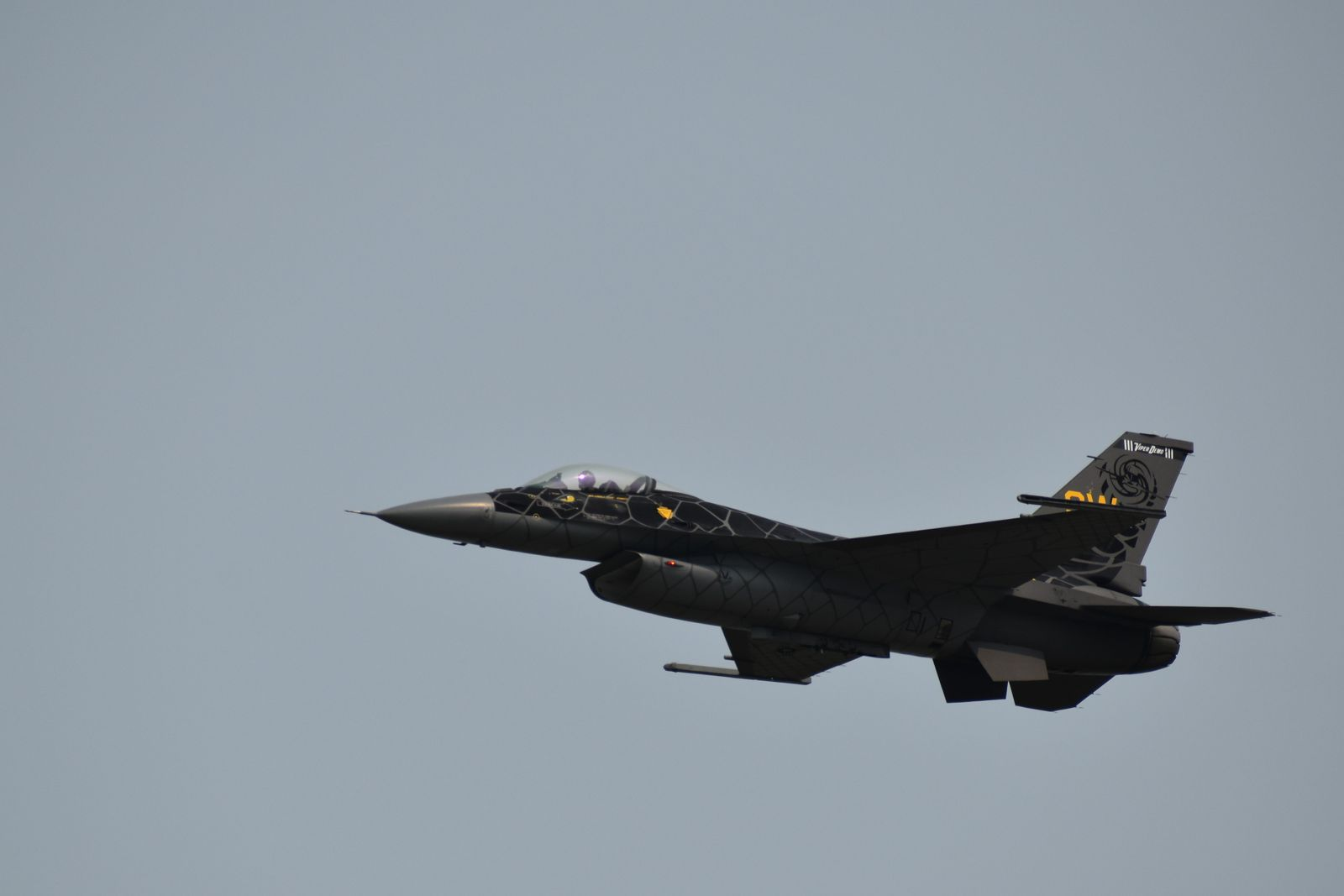
Britain has updated export licensing for the GCAP programme framework. A separate de-minimis licence will also simplify qualifying UK-origin content transfers within selected European defence programmes.
-
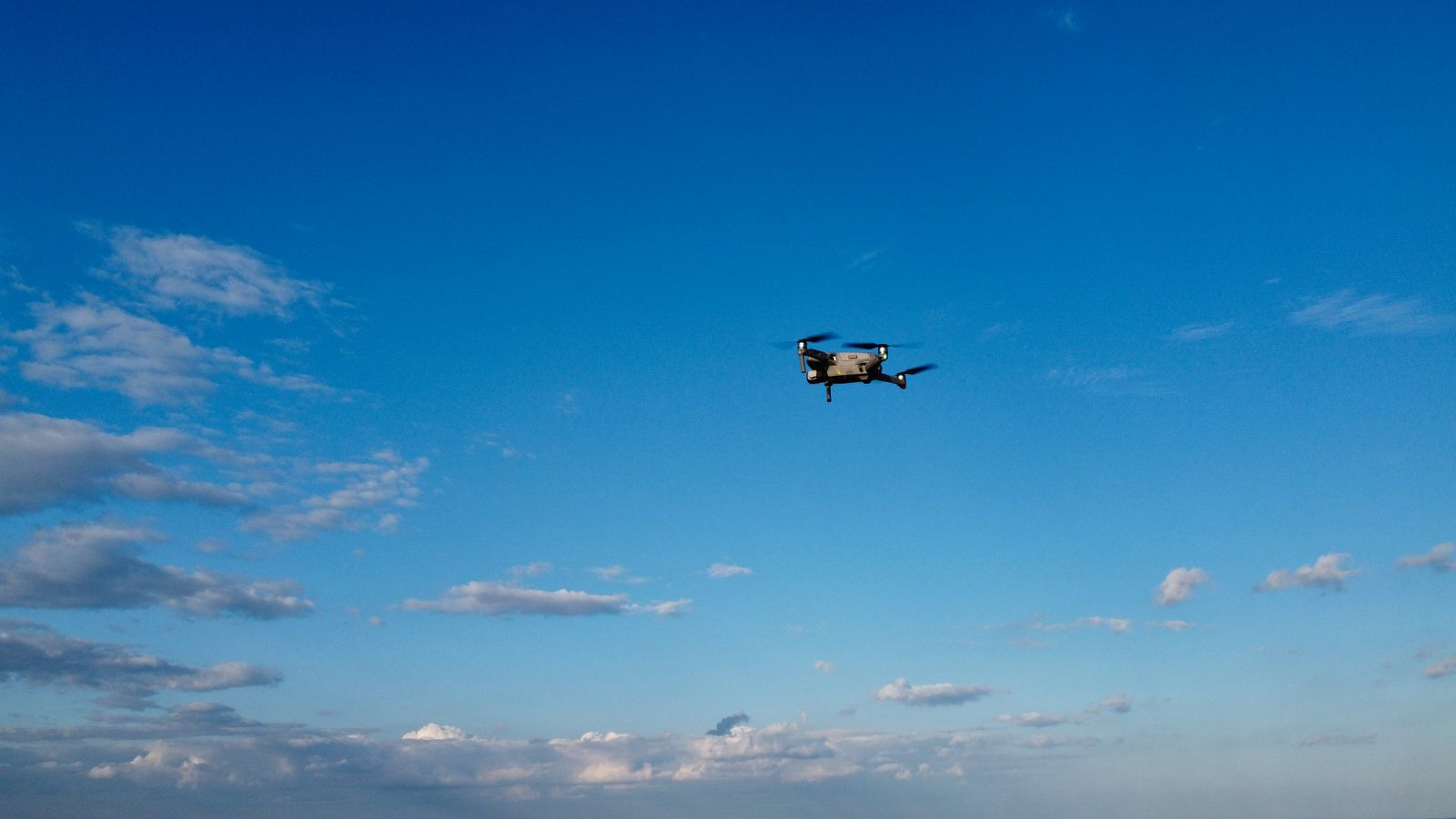
MBDA and WITU have advanced their low-cost counter-mass interceptor programme. Seeker trials in Poland clear the way for prototype integration and an initial firing campaign in 2027.
-
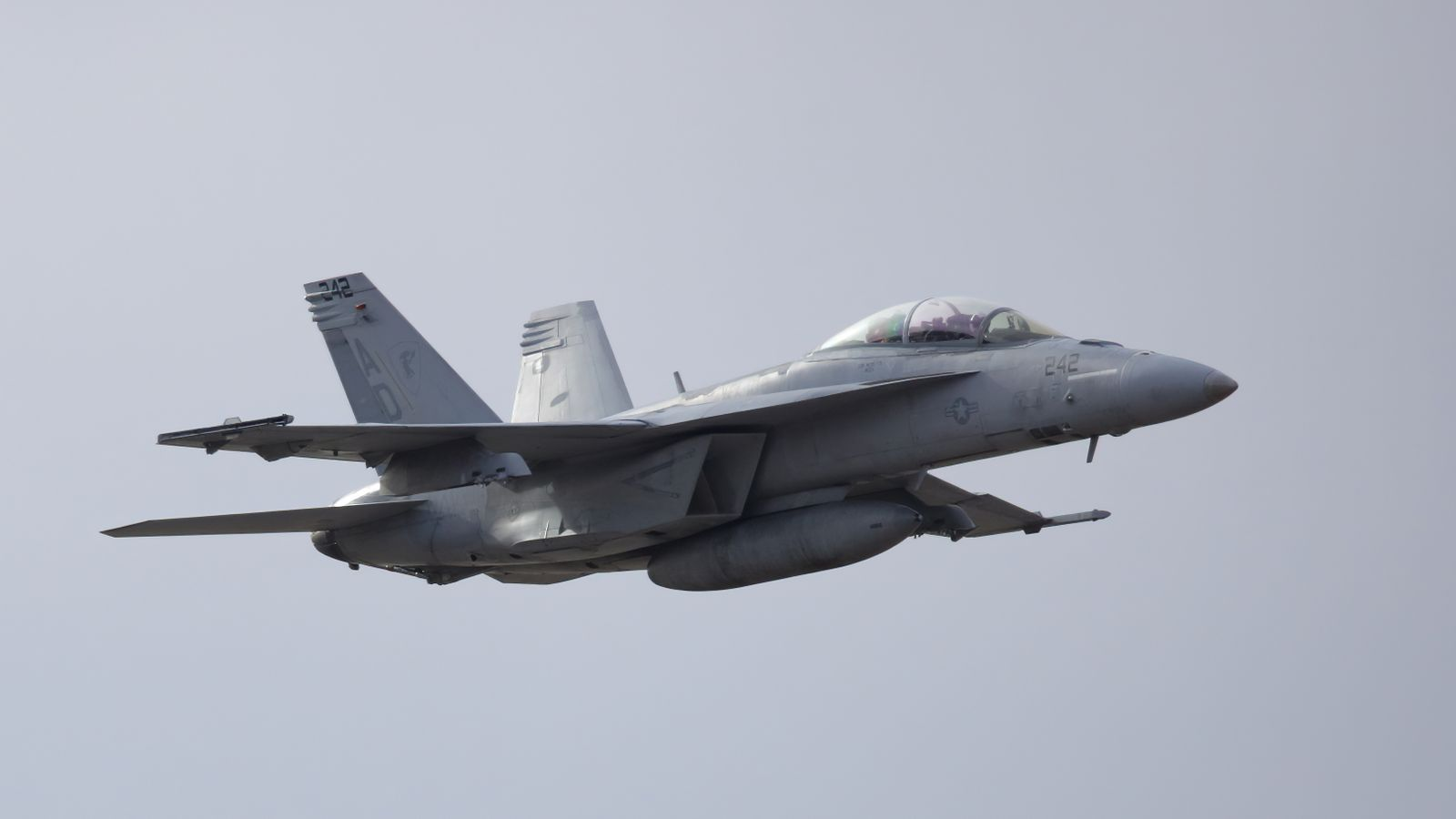
Saab has secured SEK2.9 billion for future fighter development work. The contract extends Sweden’s demonstrator programme through 2028, with options into 2030.
-
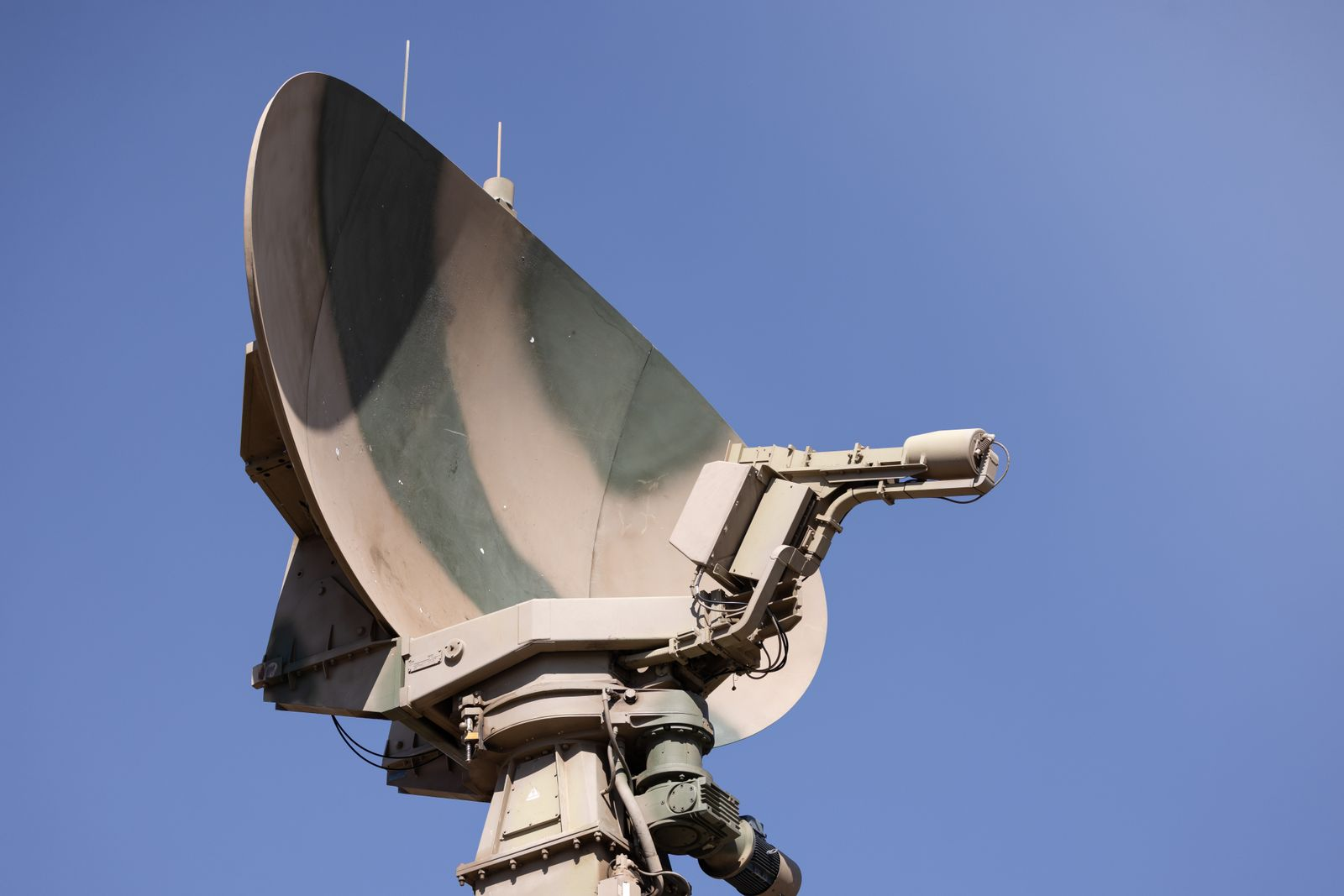
KONGSBERG integrates Echodyne radar into PROTECTOR stations for counter-UAS missions. MESA supplies precision tracking data to the RS4 and RS6 fire-control chain after a multi-year integration and test programme.
-
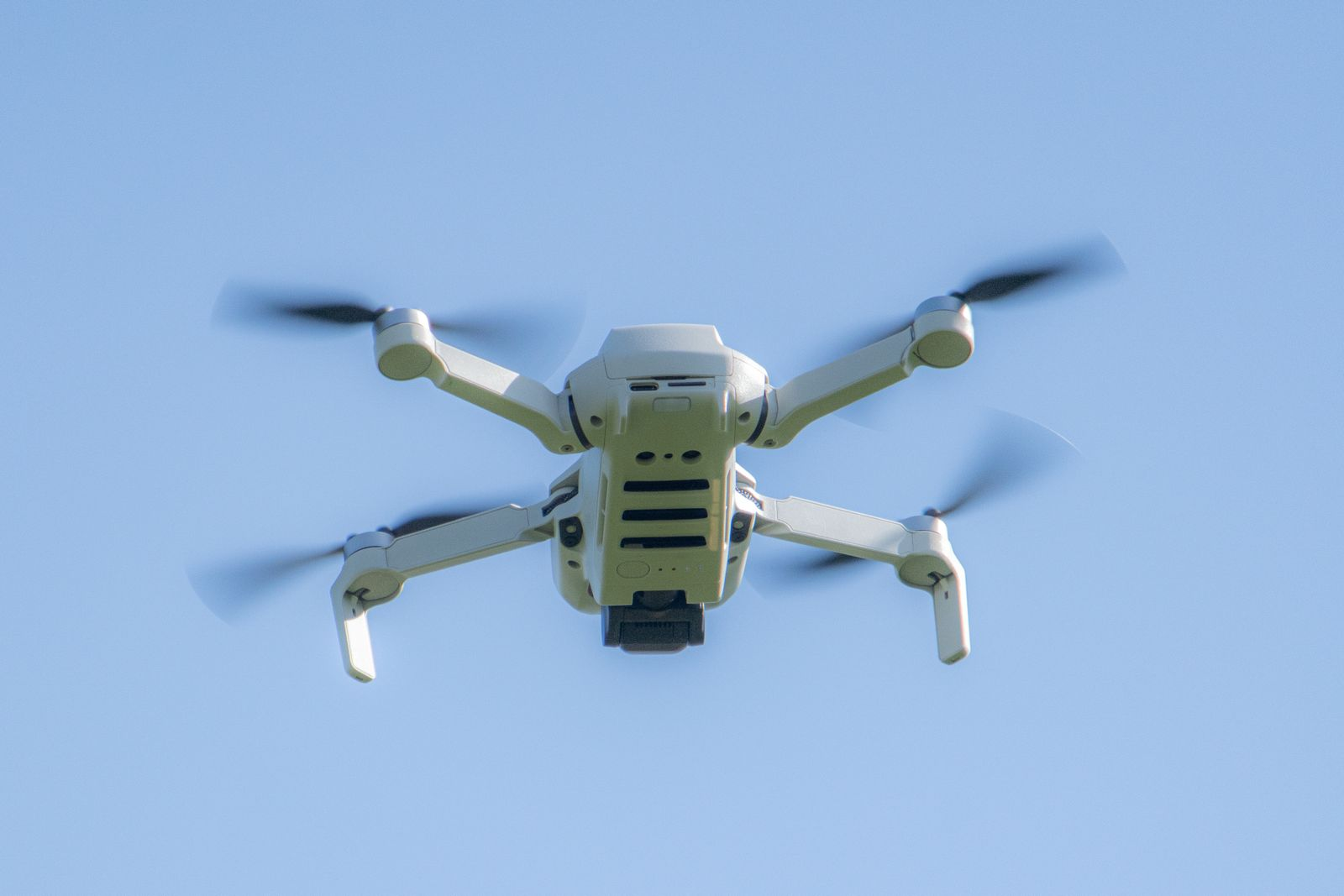
Elbit Systems has launched FUSE for scaled autonomous combat operations. Dominion-X coordinates aerial and ground platforms through a common AI environment designed for distributed missions and contested operating conditions.
-

Australian Army NASAMS has reached final operational capability in service. The milestone completes a phased introduction combining networked air defence, Australian-designed radar, and domestic sustainment.
-
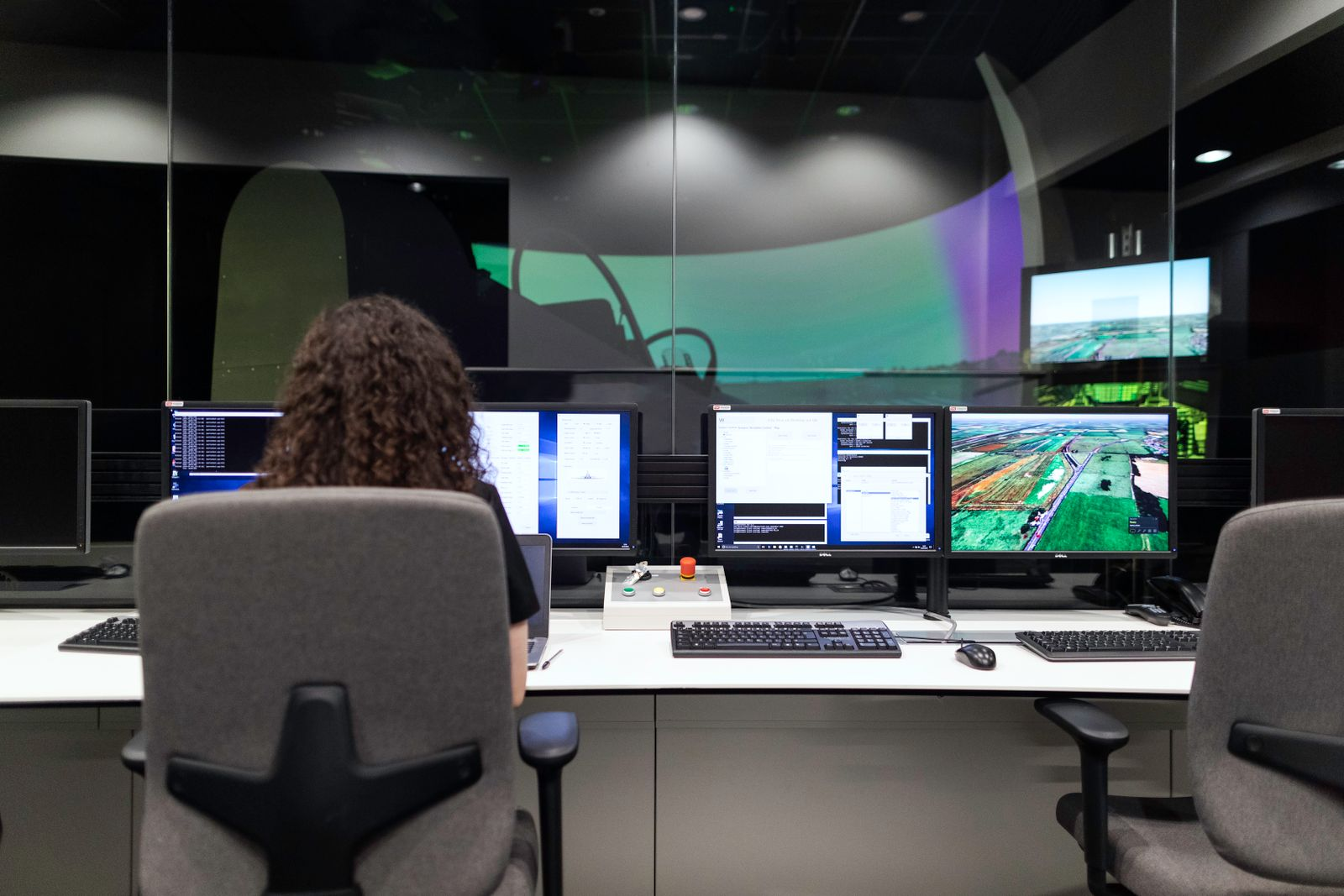
Australia is investing A$2.4 billion in integrated air defence capability. The six-year AIR 6500 package will expand sovereign command-and-control engineering, integration, and support across the Australian Defence Force.