
News
-

The British Army’s drone surge is testing production tempo limits. Project AKSA puts attritable systems, electronic warfare, counter-UAS equipment, and battlefield digitisation into rapid acquisition.
-
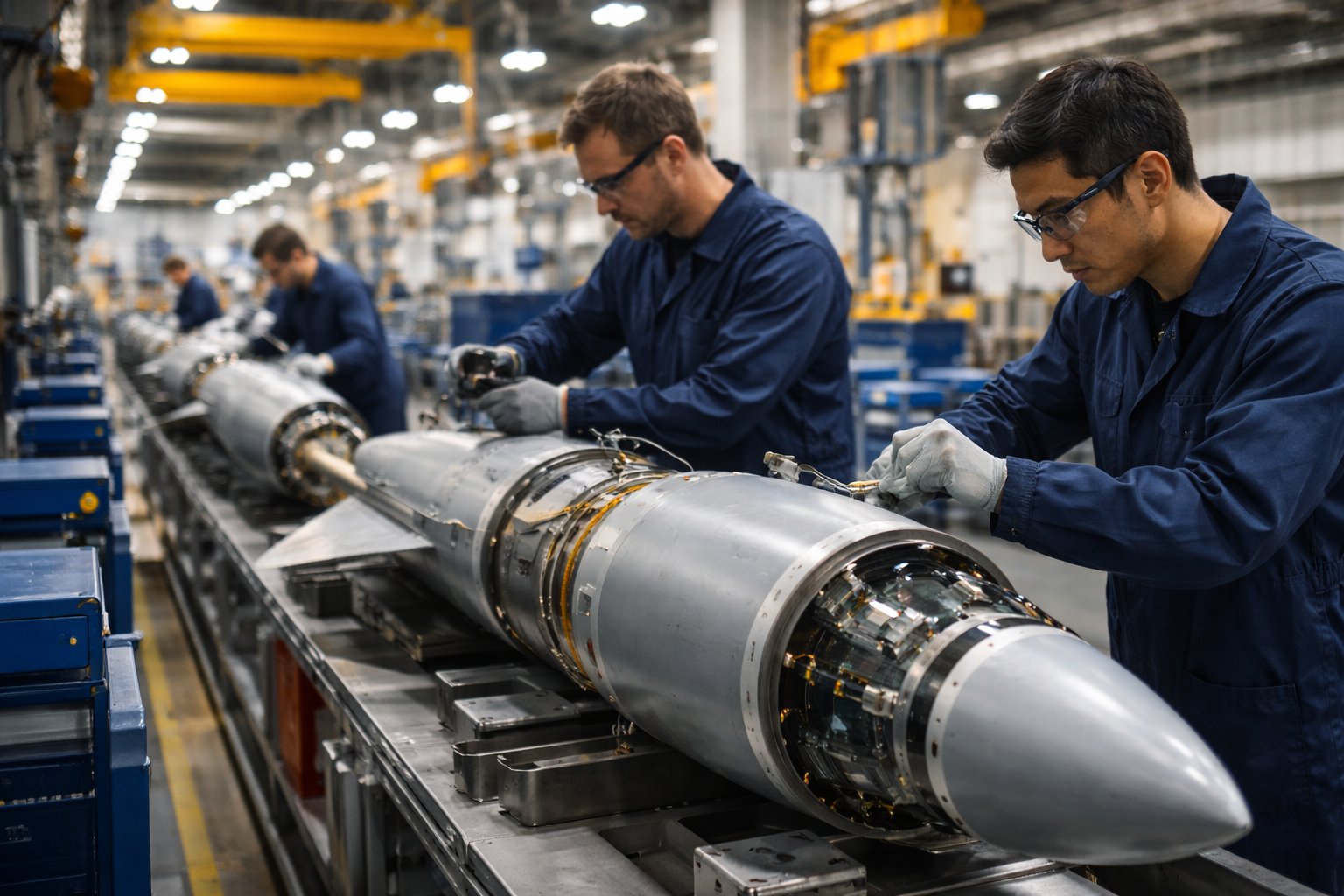
Finland is bringing HIMARS fire-control sustainment inside European industry networks. The Tampere centre will support M270A2 and HIMARS readiness, spares, obsolescence work, and lifecycle services.
-

Ukraine is converting captured Russian weapons into engineering intelligence assets. TrophyLab gives approved partners access to technical data, samples, and research for countermeasure development.
-
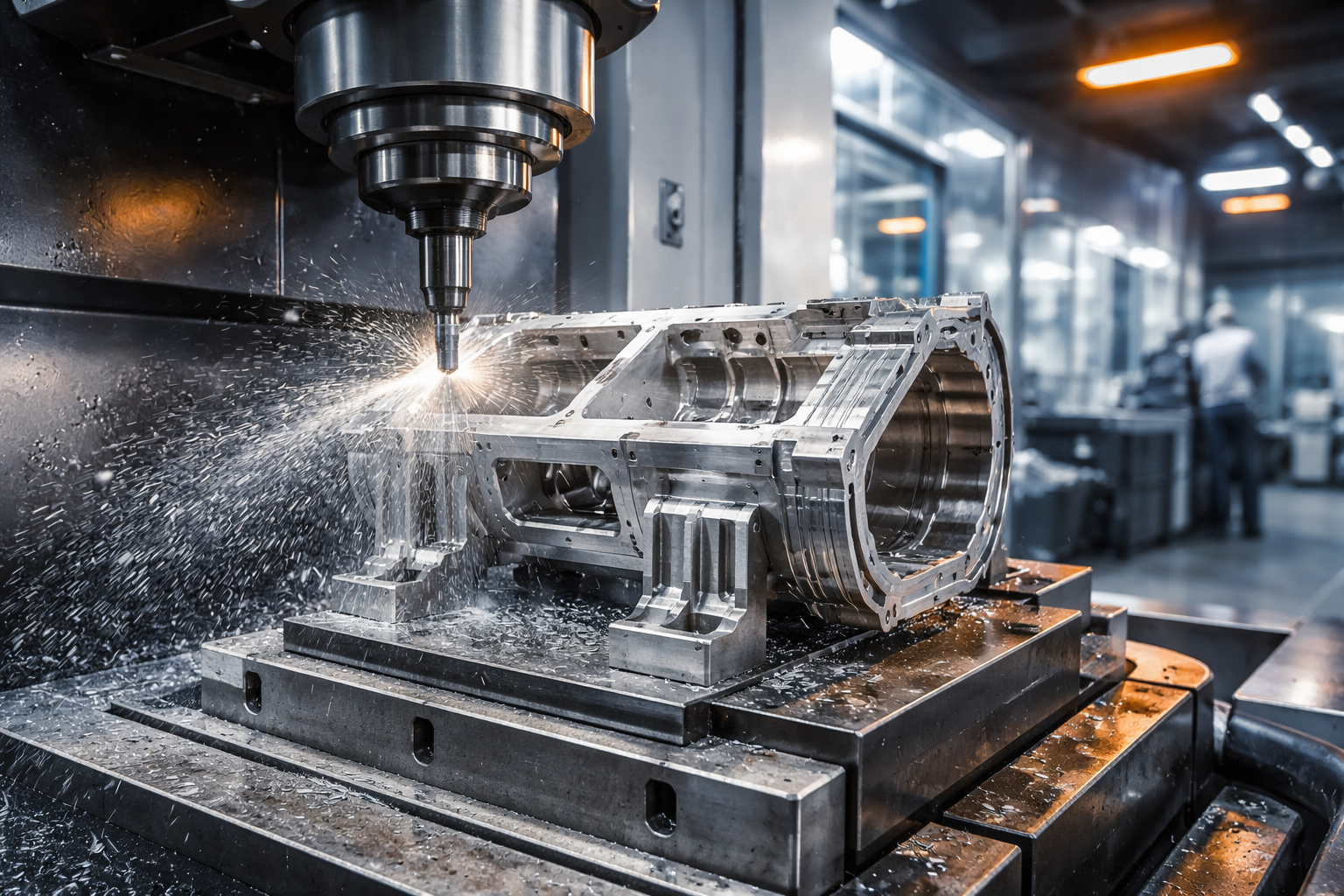
Britain’s combat air demonstrator is now testing the factory itself. The aircraft brings GCAP risk reduction into structures, software, propulsion integration, ejection systems, and digital manufacturing.
-
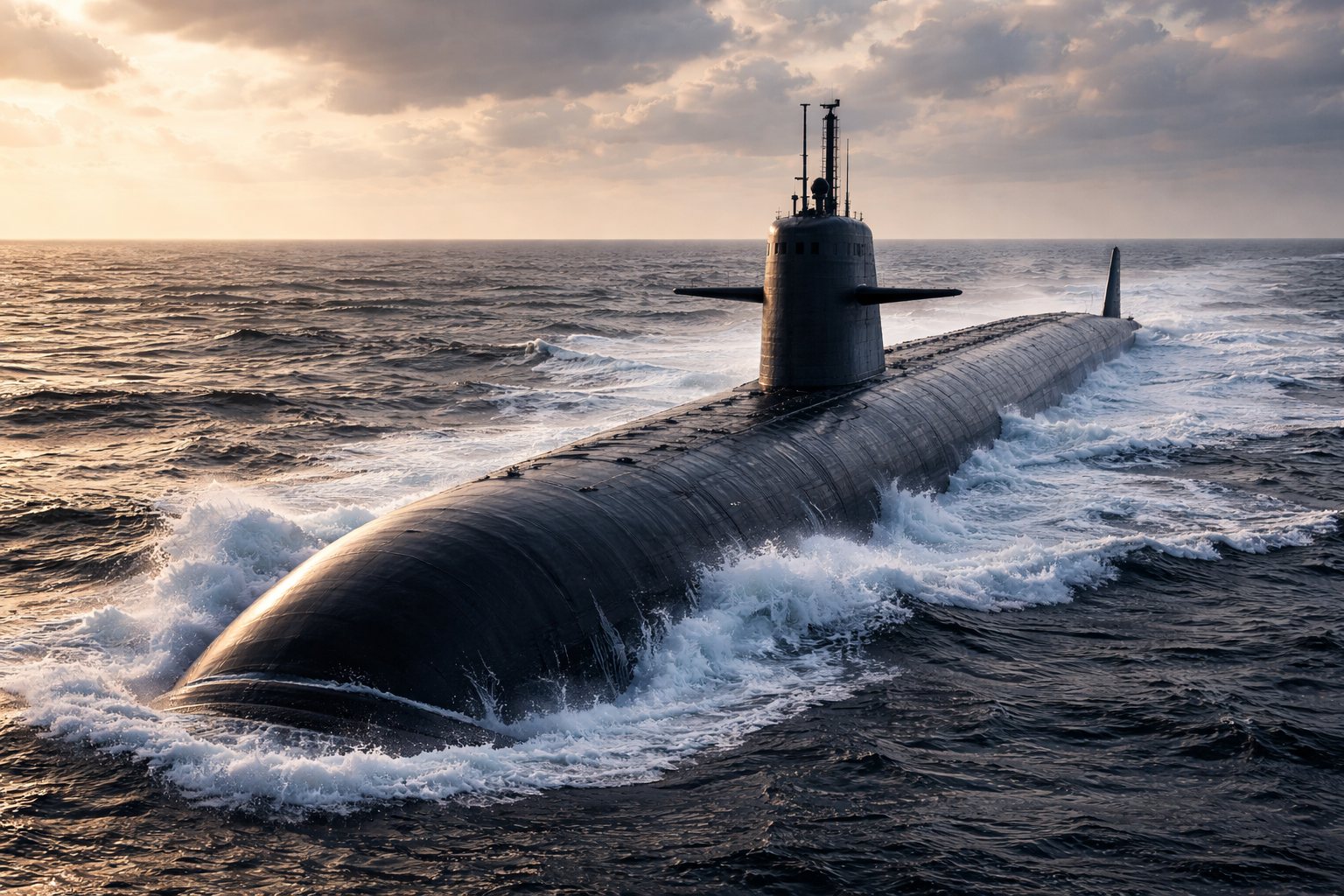
Clyde is now getting submarine spares closer to the dockside. QinetiQ-supported additive manufacturing will support selected parts, legacy components, scanning, and AUKUS-aligned sustainment standards.
-

India wants legacy T-72 tanks to become robotic combat mass. The conversion route could create demand for actuators, sensors, autonomy software, rugged electronics, and remote vehicle-control systems.
-

Korean shipbuilders are turning US capacity gaps into industrial opportunity. The $150bn push links shipyard finance, naval sustainment, workforce pressure, and maritime manufacturing capacity.
-

Hunter prototype blocks are turning ship fitout into production evidence. The Osborne work gives Australia’s frigate programme earlier visibility of routing, access, installation, and workforce constraints.
-

Airbus and Kawasaki will study Eurodrone for Japanese submarine surveillance. The work links long-endurance UAV production with maritime sensors, P-1 integration, and Indo-Pacific ASW demand.
-
The US Army is testing low-profile CROWS on Paladin howitzers. The work links artillery survivability with remote weapons and counter-UAS integration.