
News
-

Elbit is accelerating counter-drone hardware for explosive aerial threat systems. The work reflects a wider production shift toward layered sensing, electronic attack, directed energy, and affordable defeat mechanisms.
-
India’s Su-30MKI jammer upgrade is now moving toward flight evaluation. The programme strengthens domestic airborne electronic warfare production across DRDO, BEL, DARE, and private suppliers.
-
Hanwha Ocean has turned Canada’s submarine competition into pier-side theatre. ROKS Dosan Ahn Changho gives the KSS-III bid a live platform for endurance, production maturity, and sustainment credibility.
-
South Korea has set a nuclear-submarine target for the mid-2030s. The Jang Bogo N plan puts naval reactors, submarine construction, systems integration, and long-term sustainment into a single domestic industrial programme.
-

Teledyne FLIR recognition highlights infrared sensor supply-chain pressure inside defence. Northrop Grumman’s supplier award underlines the production role of high-volume thermal imaging modules across weapons, aircraft, missile defence, and space systems.
-
US Army interceptor work targets air-defence cost pressures directly now. The service is seeking sub-$1 million rounds compatible with Patriot launchers and IBCS to counter mass air and missile threats.
-
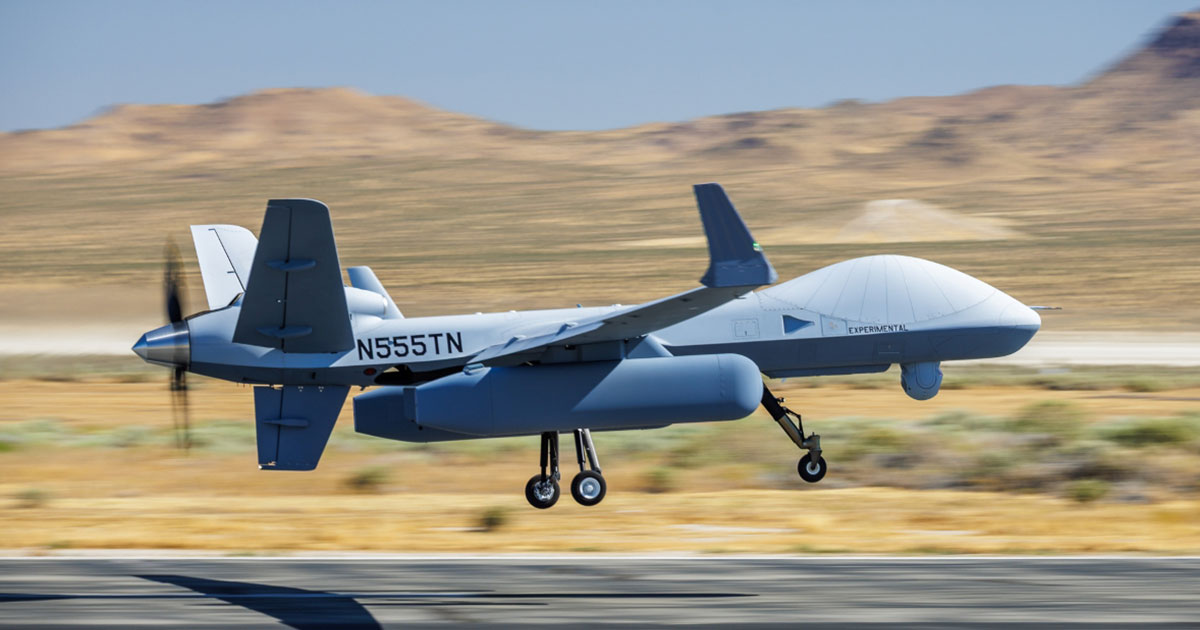
MQ-9B airborne early warning flight advances unmanned surveillance options globally. GA-ASI and Saab have flown AEW pods on an MQ-9B, opening a development path for persistent airborne sensing.
-
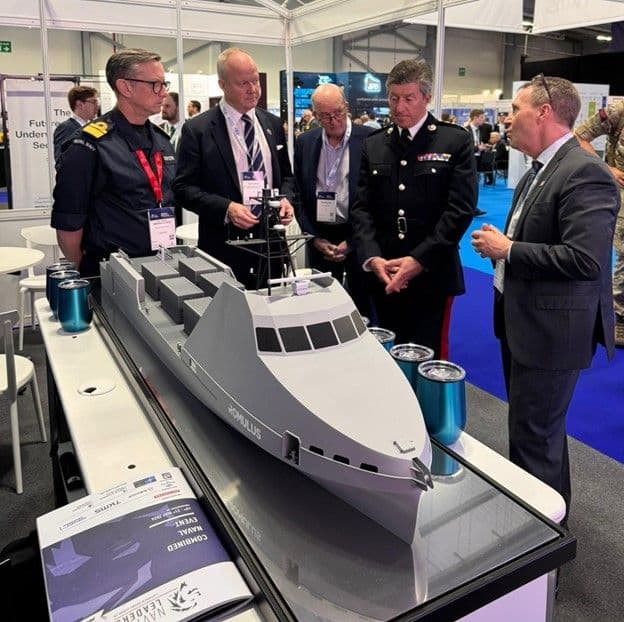
HII has highlighted REMUS and ROMULUS autonomy at Farnborough event. The showcase links unmanned underwater vehicles, autonomous surface vessels, control software, and UK sustainment capacity around allied naval autonomy.
-
Estonia’s IBCS work points toward networked Baltic air defence architecture. Northrop Grumman and TOCI will explore command, infrastructure, and sensor-to-effector integration for Estonia’s air and missile defence modernisation.
-
Germany’s first Quadriga Eurofighter reinforces Europe’s frontline combat-air production base. The Tranche 4 milestone sustains fighter assembly, radar integration, electronics work, and supplier continuity while future combat-air programmes remain contested.