
News
-

The UK is preparing a major funding package for GCAP. The decision would support the next phase of sixth-generation fighter development, keeping design, propulsion, mission systems, and advanced manufacturing work aligned with the 2035 service-entry target.
-

India and South Korea have signed new defence cyber agreements. The partnership strengthens military information-sharing, infrastructure protection, and defence industrial cooperation as both countries expand secure technology links across the Indo-Pacific.
-
Indonesia’s Kizilelma procurement is developing into a wider aerospace industrial strategy, combining Turkish unmanned combat aircraft, local production, MRO capacity, and future manned-unmanned teaming with fifth-generation fighter ambitions.
-
AFSOC will test rapid disassembly and reassembly of the OA-1K Skyraider II in an operational environment, putting deployability, modularity, austere support, and low-footprint aircraft sustainment at the centre of the programme.
-
Sweden’s selection of Naval Group’s FDI frigate for the future Luleå class strengthens Franco-Swedish naval cooperation while exposing the hard production trade-offs facing European shipbuilders competing on delivery speed, design maturity, and air-defence integration.
-
Moog and Supacat’s Raven 5 concept takes the UK’s rapid air-defence adaptation work toward a more mobile, production-ready configuration, combining ASRAAM missiles, a flexible launcher, and a current-production HMT 600 vehicle.
-
Taiwan’s Red Falcon II anti-armour rocket strengthens domestic production of portable infantry weapons, with improvements in penetration, weight, range, and night-fighting capability aimed at coastal, urban, and distributed defence.
-
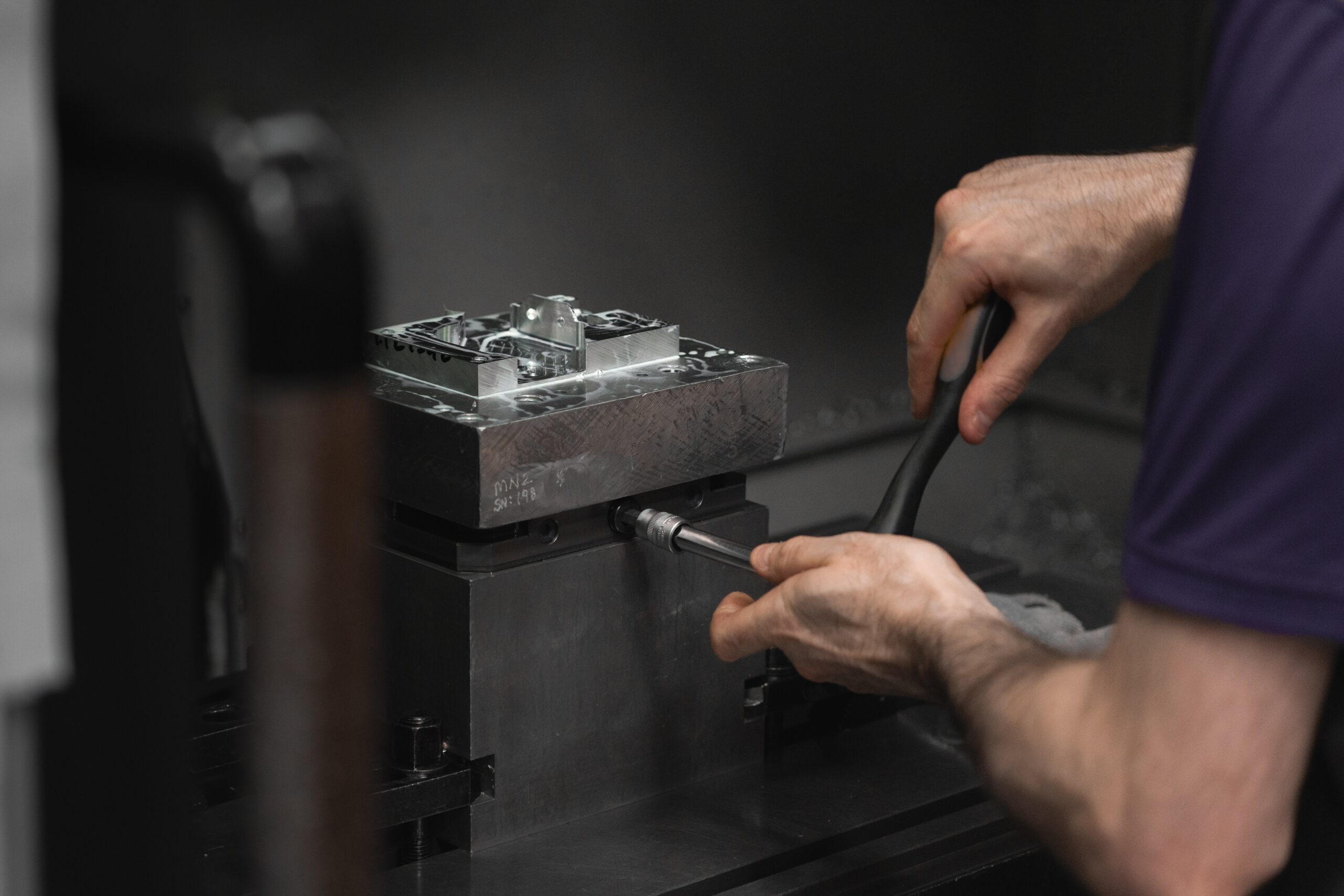
Aerospace growth has lifted UK manufacturing output despite inflation pressure. The sector led annual gains, while energy costs and labour constraints continued to squeeze real productivity.
-
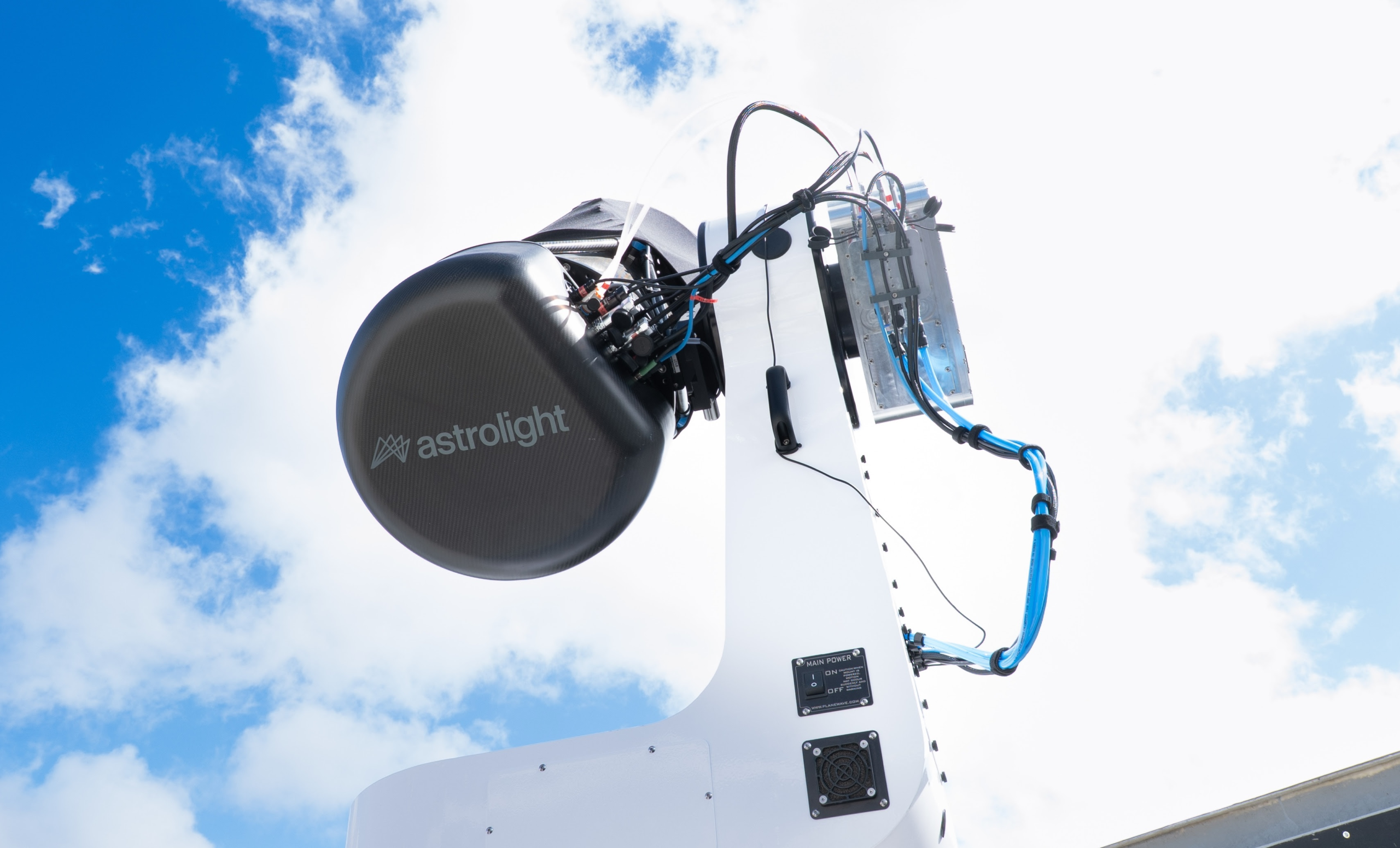
Astrolight has commissioned Greece’s Holomondas optical ground station for CubeSats. The site will support high-speed laser communications under ESA-backed Greek connectivity work.
-
Saronic is preparing to support Taiwan’s unmanned maritime requirements with autonomous surface vessels and AI-enabled command-and-control, adding another layer to Taiwan’s fast-expanding domestic and partner-supported maritime defence production base.