IN Brief:
- UK manufacturing output rose 1.4% over 12 months to £159.4bn in Q1 2026.
- Aerospace led the increase, with aircraft, spacecraft, and related machinery output up 12.1% year on year.
- Inflation, energy prices, and a smaller workforce continue to shape productivity pressure across the industrial base.
UK manufacturing output increased by 1.4% over the last 12 months to reach £159.4bn in Q1 2026, with aerospace delivering the strongest sectoral contribution as inflation and energy costs continued to pressure real productivity.
Analysis of ONS data by FourJaw Manufacturing Analytics put the annual increase at £2.2bn. Growth was led by a 12.1% year-on-year rise in aerospace output, covering aircraft, spacecraft, and related machinery. The sector delivered £8.6bn of output in the first three months of 2026, a £929m increase on the previous year.
The wider manufacturing picture remains uneven. Food production rose 2.7%, computer, electronic, and electrical product output increased 3.4%, and textiles, apparel, and leather products were up 2.0%. Chemicals and pharmaceutical preparations also posted gains, alongside a smaller rise in alcohol and tobacco production.
Automotive output fell 3.3% year on year, although the first quarter still improved against the final quarter of 2025. Coke and refined petroleum products recorded the sharpest decline, with output down 12.2% despite a 14.6% price rise in March. FourJaw linked the movement to a wider crude oil price shock and rising energy cost pressure connected to conflict in the Middle East.
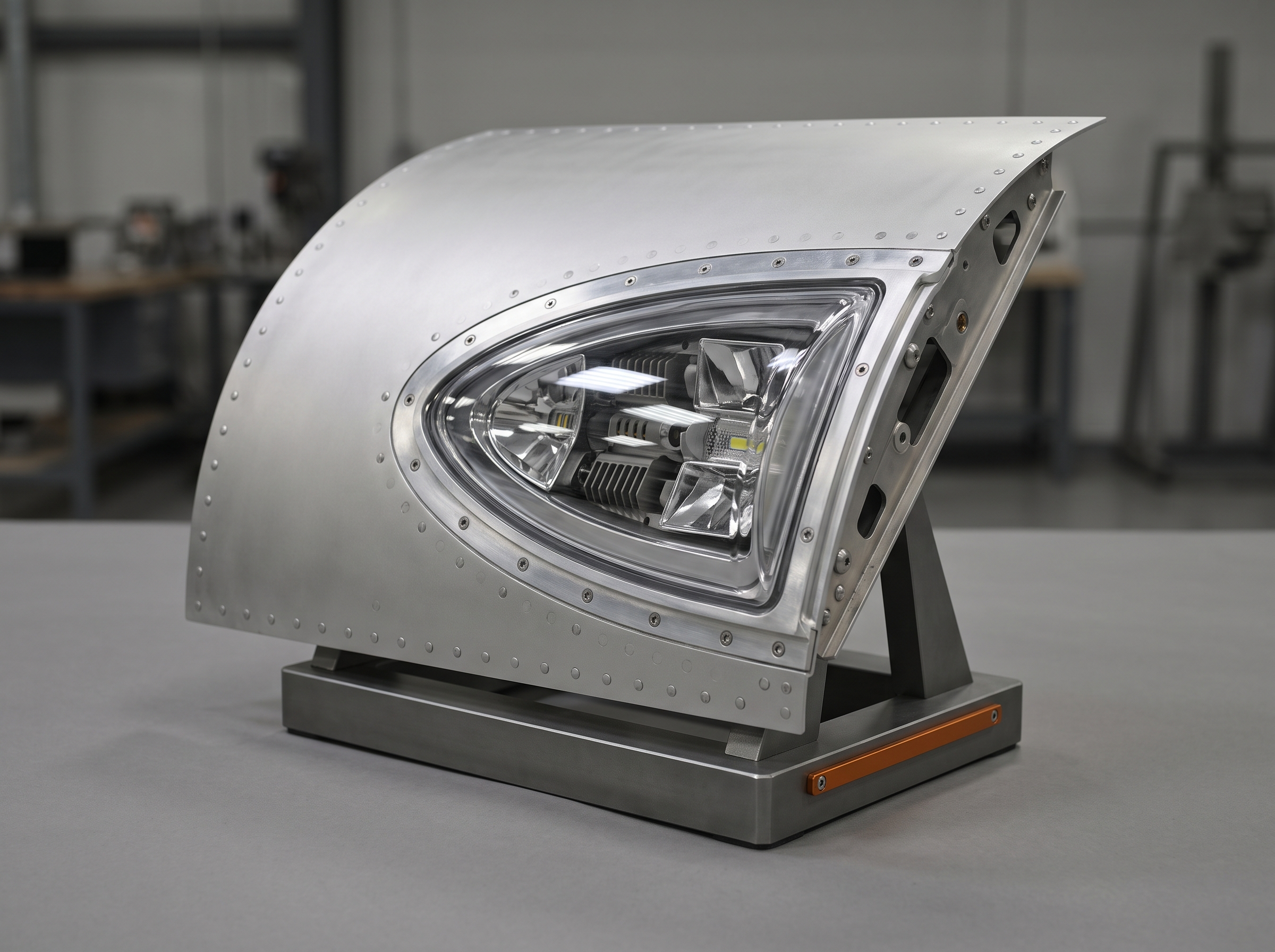
Aerospace is the clearest defence-relevant signal in the data. A 12.1% rise in aircraft, spacecraft, and related machinery output suggests that UK aerospace is providing real support to manufacturing growth while other sectors remain inconsistent. Defence aviation, space systems, propulsion, sensors, components, and commercial aerospace recovery all feed into the industrial ecosystem that defence programmes rely on.
The growth figure should not be mistaken for spare capacity. Aerospace production is labour-intensive, capital-intensive, and heavily regulated. Output gains require qualified suppliers, machine availability, inspection capacity, certified materials, skilled technicians, and production planning that can absorb long lead times. Inflation can lift nominal output while masking pressure on margins, investment, and real productivity.
FourJaw’s analysis indicates that overall productivity fell by 1% after adjusting for price increases. Official figures also suggest there are 50,000 fewer people working in UK manufacturing than a year ago, while output per worker has risen due to efficiency gains. The result is a sector producing more value with fewer people, but not necessarily one with more resilience.
That is the challenge facing defence manufacturing. Governments want faster production, greater sovereign resilience, and more responsive supply chains, yet factories are being asked to deliver those outcomes while energy costs, labour shortages, and inflation erode investment headroom. Aerospace may be growing, but its suppliers still face pressure around materials, machine utilisation, working capital, and skilled recruitment.
Several UK aerospace and defence manufacturing developments point in the same direction. Rolls-Royce’s defence additive manufacturing cell in Bristol moved advanced component production closer to controlled military engine applications, while the first GCAP international contract placed Edgewing into live design and engineering work. Those programmes strengthen parts of the sector, but they also increase demand for skills, suppliers, inspection, and digital manufacturing maturity.
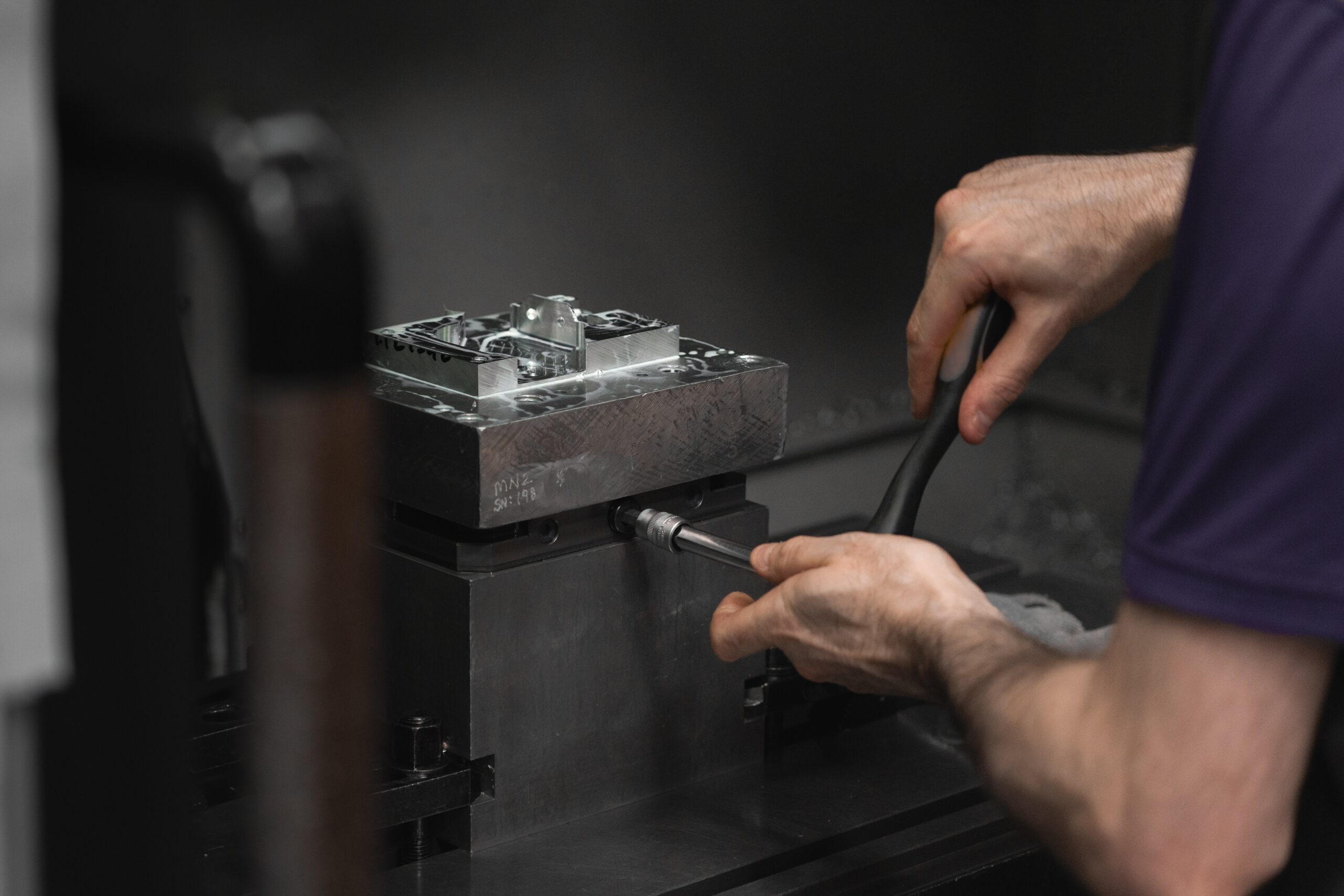
Efficiency is becoming a central industrial requirement. New factories and production lines are expensive and slow to bring online. Many manufacturers will have to extract more output from existing machines, staff, and floor space before larger capital programmes take effect. Better scheduling, reduced idle time, fewer bottlenecks, stronger data visibility, and disciplined maintenance planning are becoming as important as new capacity announcements.
Energy costs add another constraint. Aerospace and defence suppliers often rely on CNC machining, heat treatment, composites work, inspection equipment, clean environments, and test infrastructure. These processes consume energy and cannot always be shifted easily to lower-cost periods without disrupting production flow. If energy prices rise sharply, manufacturers have less cash available for plant upgrades, hiring, and process improvement.
The automotive decline also deserves attention beyond that sector. Many UK precision engineering companies serve multiple markets. Weakness in automotive can free some capacity, but it can also weaken suppliers that aerospace and defence may need. A resilient defence industrial base is not isolated from civilian manufacturing; it draws on the same machinists, electronics assemblers, quality engineers, materials suppliers, and logistics networks.
The aerospace boom is therefore positive, but not comfortable. It shows that the UK retains a strong high-value manufacturing base, while exposing the limits of nominal growth during inflationary pressure. Defence programmes that depend on aerospace output will need close attention to supplier health, workforce availability, energy exposure, and productivity technology.
Turning aerospace growth into durable defence capacity will require factories that can keep machines running, hold skilled people, qualify suppliers, and invest before the next bottleneck becomes visible.