IN Brief:
- Rolls-Royce has opened an additive manufacturing development cell at its Defence Assembly and Operations facility in Bristol.
- The MoD-backed cell will manufacture critical components for next-generation aircraft engines.
- The facility supports GCAP and future combat propulsion by reducing lead times, cost, material waste, and component weight.
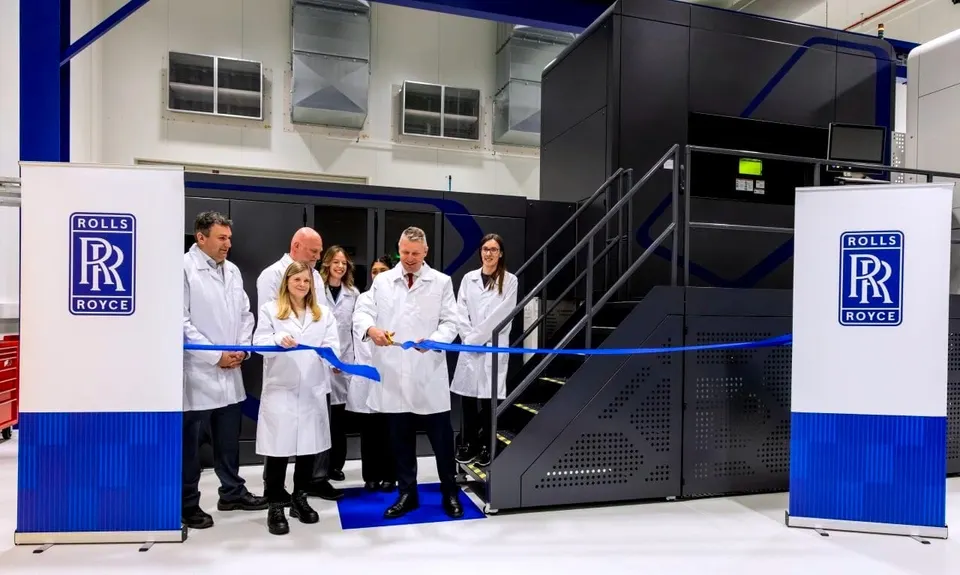
Rolls-Royce has opened a new Additive Manufacturing Development Cell at its Defence Assembly and Operations facility in Bristol, expanding UK manufacturing capability for next-generation military aircraft engine components.
The Ministry of Defence-backed cell uses advanced additive manufacturing technology to produce critical components for future aircraft engines. The facility is housed in a custom-built 350m² controlled environment, with humidity, temperature, and air pressure managed to support consistent production quality.
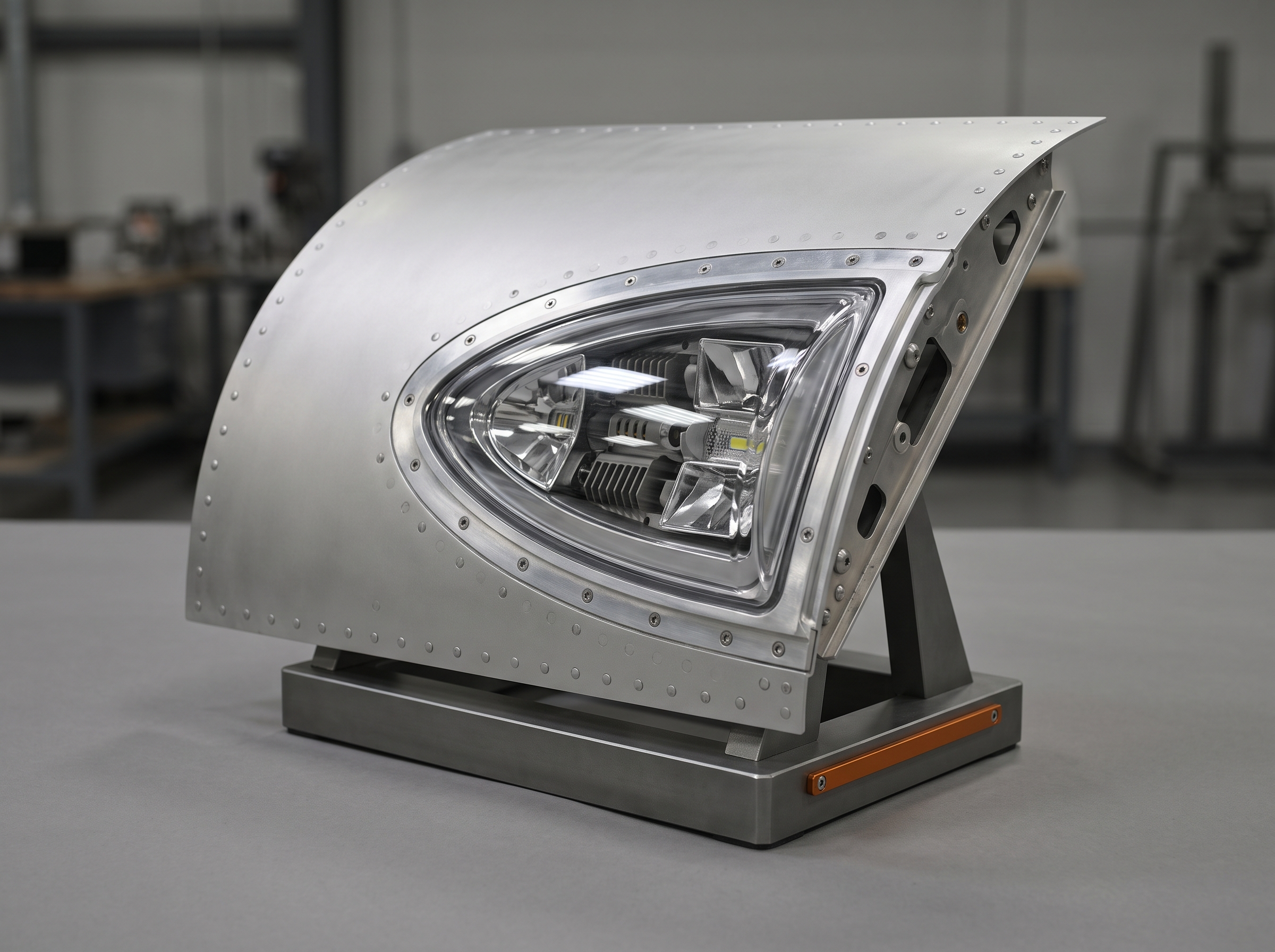
The cell will manufacture complex metal components layer by layer using metal super-alloy powders and laser-based melting processes. Rolls-Royce has linked the investment to the Global Combat Air Programme, future combat power and propulsion, and wider defence applications across the company.
Additive manufacturing can produce geometries that are difficult or uneconomic through conventional machining, casting, or fabrication. In propulsion systems, that can support lighter components, improved cooling features, fewer sub-assemblies, and shorter development cycles.
Controlled production environment
The Bristol cell moves additive manufacturing closer to controlled aerospace production rather than small-batch experimentation. Engine components have to meet demanding requirements for repeatability, powder quality, dimensional accuracy, surface finish, fatigue behaviour, inspection, and traceability.
The controlled environment is central to that process. Metal powder handling, laser process stability, build-chamber conditions, post-processing, non-destructive testing, and process qualification all determine whether additively manufactured parts can move into safety-critical aerospace applications.
The equipment and production system also show how future sovereign capability is likely to work in practice. UK propulsion capability can depend on international machine tools while retaining domestic control over application, process knowledge, workforce skills, part qualification, and production output.
GCAP propulsion manufacturing
Future combat aircraft will place heavy demands on propulsion systems, including power density, thermal management, fuel efficiency, electrical generation, maintainability, and growth capacity. Additive manufacturing gives engine designers another route to manage those constraints.
The Bristol cell gives Rolls-Royce a local environment where engineers can refine parts, shorten lead times, reduce material waste, and build manufacturing knowledge alongside design work. The site already supports military combat and transport propulsion, making it a natural location for future combat air production development.
The next stage is qualification discipline. Additive manufacturing will only change defence engine production if parts can move from development builds to repeatable, inspected, and approved production routes. In future combat air, manufacturing speed has to sit alongside certification control.