IN Brief:
- Singularity and Naval Air Warfare Center Weapons Division completed a solid rocket motor static firing under a cooperative research agreement.
- The company reports approximately three months between initial design and the test.
- The planned interceptor has not yet been fully unveiled and no Navy production contract was disclosed.
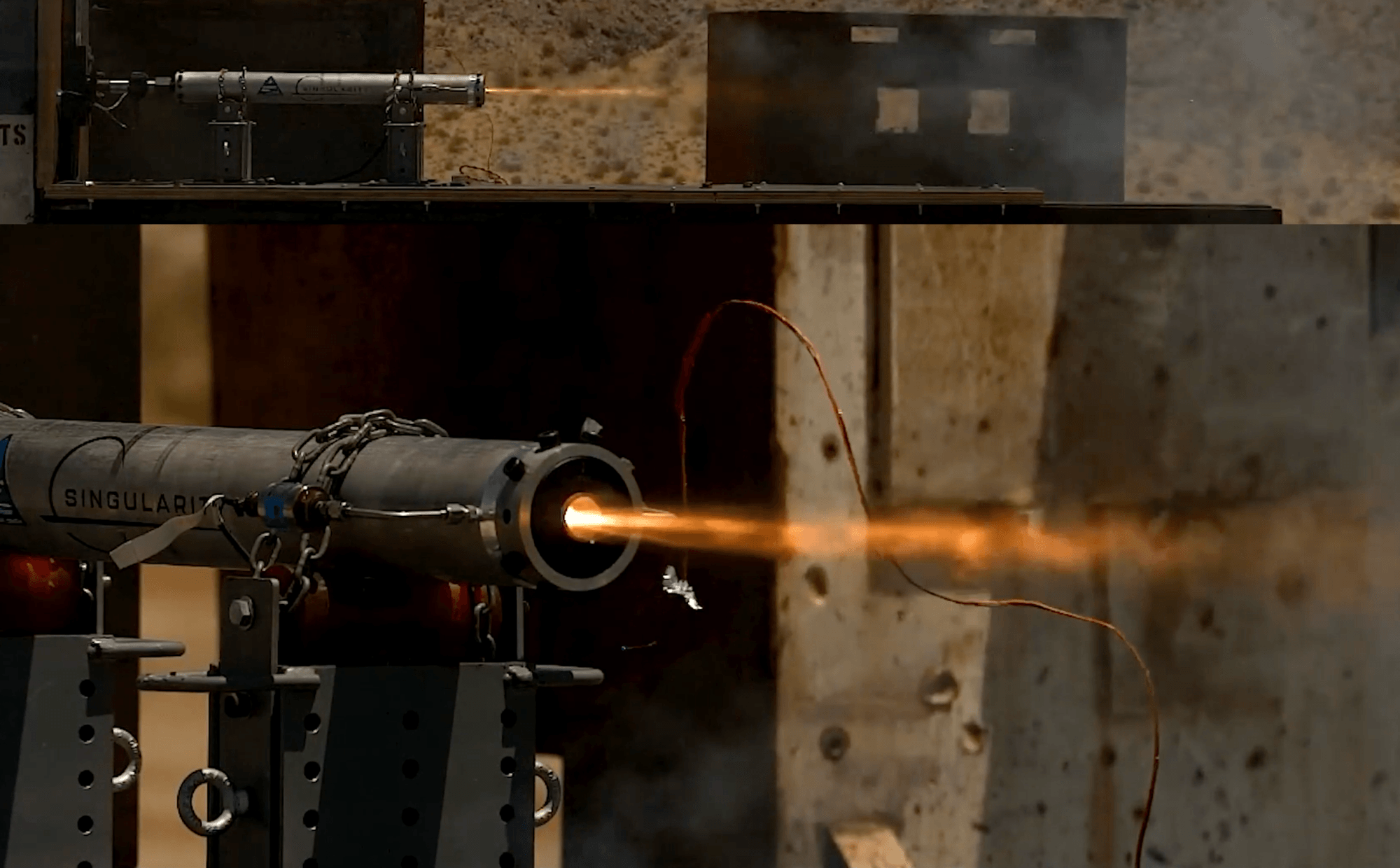
Singularity has reported a successful static firing of a solid rocket motor developed with the US Navy’s Naval Air Warfare Center Weapons Division, advancing propulsion work for a planned tactical air defence interceptor. The 22 October announcement places the design-to-test interval at approximately three months. The motor is intended for an interceptor family that the company has not yet fully unveiled, and no order for completed missiles was disclosed alongside the test.
Development is being conducted under a Cooperative Research and Development Agreement with the Navy’s weapons research organisation at China Lake. The agreement allows government and commercial teams to work together on research and testing while retaining distinct responsibilities for later procurement decisions. Singularity and the centre are pursuing a motor suited to eventual larger production volumes, but the public announcement does not identify a funded acquisition programme or an operational customer commitment.
During a static firing, a motor is secured in a test installation and operated without launching a complete vehicle. Instrumentation can capture evidence about propulsion behaviour and the test article’s response, allowing engineers to compare observations with design expectations. The reported result is an important physical test of the motor, although the release does not provide thrust traces, burn duration or a detailed data set. Flight performance and control of a complete interceptor will require separate demonstrations.
The intended application is tactical air defence, particularly the interception of uncrewed aircraft. Such systems must combine propulsion with sensing, guidance, launch equipment and a suitable method of defeating a target. Singularity describes its motor in strong performance terms, but publishes no dimensions, verified range contribution or comparable test results against existing interceptors. The October milestone therefore establishes a successful test event, while any comparative performance claim remains the developer’s own assessment.
According to Singularity, the team reduced the interval from a clean-sheet motor concept to static firing from a conventional year-long process to roughly three months. That comparison concerns the specific design-to-test phase rather than the full missile development cycle. Moving to a physical trial more quickly can bring measured data into subsequent engineering decisions, but qualification, production acceptance and the integration of propulsion with the rest of the interceptor are still separate tasks.
Integration will impose requirements on the shape, mass and operating conditions of the motor. Guidance electronics and control equipment must function with the loads and thermal environment generated by a launch, while the complete weapon must interface with its launcher and wider detection or command system. The current test did not demonstrate tracking, controlled flight or an engagement against an airborne target. Singularity’s planned interceptor design will need to be assessed as those additional systems become available.
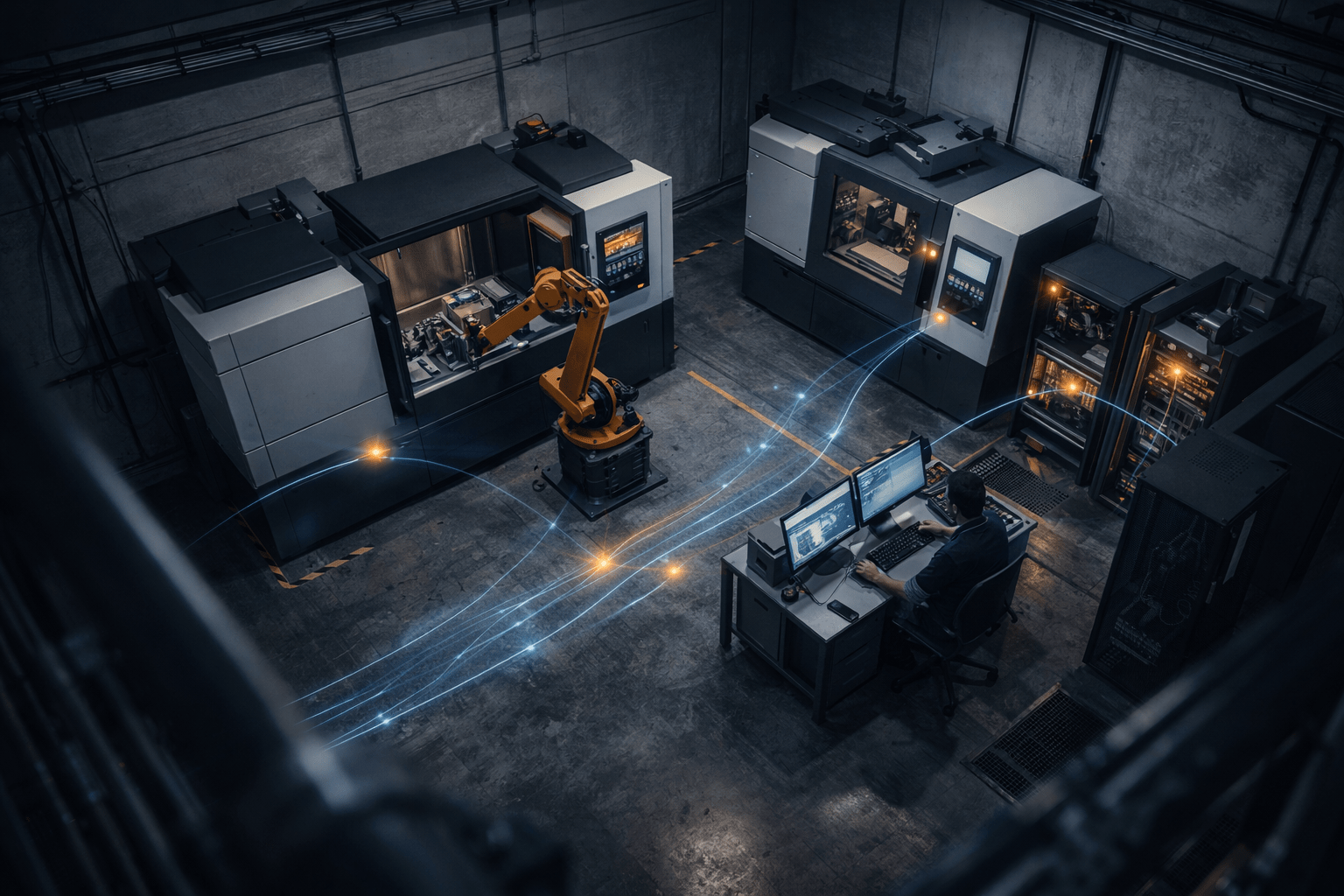
The division of work joins laboratory development with the practical demands of commercial production. NAWCWD provides propulsion and weapons research expertise, while Singularity says it is building manufacturing capability around the emerging design. Such collaboration can allow production constraints to be considered while test articles are still being evaluated, before drawings and materials are fixed for an eventual manufacturing process. The partners have not identified the division of future production responsibilities or a procurement route for the completed interceptor.
Manufacturing plans include an assembly line influenced by automotive production principles and a preference for developing major subsystems internally. Singularity argues that this approach could help it respond to demand for lower-cost interceptors at greater volumes. Turning an early test article into a repeatable product, however, will depend on validated designs, reliable component supply, inspection standards and demonstrated consistency between production units. The company has not published a qualified production rate.
Retaining major subsystem work in-house changes where manufacturing risk sits: the company would need consistent incoming materials, documented process controls, reliable inspections and evidence that separate production batches meet the same acceptance criteria. The safety and quality demands associated with energetic materials add a further constraint to scaling a motor beyond early test articles. Singularity has not yet disclosed operating throughput, acceptance results across repeated builds or confirmed delivery dates for finished interceptors.
Singularity’s immediate achievement is a successful motor test under the Navy research agreement, reached on the company’s reported accelerated schedule. Its next technical evidence will come from further propulsion qualification and tests of the complete interceptor, followed by any production and procurement decisions. The October disclosure provides a development milestone and manufacturing ambitions, with system performance and delivery scale still to be demonstrated.