IN Brief:
- Sweden's Defence Materiel Administration contracted BAE Systems Bofors for four replacement 57Mk3 naval guns and associated 57mm 3P ammunition.
- FMV specifies deliveries during 2028 and 2029, with training and other introduction services included in the contracts.
- The new guns will replace systems aboard existing Swedish Navy vessels, which FMV has not named publicly.
BAE Systems Bofors has secured a contract from Sweden’s Defence Materiel Administration, FMV, to supply four Bofors 57Mk3 naval guns, 57mm 3P ammunition and introduction services for naval vessels already equipped with earlier gun systems.
FMV’s procurement disclosure confirms that the four weapons will replace existing shipboard guns and that deliveries are planned during 2028 and 2029. The contract also includes training and other introduction activities, in addition to the ammunition procurement. Neither the receiving vessels nor the total contract value have been disclosed.
The award was announced on 21 October 2026 and provides Sweden with a further acquisition within an established naval gun family. The 57Mk3 is a fully automatic medium-calibre weapon designed for air defence, engagements against surface targets and naval fire support, with programmable ammunition supporting different engagement conditions.
Replacing an installed naval weapon involves more than supplying a new cannon. Engineers must examine the ship’s existing foundations, electrical distribution, equipment access and combat-system interfaces to determine the work required to accommodate the replacement system.
A gun’s location and operating envelope affect nearby structures and ship equipment. The installation must allow the mounting to train and elevate safely through its intended arcs, while foundations and fastening arrangements must withstand the forces generated during weapon operation.
The selected vessels have not been named, so the precise integration work cannot be determined from the public announcement. Some existing structures and systems may be compatible with the new equipment, while other arrangements may require adaptation or replacement following detailed engineering assessment.
The 57Mk3 is intended to provide a combination of firing capacity and engagement flexibility within a comparatively compact naval mounting. A shipboard gun has to operate while the vessel moves through the water, with pitch, roll and heading changes altering its relationship to the target.
Fire-control equipment combines information about target position and motion with the weapon’s own orientation to establish an aiming solution. The mounting then has to achieve the required training and elevation while accounting for the ship’s movement and the characteristics of the ammunition being used.
Aerial, surface and shore targets create different requirements for the calculation and the intended projectile effect. An aircraft or drone may cross the ship’s field of view rapidly, while a small surface vessel can manoeuvre against a moving sea background. A fixed position ashore introduces different location, ranging and firing considerations.
BAE Systems’ 57mm 3P ammunition supports several of these functions through an electronically programmable fuze. The designation refers to pre-fragmented, programmable and proximity-fused ammunition, combining fragmentation effects with settings that can be selected for the target and engagement conditions.
The manufacturer identifies six programmable functioning modes for its 57mm 3P ammunition. The fuze settings are transferred from the associated fire-control equipment immediately before firing, providing different functioning arrangements without requiring a separate basic ammunition type for every category of target.
A proximity function allows a projectile to operate when it approaches a target under the applicable conditions, rather than relying exclusively on direct impact. The pre-fragmented construction influences the distribution of the projectile’s effect, while other settings allow the ammunition to be configured for different applications.
The effectiveness of any configuration depends on the accuracy of target information, fuze programming and the weapon’s firing solution. A published system capability is not an independently measured probability of defeating a particular threat, and no performance statistics for the Swedish replacement programme have been released.
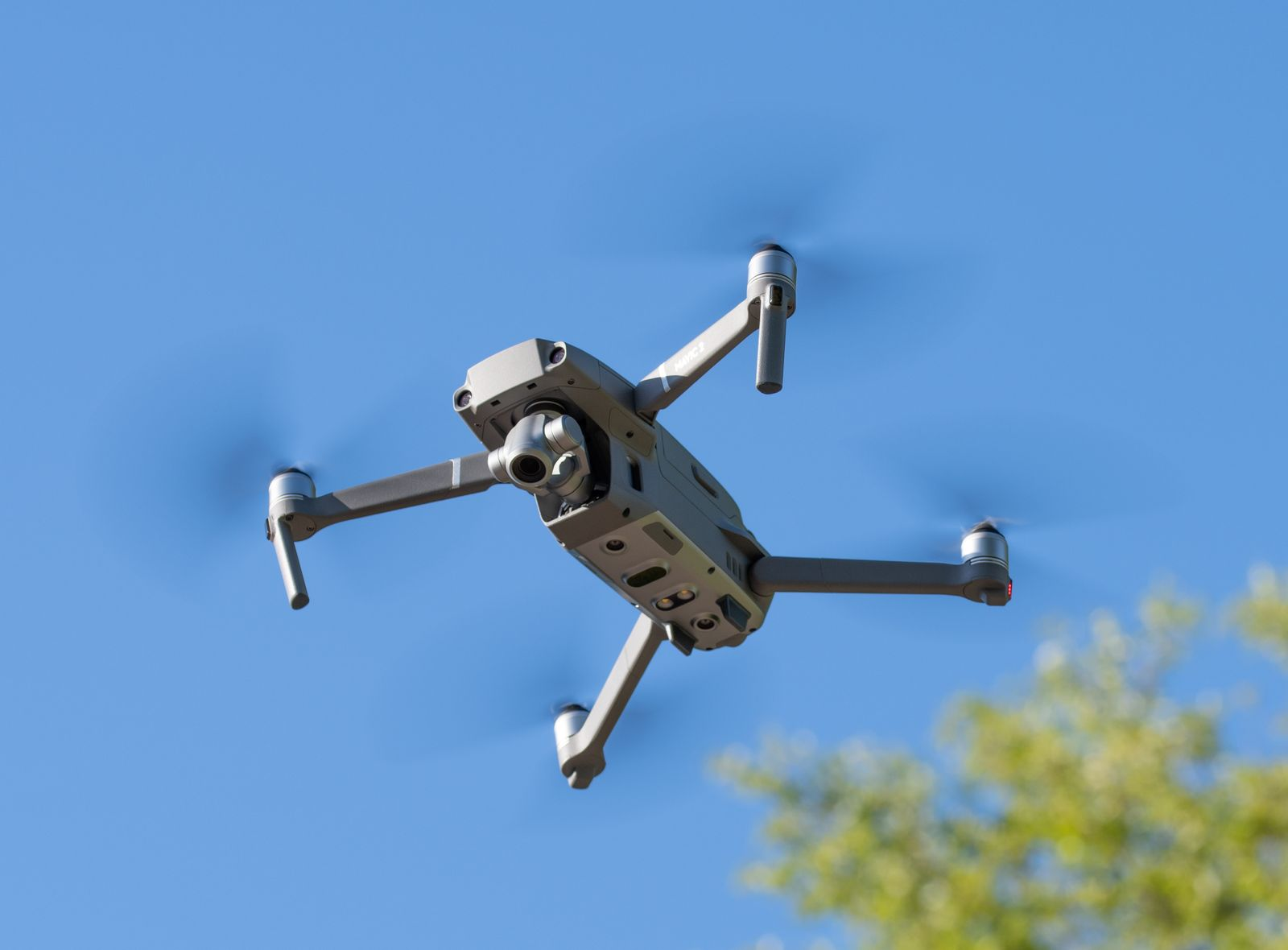
Small uncrewed aircraft have increased the range of potential targets that shipboard defence systems must address. Their size, speed and movement can complicate observation and engagement, while other nearby traffic and structures may constrain the use of weapons in congested waters.
The 57Mk3 also supports engagements against appropriate surface threats and naval fire support. These tasks can involve different target characteristics and ammunition settings, making integration of the weapon with the receiving ship’s sensors and control equipment central to the final capability.
Manufacturing the gun involves mechanical assemblies, electrical drives, automated ammunition-handling equipment and control electronics. These components must operate together under vibration, repeated loading and the environmental conditions encountered during naval service.
Programmable ammunition introduces its own manufacturing and assurance requirements. Electronic fuze assemblies and energetic components must meet approved specifications, while test and inspection processes need to establish consistent behaviour across production batches.
The contract’s training and introduction services are relevant to the transition from existing guns to the new configuration. Operators must understand the fire-control and ammunition arrangements, while maintainers require procedures for inspecting, servicing and diagnosing the mechanical and electronic systems.
Technical documentation, initial spare parts and qualification activities may also be involved in placing a new weapon into service, although FMV has not provided a complete breakdown of the services purchased. The existence of an introduction package should not be interpreted as confirmation of particular training hours, spare parts quantities or site work.
BAE Systems Bofors manufactures weapon and ammunition technology in Sweden, and the 57mm gun family already has a history in Swedish naval service. FMV has previously ordered 3P ammunition, providing an established industrial and support background for the current acquisition.
The contract value, ammunition quantity and ship assignments remain undisclosed. Delivery during 2028 and 2029 gives a defined procurement timetable, but the dates on which each receiving vessel will complete installation and return to service have not been announced.
The next milestones will involve production, delivery and integration of the four systems, together with the training and introduction work required for their use. FMV’s identification of the receiving vessels will establish the specific scope of Sweden’s naval gun replacement programme.