IN Brief:
- StormBreaker will provide an interim UK F-35B stand-off strike option before SPEAR 3 enters service.
- The weapon is already integrated on US platforms and is being brought into the wider F-35 weapons ecosystem.
- The decision highlights the pressure created when aircraft, software, and weapon integration timelines drift apart.
The UK has approved StormBreaker as an interim stand-off weapon for its F-35B fleet, giving the Royal Air Force and Royal Navy a near-term precision strike option while MBDA’s SPEAR 3 moves toward service in the early 2030s.
StormBreaker, also known as the GBU-53/B Small Diameter Bomb II, is a network-enabled glide weapon produced by Raytheon, an RTX business. Designed to engage moving and stationary targets in poor weather and low-visibility conditions, the weapon uses a multi-mode seeker and can be carried internally on stealth aircraft. For the F-35B, that compact form is especially valuable because internal carriage helps preserve the aircraft’s low-observable profile.
The decision addresses a practical gap in the UK’s carrier strike weapons mix. The F-35B has entered service as the centre of the UK’s embarked combat air capability, but the weapon integration path has not kept pace with platform ambition. SPEAR 3 remains the intended future British stand-off weapon for the Lightning force, yet the fleet requires credible precision options before that programme reaches operational maturity.
StormBreaker gives the UK access to an established US weapon and integration pathway. That offers speed, but it also illustrates the dependency created by fifth-generation aircraft ecosystems. Advanced combat aircraft cannot simply accept national weapons on demand. Each store requires software work, flight testing, clearance, carriage assessment, mission-system integration, handling procedures, and sustainment planning.
The industrial effect is felt across both the US and UK supply chains. Raytheon gains another international user for a weapon already moving through US service integration, while the UK gains a quicker route to additional F-35B strike capability. At the same time, the purchase places sharper focus on the schedule pressure around European missile development and integration, particularly where national weapons are expected to deliver sovereign capability but arrive later than the aircraft they are intended to arm.
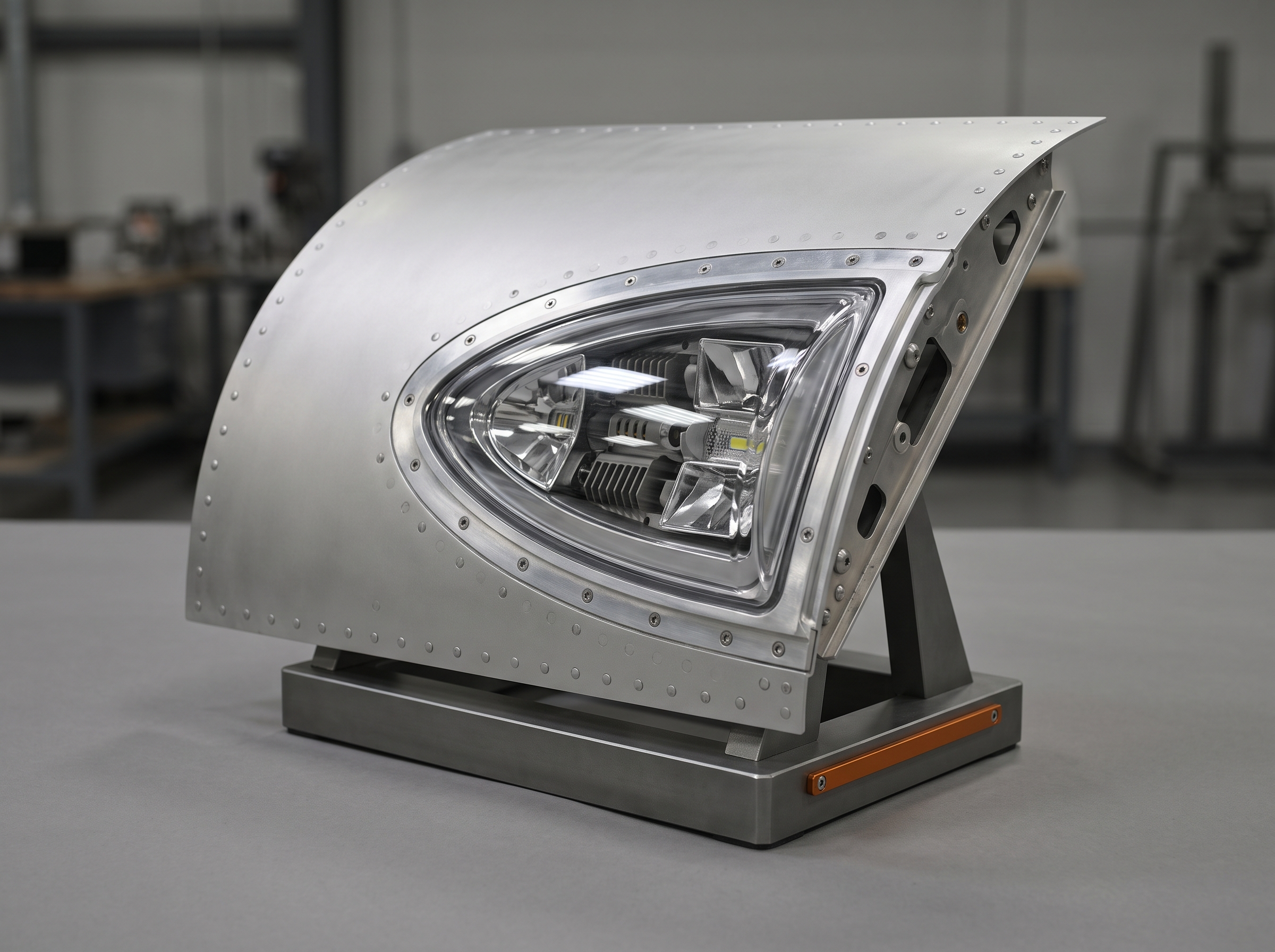
Modern airpower is increasingly defined by the relationship between platform, payload, software, and sustainment. Engine and mission-system development pressures can be seen in programmes such as the XA102 adaptive engine, where GE advances XA102 adaptive engine build showed how future combat aircraft requirements are pushing propulsion, power, cooling, and integration boundaries. StormBreaker belongs to a different part of the aircraft ecosystem, but it reflects the same pattern: capability is created through integration as much as through the individual product.
Manufacturing the weapon is only one part of the requirement. StormBreaker production involves seeker assemblies, guidance electronics, wings, control surfaces, warhead manufacture, environmental qualification, software support, and batch-level quality assurance. Export users also need storage systems, transport containers, handling equipment, mission-planning tools, maintenance procedures, training support, and documentation adapted to national use.
For the UK’s F-35B force, the operational gain is flexibility. A compact precision weapon allows aircraft to carry multiple effects internally and service more targets per sortie than larger single-store weapons. Its moving-target and adverse-weather capabilities align with the type of targets the F-35’s sensors may be expected to find and track, including mobile air defence systems, vehicles, small maritime targets, and relocatable command nodes.
Carrier strike brings another layer of demand. HMS Queen Elizabeth and HMS Prince of Wales rely on the F-35B as their combat air arm, but the value of embarked airpower depends on aircraft availability, weapon stocks, integration status, and replenishment capacity. An interim weapon improves the fleet’s near-term options, while adding another inventory and support burden that planners will need to manage alongside existing weapons.
The choice also illustrates a wider procurement reality. Aircraft now remain in service across multiple weapon generations, software blocks, and mission-system refreshes. Operators have to decide whether to wait for ideal national weapons, adopt interim allied systems, or carry capability gaps until integration work catches up. Each option carries cost, dependency, and schedule consequences.
For UK industry, the decision may add urgency to SPEAR 3’s integration path rather than reduce its relevance. StormBreaker can bridge an immediate requirement, but it does not replace the strategic value of a sovereign European stand-off weapon developed for UK needs. The longer-term question is whether future British combat-air capability can avoid similar mismatches between aircraft delivery, software baselines, and weapon availability.
StormBreaker gives the F-35B fleet a more credible near-term stand-off option. It also exposes the industrial reality behind modern air weapons procurement: production lines, aircraft software, international certification, stockpile depth, and sustainment planning all have to move together before a weapon becomes a usable operational capability.