IN Brief:
- The unnamed defence customer has ordered two Zorronet thermal sensing and local AI processing units for further field testing.
- Zorronet is responsible for the software, integration, assembly, enclosure design and environmental sealing of the Israeli manufactured systems.
- A possible follow-on order for up to 1,000 units is conditional and is not a confirmed production contract.
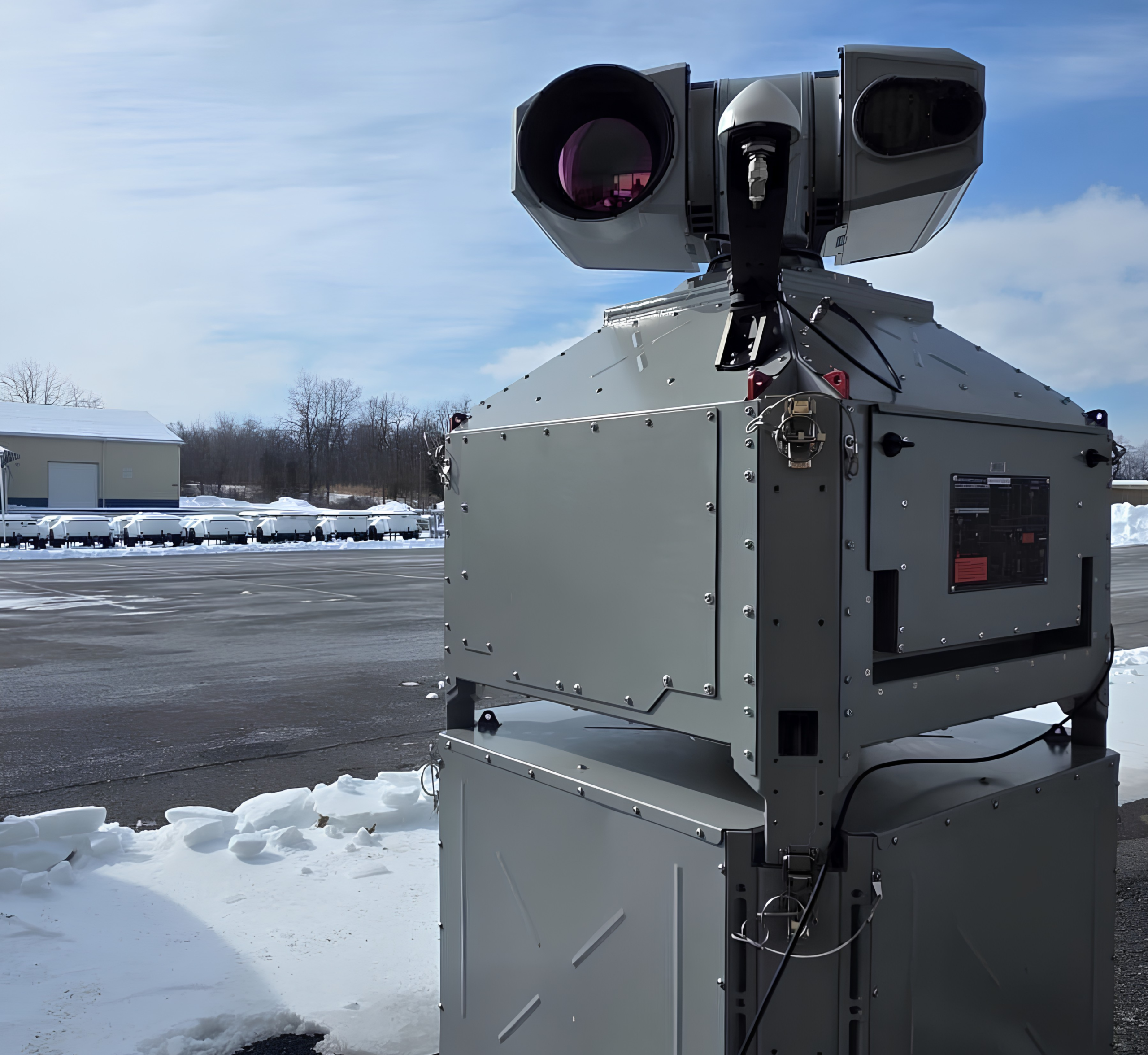
Zorronet has received an initial order for two integrated thermal sensing and edge artificial intelligence systems from an unnamed global defence company. The Israeli developer will supply equipment combining imaging, computer vision and local processing, with further field trials planned before the customer decides whether to order more. The customer has indicated a possible follow-on order of up to 1,000 units, but that remains conditional on successful performance validation rather than a binding manufacturing commitment.
The equipment was developed jointly with the customer for an identified operational requirement. A working prototype underwent an initial evaluation, followed by the purchase of two units for further testing and demonstration under field conditions. Zorronet has not disclosed the customer, the purchase price, detailed acceptance criteria or a delivery schedule. The existence of an initial order therefore establishes the supply of evaluation equipment, not a deployment of hundreds of systems into military service.
Zorronet, a subsidiary of Tessera Defense and Homeland Security, is providing both the software and physical engineering needed for a combined sensing product. The architecture places thermal imaging and analytical processing within the system rather than requiring every image or detection to be sent to an external server. This allows configured functions to continue where communications are intermittent, subject to sufficient local power and functioning equipment. It does not establish that the product operates without any communication links for reporting, oversight or future software maintenance.
Thermal sensors measure differences in infrared radiation across a scene, producing imagery that may reveal objects under conditions where conventional visible light cameras are less effective. Computer vision algorithms can examine incoming images for features or events matching programmed criteria. The practical accuracy of these functions depends on sensor resolution, field of view, scene characteristics, the processing model and the parameters applied. Zorronet has not published independently measured detection ranges, classification accuracy, error rates or response times for the two units ordered.
The use of processing at the edge also establishes requirements for the electrical and mechanical design. A processor must handle incoming sensor streams while operating within a defined power budget and temperature range. Continuous analysis creates heat that must be managed by the electronics enclosure, particularly when environmental sealing limits the movement of air. The company identifies enclosure design and environmental sealing among its own responsibilities, but has not released a protection rating or qualified operating temperature limits.
Beyond gathering and classifying information, the equipment can be configured to initiate predefined actions when a specified event is identified. The nature of those actions and the authority needed to initiate them have not been disclosed. Automated detection and a response interface do not by themselves establish a weapon function, an autonomous engagement authority or a particular interception capability. Those distinctions remain important because the customer has not named the final operational setting in which the system will be evaluated.
Processing data locally may also reduce reliance on an external connection at the moment an event occurs. A site with unstable communications could continue some sensing and analytical functions while disconnected, although the operating period would still be limited by electrical supply, equipment reliability and any functions that require a network. External reporting and integration with other equipment may remain necessary. Zorronet has described its approach as designed for open areas and demanding conditions, without publishing test results that would independently establish performance in those settings.
The physical manufacturing work takes place in Israel, where Zorronet is responsible for integration and assembly as well as its software contribution. Combining a thermal sensor, processing hardware and enclosure into a single delivered product requires stable interfaces, documented configurations and testing of the complete device. Producing two evaluation units does not demonstrate that the same process can be repeated economically and consistently across a substantially larger production run. Components, tooling, quality checks and finished product acceptance would all have to support any later production contract.
Tessera describes the initial order as a step from demonstrations towards customer procurement of operationally specified systems. The company has previously identified Zorronet’s work with security monitoring and integration technologies, but the present project places a greater proportion of physical product engineering within the subsidiary. The added responsibilities include bringing together sensing electronics, software, mechanical packaging and the customer’s specified response interfaces in a product that must operate as a whole.
The defence customer’s next decision will depend on the performance of the two purchased units during field testing. Neither the initial order value nor a time for possible follow-on procurement has been disclosed, and the conditional reference to up to 1,000 further systems should not be counted as an existing order book. Results from the planned tests, together with any subsequent contract and manufacturing timetable, will determine whether Zorronet moves beyond the evaluation stage.