IN Brief:
- A Gulf Coast supplier is expanding catalogue breadth as shipbuilding demand rises.
- New lines focus on bridge ergonomics and visibility, alongside damage-control hardware.
- Delivery performance will depend on qualification, traceability, and shipyard integration.
In-Mar Systems and In-Mar Solutions have announced an expansion of product lines aimed at U.S. Navy programmes and the wider maritime industrial base, adding bridge-focused human-factors equipment alongside existing safety and visibility systems.
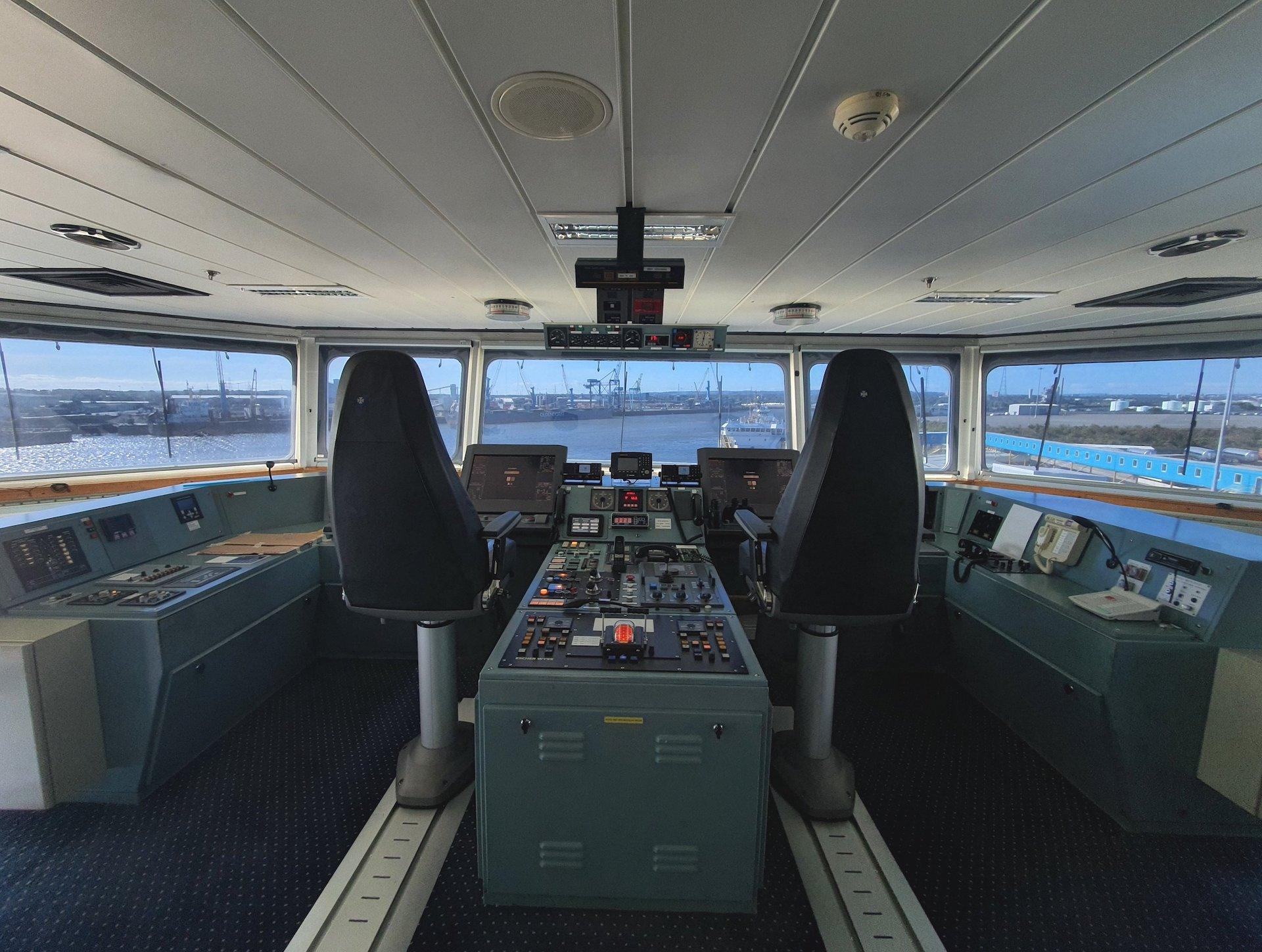
The Louisiana-based supplier said its core portfolio includes marine off-board firefighting systems and heavy-duty window wiper and wash equipment used for ship safety, damage control, and bridge visibility across multiple vessel types. The expansion adds helm chairs designed for long watchstanding periods and purpose-built marine window shading systems intended to reduce glare and improve bridge efficiency during daylight navigation and precision manoeuvring.
“Reliability at sea is non-negotiable,” said Glynn Grantham, President at In-Mar Systems.
In practice, these are not cosmetic upgrades. Bridge seating and glare management sit on the boundary between human performance and hardware reliability, with knock-on effects for watch fatigue, navigation workload, and error rates during close-quarters operations. For shipbuilders, the procurement challenge is less about novelty and more about standardisation: equipment that can be specified early, delivered on schedule, and installed without rework.
Marine equipment that ends up on naval platforms lives under a different ruleset to commercial off-the-shelf fittings. Materials selection, corrosion resistance, vibration tolerance, and maintainability all shape design choices, and they push suppliers toward controlled manufacturing processes with traceable parts and consistent sub-tier performance. That is especially true for systems linked to survivability — firefighting equipment and visibility systems tend to be treated as mission-critical.
Bridge human-factors products carry similar pressures. Helm chairs, for example, have to hold up under constant use, remain stable under motion, and integrate cleanly with bridge layouts and control interfaces, while shades and glare management systems need repeatable performance without introducing new maintenance burdens.
As shipbuilding capacity expands, shipyards become less tolerant of late-arriving components that disrupt outfitting sequences. Suppliers that can deliver consistent lead times, stable configuration, and installation-ready kits gain an advantage, because the cost of missing a shipyard window often dwarfs the cost of the component itself.
For In-Mar, widening its catalogue also increases the operational requirement to manage more part numbers, more qualification artefacts, and more supplier oversight. If the company can keep documentation, traceability, and logistics tight while adding new categories, the near-term outcome is simple: fewer substitutions on the deckplates, fewer installation delays, and less friction for programme managers trying to hold build schedules.