IN Brief:
- Archer has picked Bristol as its UK engineering base and is hiring engineers locally.
- The hub is tied to hybrid-electric VTOL work aimed at US and allied defence applications.
- UK collaboration will hinge on turning early designs into producible, certifiable hardware.
Archer Aviation has selected Bristol as the home of its UK Engineering Hub, positioning the city as the company’s main base for engineering work spanning commercial and defence programmes. The company says it has already begun hiring engineers for the site, following a December 2025 announcement that it intended to establish a UK hub.
The Bristol team is expected to support what Archer describes as some of its most advanced engineering initiatives, with early activity focused on uncrewed vehicle programmes in the UK. Archer is framing the hub as a collaboration engine, built around local work with Anduril UK and GKN, at a time when defence customers are demanding systems that can be iterated quickly, industrialised, and sustained without bespoke support pipelines.
Adam Goldstein, CEO and founder of Archer, said: “We want to hire the best engineers the UK has to offer. Bristol has a strong industrial base and a deep talent pool that makes that possible.”
Archer’s defence push is anchored by its partnership with Anduril, under which Archer is the exclusive partner to develop a hybrid-electric vertical take-off and landing aircraft tailored for United States and allied defence applications. The Bristol hub gives Archer an engineering footprint in one of the UK’s densest aerospace clusters, close to a supplier ecosystem that spans aero-structures, complex machining, composites, systems integration, and certification support.
Design choices that shape industrialisation
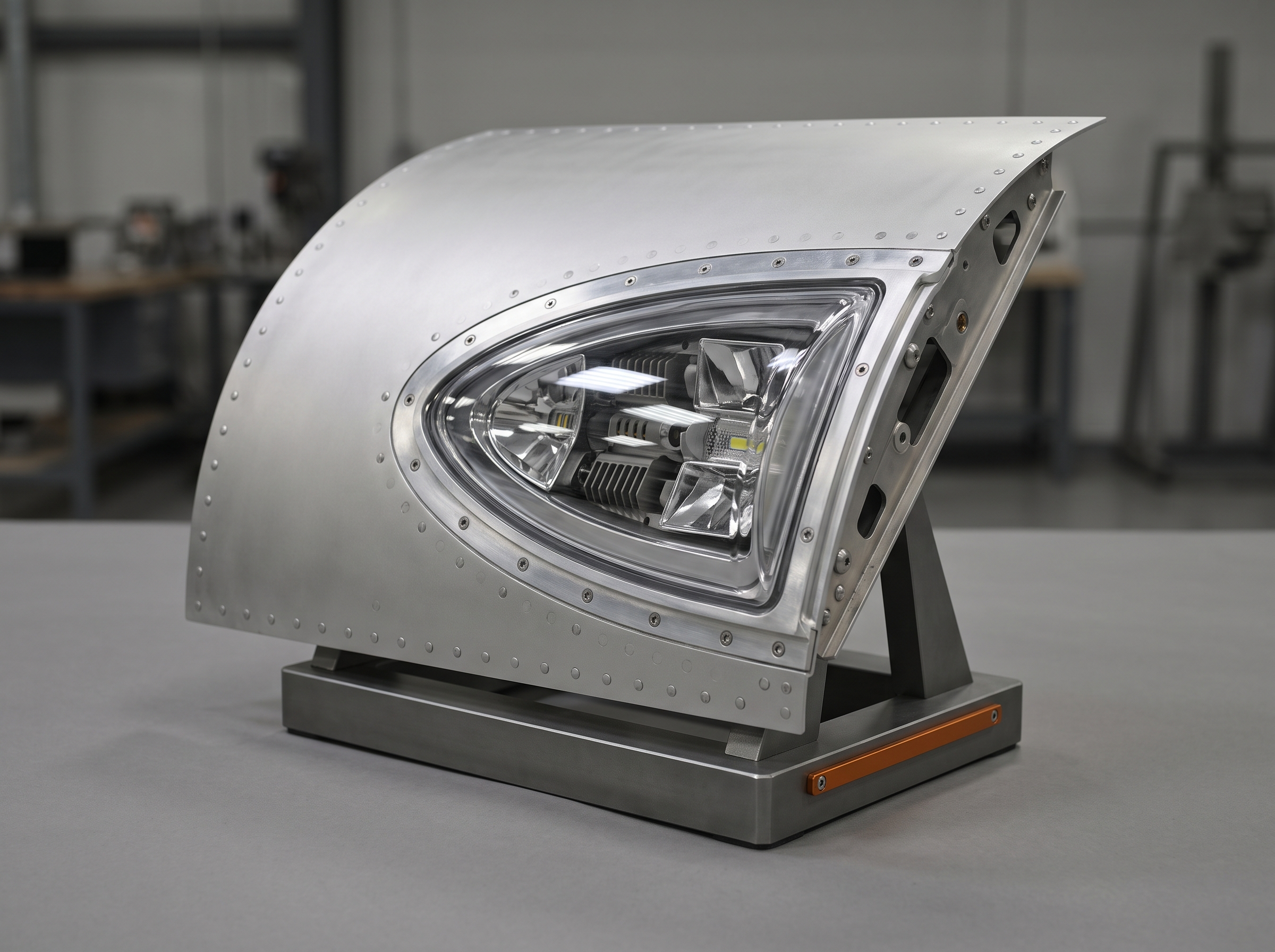
Hybrid-electric VTOL architectures pull manufacturing in several directions at once. Airframe structures still live in the familiar world of aerospace-grade alloys, composites, and tight-tolerance assemblies, but the propulsion and powertrain introduce high-voltage electrical systems, thermal management, and power electronics — all of which bring their own qualification regimes, inspection methods, and supply chain constraints.
For defence-facing uncrewed platforms, producibility tends to become a design requirement rather than an outcome. That pushes engineering teams towards modular assemblies, accessible maintainability, and configuration control that can survive a fast-moving mission-systems roadmap. If the UK hub is doing its job, it will be reducing the number of bespoke parts early, locking interface standards, and ensuring that test and validation can be repeated at pace.
UK suppliers, production readiness, and sustainment
Bristol’s industrial advantage is not just talent density, but the ability to spin up manufacturing collaboration quickly. For partners such as GKN, the pathway typically runs from development build support into repeatable production processes — fixtures, tooling, inspection plans, and work instructions that can survive audits and the realities of rate production.
Defence procurement also drags sustainment into the foreground. Hardware that can be produced is only half the problem; it must be repairable, supportable, and traceable across its lifecycle. That means disciplined supply chain selection, robust quality documentation, and a manufacturing approach that does not collapse when component availability shifts. In a sector where autonomy, sensors, and propulsion evolve quickly, the engineering hub that wins is the one that makes upgrades routine rather than disruptive.