IN Brief:
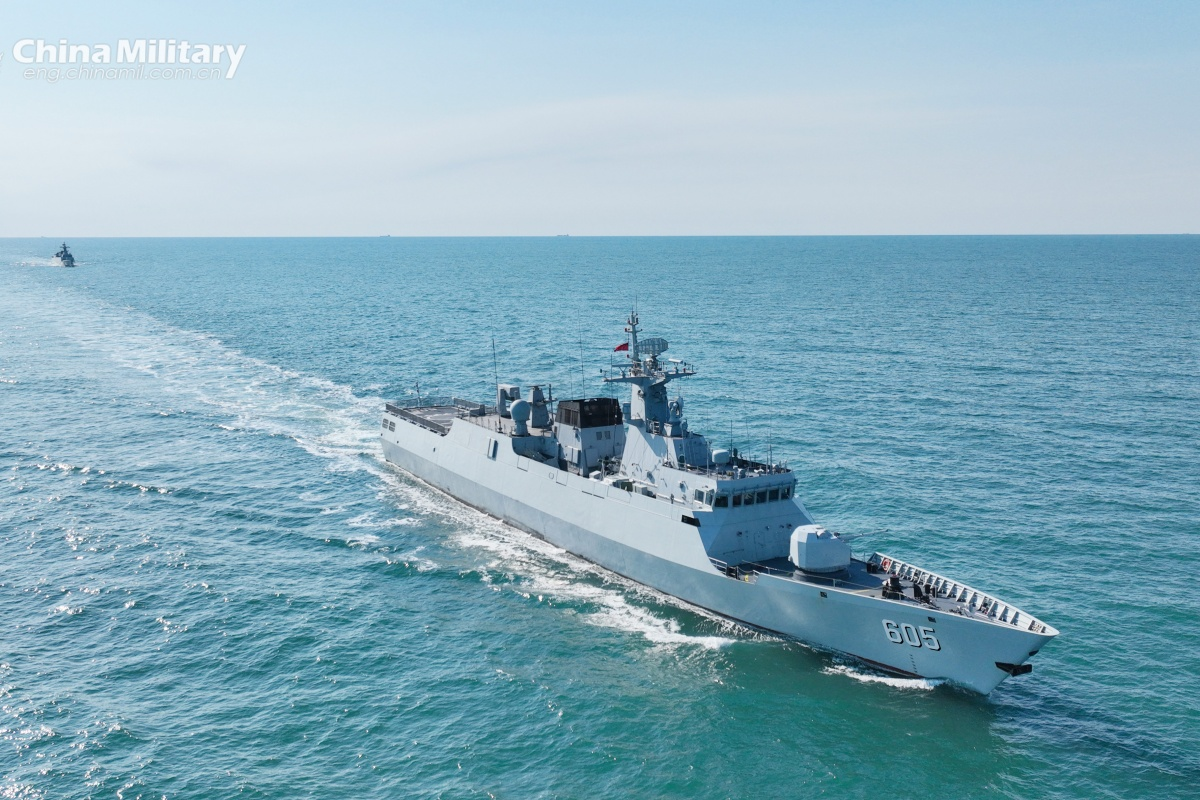
- Cambodia has taken delivery of its first Type 056C corvette, with a second vessel expected this year.
- Thailand’s next frigate competition is being structured around foreign bids with domestic industrial participation.
- Across the region, naval procurement is putting more weight on yard capability, integration work, and through-life support.
Cambodia has taken delivery of its first Type 056C corvette, giving the Royal Cambodian Navy a markedly more capable surface combatant than the patrol-focused vessels that have long defined its fleet. With a second ship expected to follow this year, the move begins to look less like a symbolic handover and more like the start of a small class that will demand its own support structure, training pipeline, and maintenance planning.
The platform arrives at a moment when Southeast Asian navies are placing more emphasis on what follows procurement rather than procurement alone. A missile-capable corvette brings a new layer of complexity in combat systems, sensors, weapons handling, dockside support, and spares provision. Those pressures do not ease once the ship is delivered. In many respects, they begin there.
Thailand’s parallel progress on a new frigate competition underlines the point. Bangkok is moving ahead with a programme that has drawn wide international interest, but the contest is also being shaped around domestic industrial participation. That shifts the decision away from a pure platform comparison and into harder questions around build workshare, local integration, yard capability, and long-term support capacity.
Regional shipbuilding is becoming more strategic
For Cambodia, even a modest corvette fleet introduces industrial requirements that a small navy cannot ignore. Berthing infrastructure, corrosion control, machinery support, testing routines, and trained engineering crews all become more important once the fleet mix changes. A two-ship class also creates a stronger case for more structured inventory planning and technical support arrangements, because the cost of ad hoc sustainment rises quickly when systems become more complex.
For Thailand, the industrial equation is more deliberate. A frigate competition tied to domestic participation can pull value into local shipyards and marine engineering companies, but only if the workshare is meaningful. Steelwork, cabling, propulsion integration, HVAC, combat-system installation, and harbour and sea trials all offer room for local industry to move beyond subcontracted fabrication and closer to system-level contribution.
Support depth will shape fleet value
The more lasting value in both programmes sits in sustainment. Surface combatants remain politically attractive at the point of purchase, but their operational relevance is decided later by maintenance discipline, software support, sensor upkeep, spare parts resilience, and the ability to manage refit cycles without long periods alongside. A ship delivered without that ecosystem can quickly become a headline without a fleet effect.
That is why the week’s naval developments matter for defence manufacturers as much as for regional procurement watchers. Cambodia’s corvette arrival creates a new support burden with industrial consequences attached. Thailand’s frigate programme is being framed to capture more technical and commercial value at home. Together, they suggest the naval market in Southeast Asia is shifting toward a more demanding model, one in which ships are judged not only by what they carry, but by where they are built, how they are integrated, and how reliably they can be kept at sea.