IN Brief:
- The RAAF has taken delivery of its first Next Generation Jammer Mid-Band pods for the EA-18G Growler fleet.
- Further deliveries are planned through 2026 as the system moves into operational integration and support.
- The workload now centres on aircraft integration, software sustainment, repair, and mission-data management.
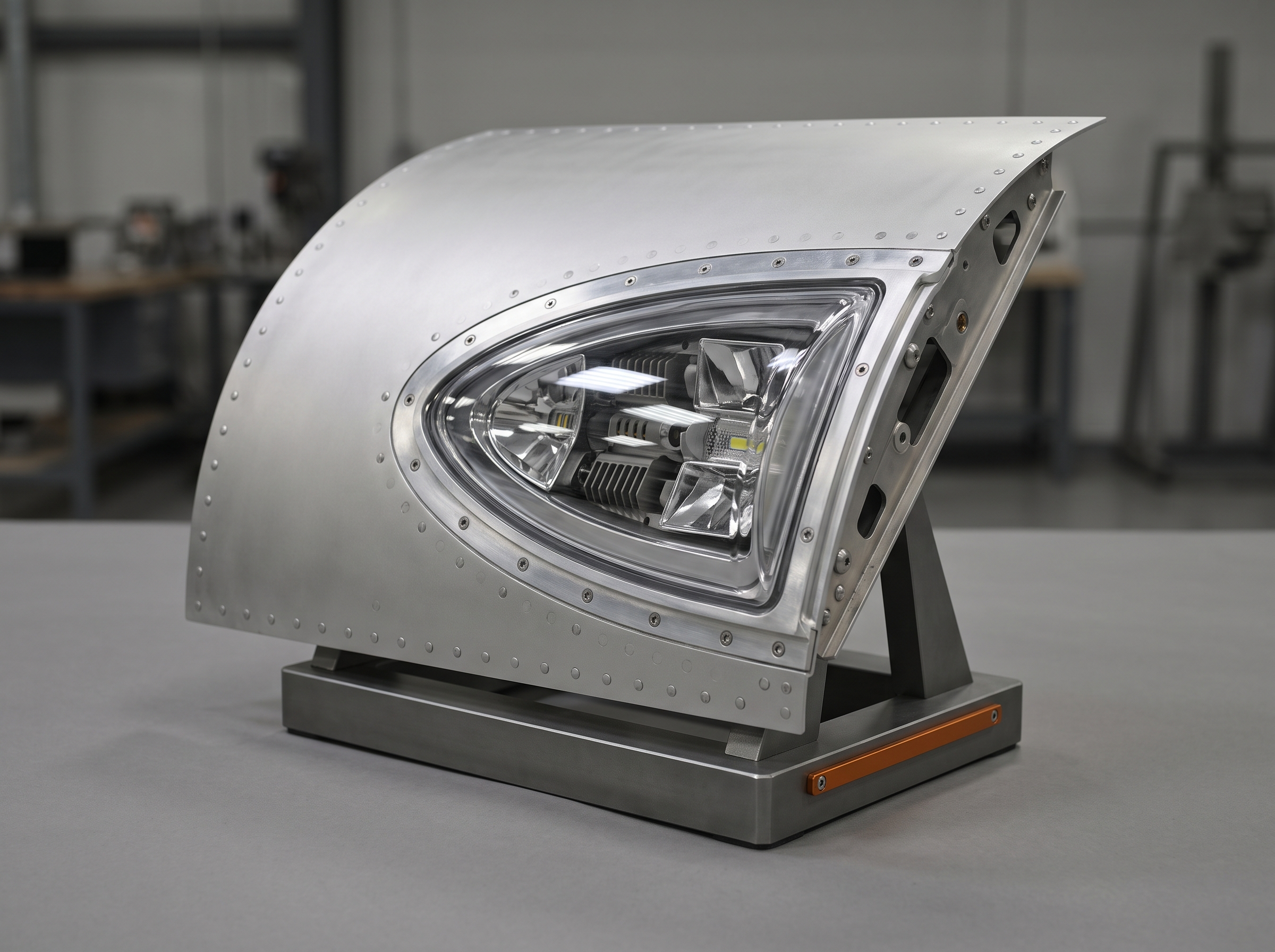
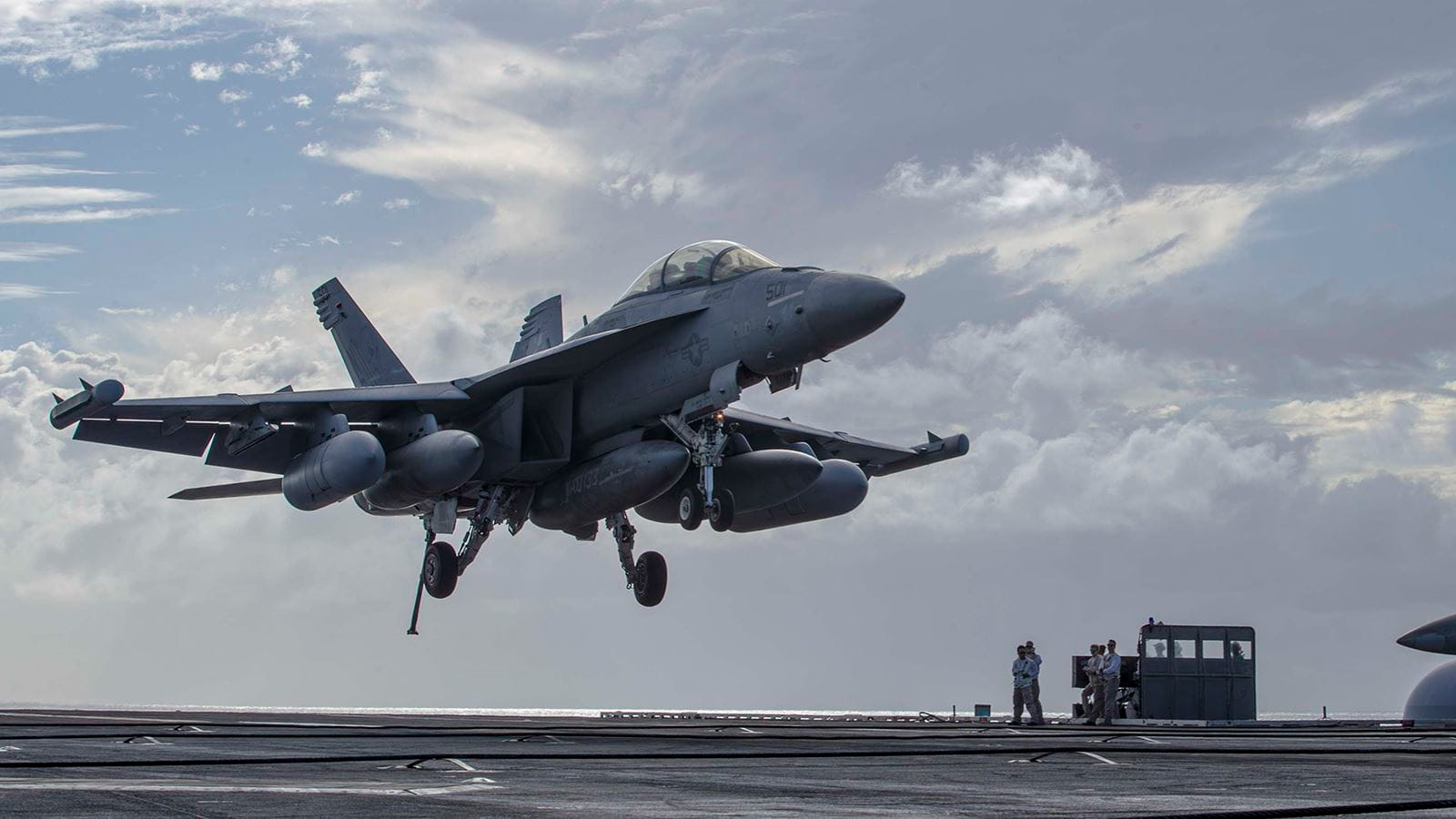
Australia has taken delivery of its first Next Generation Jammer Mid-Band shipsets for the Royal Australian Air Force’s EA-18G Growler fleet, advancing one of the region’s most significant airborne electronic attack upgrades.
The system is designed to disrupt hostile radars, communications networks, and air-defence architectures across the mid-band spectrum. Built around active electronically scanned array technology, the pod expands the Growler’s electronic warfare capability while adding another layer of complexity to aircraft integration and support.
The first Australian delivery follows earlier programme milestones reached in 2025, when initial shipsets were handed over ahead of schedule. With the first local delivery now complete, the programme moves into fleet entry, software support, and sustainment planning.
The Growler force has become a core element of Australia’s high-end air combat architecture, and the addition of NGJ-MB strengthens its role in suppression, escort jamming, and electromagnetic attack missions across contested airspace.
Integration and support activity
The next phase centres on fitting the pods into the aircraft, validating mission-system compatibility, and maintaining stable software baselines across the fleet. Electronic attack payloads place a heavy burden on fault isolation, mission-data updates, calibration, and support equipment, particularly once they move into squadron service.
In-country support arrangements reduce turnaround times and keep technical feedback closer to operators and maintainers. That is especially important for high-value EW equipment, where offshore repair cycles can quickly affect availability.
Production demands in electronic warfare
Manufacturing AESA-based jammer pods requires tight control over RF components, thermal performance, power management, and software assurance. Specialist electronics, processors, and test infrastructure all sit inside the production chain, while obsolescence risk remains a constant pressure.
As more pods enter service, the supply chain will be measured on repair throughput, software refresh rates, and the ability to keep pace with a threat environment that changes far faster than traditional aircraft upgrade cycles.