IN Brief:
- Aerodata and Dynauton are evaluating an Indian-market ISR solution based on the AeroForce X MALE UAS.
- The platform is aimed at long-endurance surveillance missions across the Himalayas and Indian Ocean region.
- Mission-system integration and local manufacturing input will be central to whether the programme progresses.
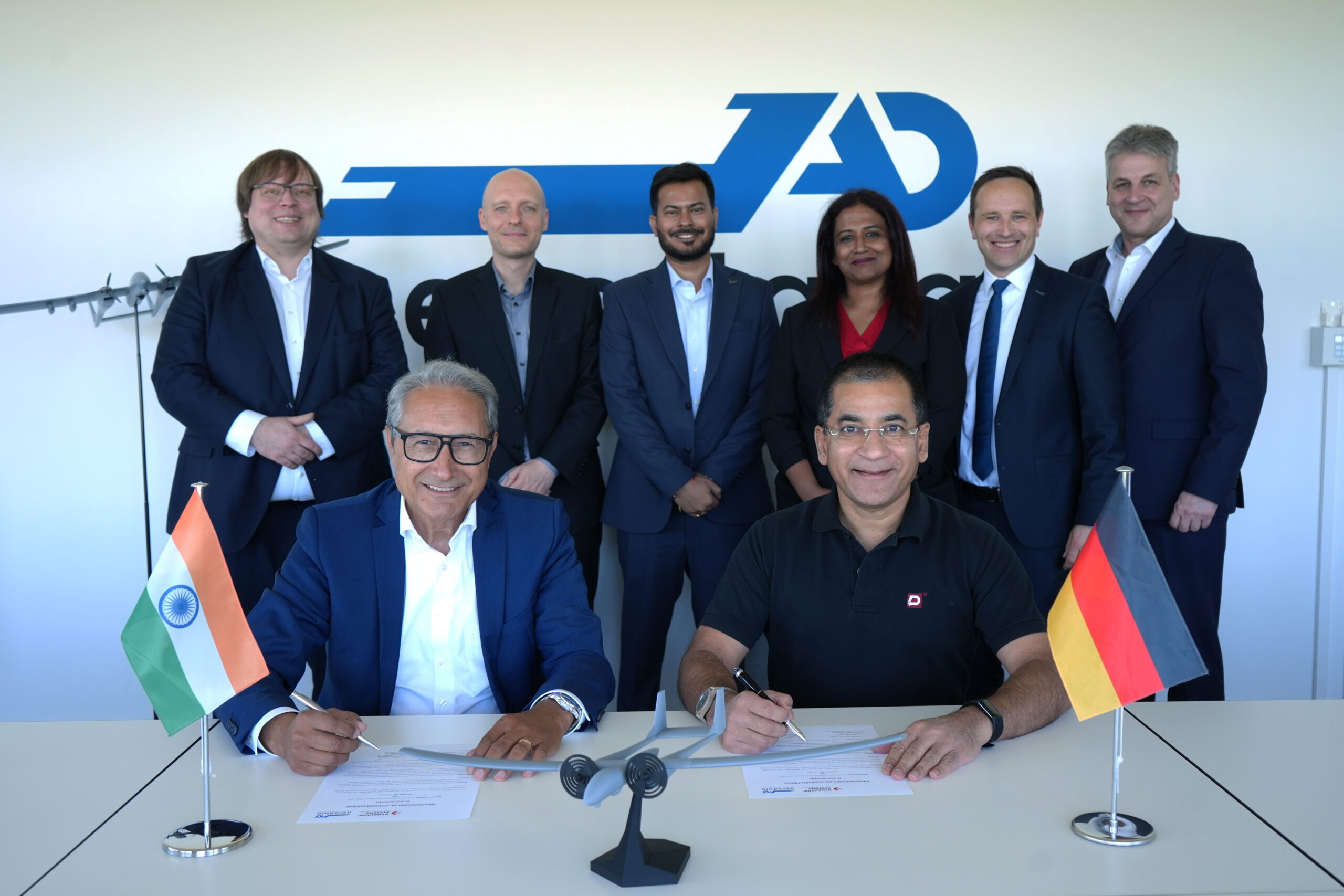
Aerodata AG and Dynauton Systems have signed a memorandum of understanding to develop an unmanned airborne surveillance and reconnaissance solution for India, built around Aerodata’s AeroForce X platform.
The proposed aircraft sits in the MALE class, with endurance of up to 40 hours and capacity for advanced mission-system integration. The two companies will evaluate how the platform can be adapted and deployed for Indian requirements, including long-duration ISR operations over both the Himalayas and the Indian Ocean region.
The work divides cleanly between the two partners. Dynauton brings engineering and manufacturing capability in unmanned systems, while Aerodata contributes its background in integrating complex airborne surveillance and reconnaissance systems. That pairing fits the structure of India’s defence market, where mission relevance and local industrial participation increasingly move together.
Payload integration and endurance
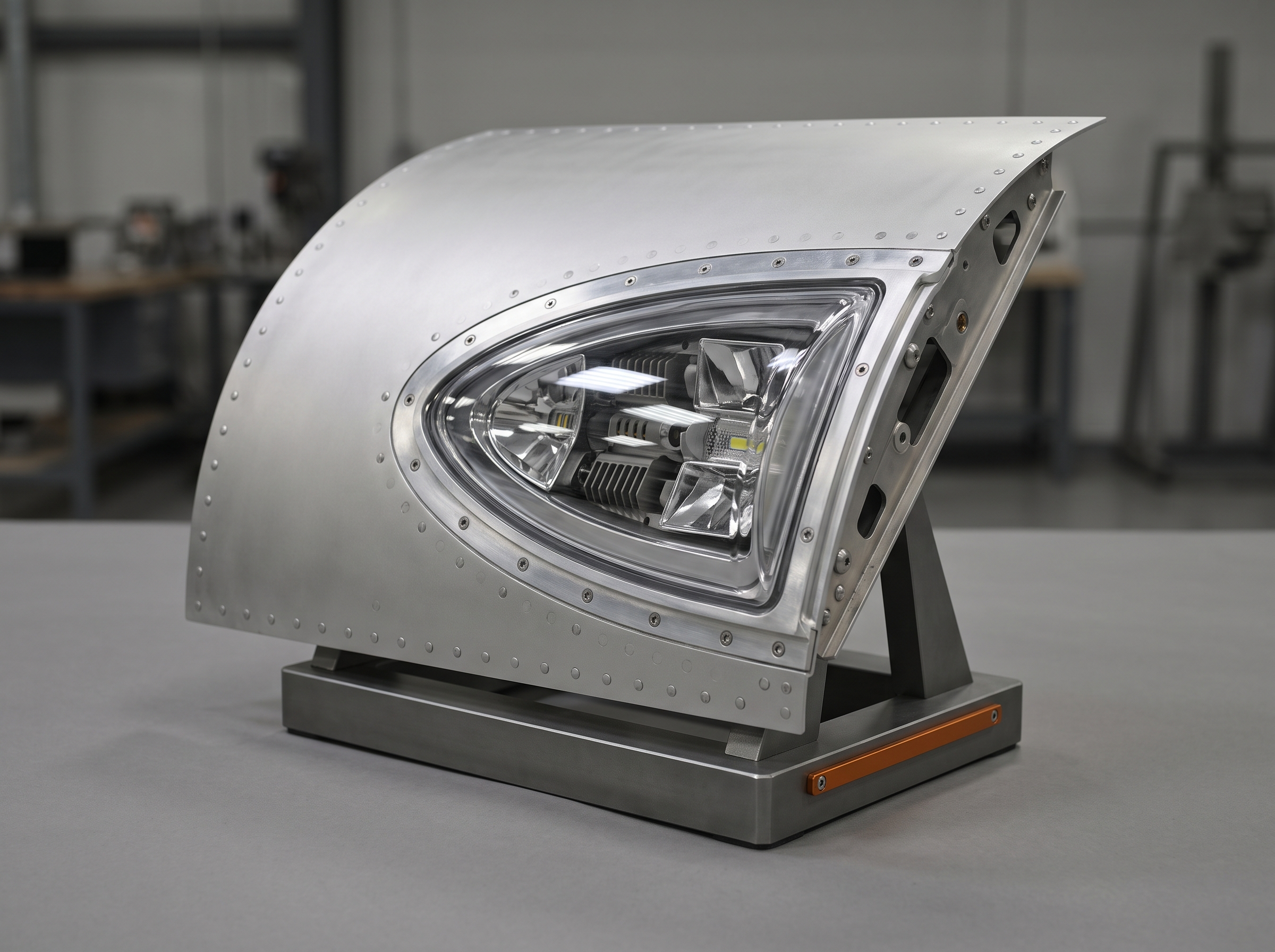
Long-endurance ISR aircraft are defined as much by mission integration as by the airframe itself. Sensors, communications, power management, mission computers, data links, and software all have to work as a coherent package over extended missions.
That becomes more demanding when one platform is expected to cover maritime surveillance and high-altitude land missions. Sensor fit, cooling, endurance management, and communications resilience all come under greater strain.
Industrial direction in India
If the programme develops further, local manufacturing and support are likely to become central. India’s unmanned-aircraft market increasingly favours arrangements that create room for domestic production input, lifecycle support, and mission adaptation.
The Aerodata–Dynauton MoU positions the programme in that direction from the outset. A European mission-systems house and an Indian manufacturing partner are aiming at a segment where localisation, sustainment, and sensor integration are as important as flight performance.