IN Brief:
- AI-enabled Aegis work is intended to accelerate radar adaptation against drones, cruise missiles, and emerging aerial threats.
- Machine-learning updates could reduce the time needed to refine detection performance from months to days or hours.
- Production demand will centre on deployable processors, assured software, cyber-secure updates, and shipboard integration kits.
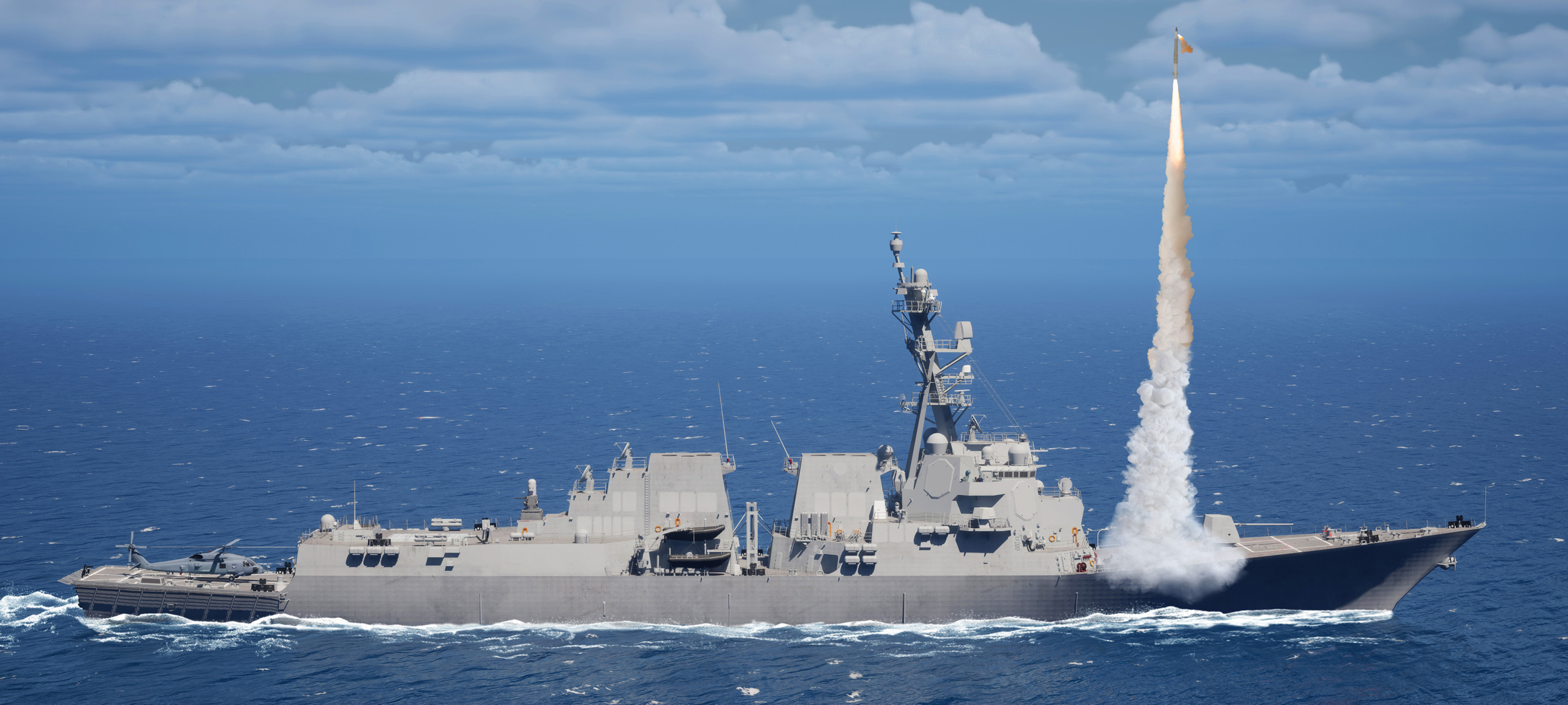
Lockheed Martin is advancing artificial intelligence capabilities within the Aegis Combat System to improve detection and tracking of emerging aerial threats, including drones and advanced cruise missiles.
The work is intended to make Aegis radar performance more adaptive. Instead of relying solely on major software update cycles, the system can use machine-learning processes to refine how it identifies threats, filters false signals, and accounts for operating conditions.
Drones, cruise missiles, and low-observable aerial systems present different detection problems from traditional ballistic threats. They can fly lower, appear in larger numbers, and operate in cluttered environments where false tracks and ambiguous returns consume operator attention.
Aegis remains one of the central combat systems in U.S. and allied naval air defence. Its continued development depends on the ability to integrate new interceptors, sensor updates, and software-defined capabilities without locking ships into slow modernisation cycles.
Software assurance
Machine-learning updates may reduce the time needed to refine radar performance, but those updates still have to be tested, certified, cyber-secured, and deployed without compromising ship safety or combat-system reliability.
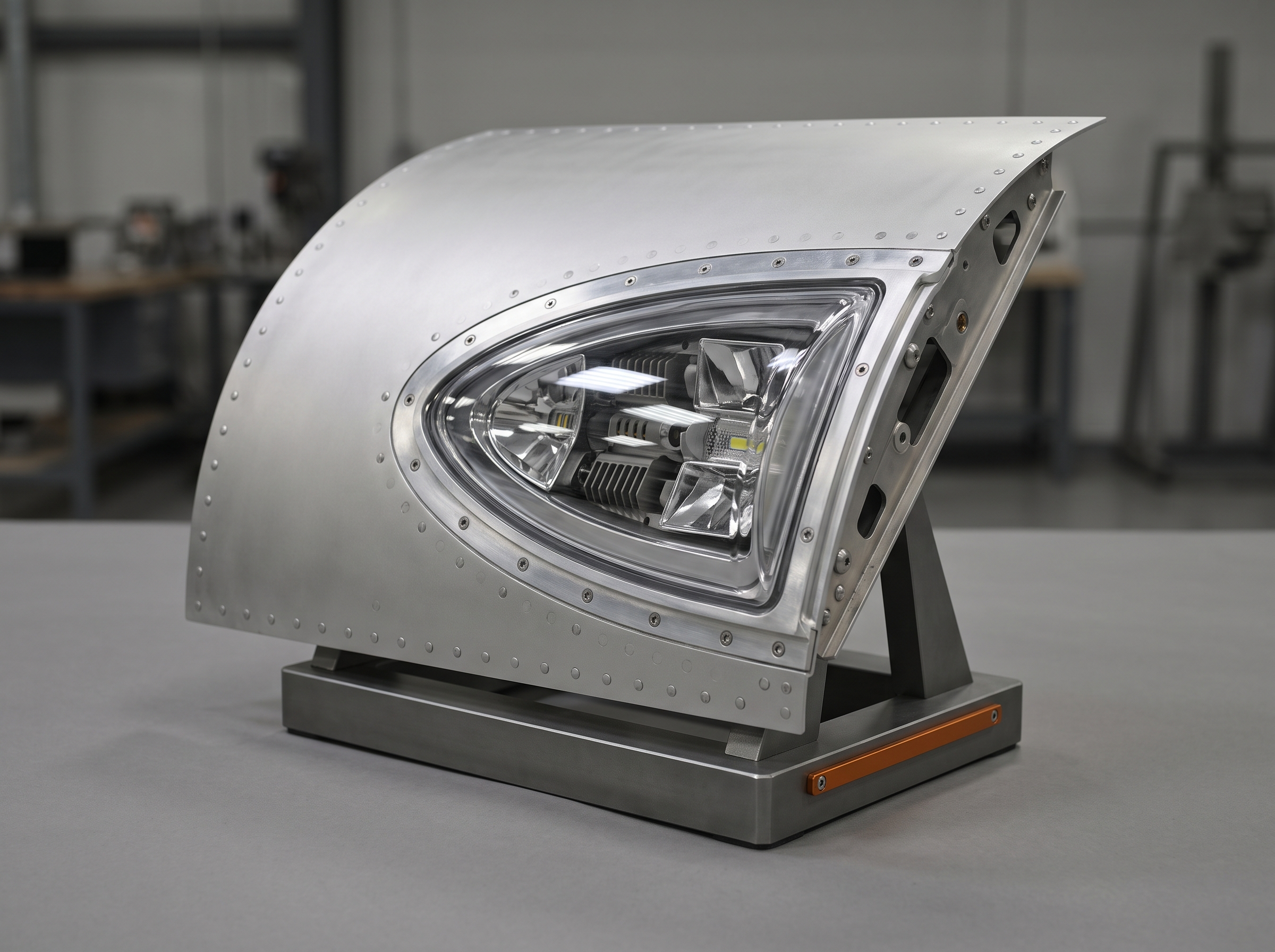
Mission data can be processed to generate updated system parameters that improve detection and tracking performance. Moving more of that processing closer to the ship will require deployable mission kits, onboard processing hardware, secure data handling, and repeatable validation processes.
Shipboard integration
The AI work sits alongside wider Aegis modernisation, including integration of new air-defence weapons such as PAC-3 MSE. That wider pattern is turning Aegis into a more modular combat-system baseline, where radar processing, missile integration, and software updates evolve together.
Production demand will extend beyond conventional naval hardware into ruggedised processors, edge-compute modules, cybersecurity tooling, test environments, and software assurance frameworks. The naval advantage comes from faster adaptation, but the production requirement is qualified software and hardware that can survive deployment across multiple ship classes and allied fleets.