IN Brief:
- Raytheon has received a $1.8bn extension for SPY-6 production and sustainment.
- More than 50 US Navy ships are expected to receive one of the radar’s configurations.
- Gallium-nitride components, module testing, software control, ship integration, and repair capacity must scale together.
Raytheon has received a $1.8bn US Navy contract extension for production and sustainment of the SPY-6 family of shipborne radars, extending a hardware and support arrangement first awarded in March 2022.
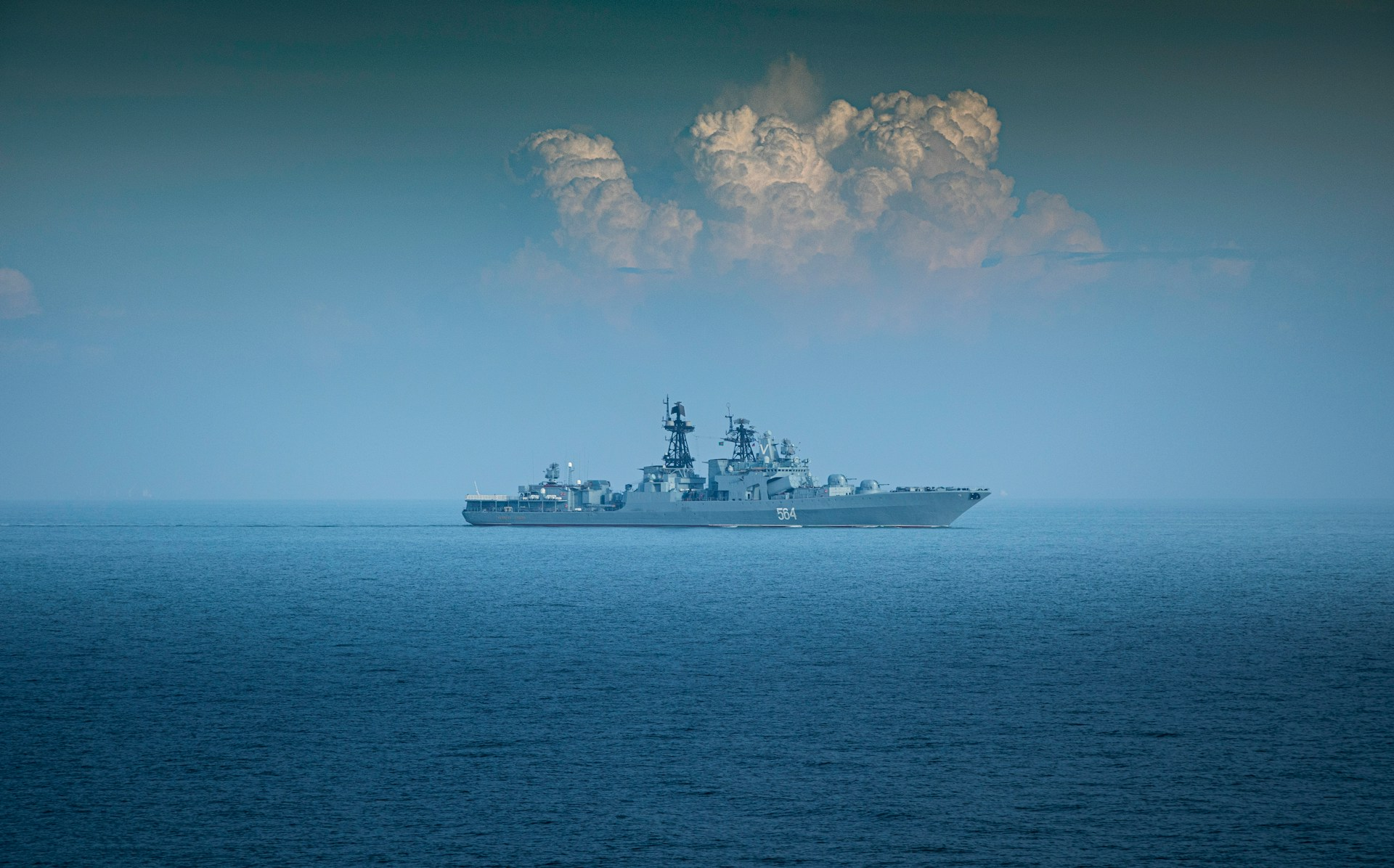
Available options could raise the cumulative value of the contract to $3.3bn. SPY-6 is already aboard two commissioned ships and installed on 11 others at different stages of testing, while more than 50 US Navy vessels are expected to receive a variant during the next decade.
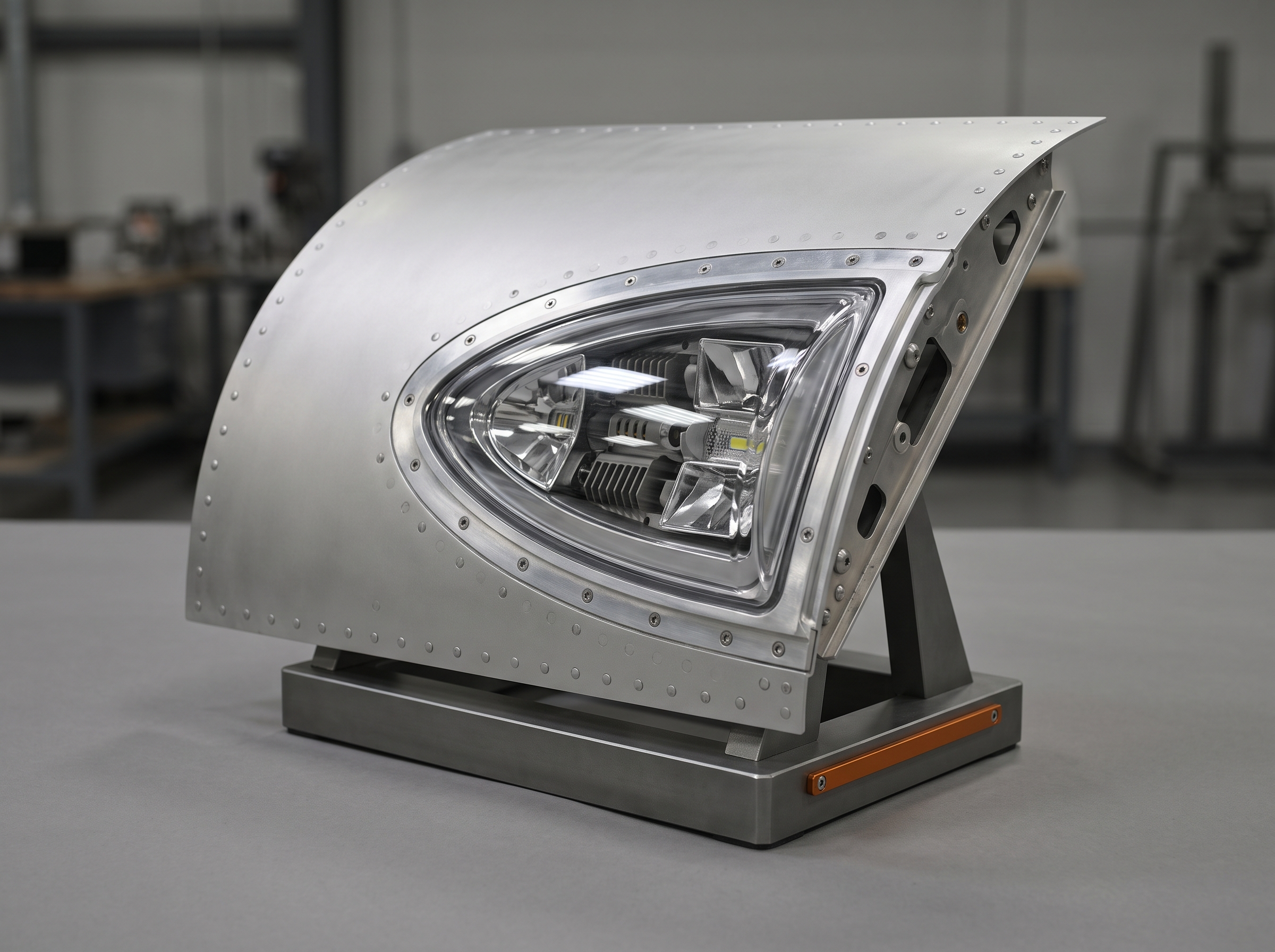
Several configurations are built around a common radar modular assembly that can be combined in different numbers for destroyers, aircraft carriers, amphibious ships, frigates, and modernised vessels. Shared hardware can support longer production runs, common test equipment, standard maintenance, and software reuse across classes.
Common modules do not make every installation identical. Available space, array dimensions, power, cooling, combat-system interfaces, mast structure, and mission requirements differ substantially between a new Flight III destroyer and a radar retrofit aboard an older ship.
The radar modular assembly uses active electronically scanned array technology built around gallium-nitride components. Manufacturing those modules requires semiconductor fabrication, packaging, precision assembly, thermal management, radio-frequency testing, and controlled calibration.
Gallium nitride supports higher power density and efficiency than earlier materials, but its benefits depend on consistent component quality. Variation at wafer, package, or assembly level can produce faults that become visible only when many modules are combined into a complete array.
Production testing will therefore absorb a substantial share of the workload. Each module must be verified before integration, while completed arrays and ship installations require further checks across hardware, software, cooling, power, alignment, and combat-system interfaces.
The Navy’s installation schedule also pulls heavily on shipyards. Technicians need foundations, cabling, power conversion, cooling equipment, and access to combat-system engineers, while retrofit work must compete for space inside maintenance periods already crowded with other upgrades.
An earlier $515m SPY-6 modernisation award supported continued engineering and fleet integration. The new extension gives the production network a longer demand signal and places greater emphasis on sustained module output, ship installation, and repair capacity.
Long-term visibility is particularly valuable to specialist suppliers. Semiconductor capacity, test chambers, precision equipment, and skilled radio-frequency engineers cannot be expanded economically around uncertain annual orders.
Software will continue changing while hardware moves through the factory. Threat libraries, waveforms, tracking algorithms, and combat-system requirements evolve faster than ships are built, meaning radars delivered in different years may enter service with different baselines.
Configuration management must prevent that evolution from fragmenting the fleet. Earlier ships need a defined upgrade path, while regression testing must show that new functions have not weakened existing detection, tracking, or engagement support.
Sustainment is included because radar availability depends on the repair pipeline as much as new production. Failed modules must be diagnosed, replaced, refurbished, and returned to stock quickly enough to support a rapidly expanding installed base.
Common components should simplify that process, although demand for spares rises with every additional array. The factory must balance new-ship deliveries with repairs, upgrades, training equipment, test assets, and inventory replenishment.
SPY-6 sits at the front of the naval engagement chain. Improved detection and tracking can give ships more time to respond to aircraft, cruise missiles, ballistic threats, drones, and surface targets, while the value of expensive interceptors depends on the quality of the data provided to them.
The programme also illustrates why radar capacity has become strategically important across the defence-industrial base. US and allied air- and missile-defence programmes are competing for gallium-nitride electronics, processors, power supplies, thermal components, test equipment, and experienced engineers.
Allied or export demand could add further pressure. Common radar equipment offers interoperability benefits, but foreign ships introduce different combat systems, security requirements, platform structures, and support arrangements that can dilute production commonality.
Raytheon must therefore raise throughput without allowing schedule pressure to weaken traceability or test. Radar defects are especially costly after a large array has been installed inside a ship’s superstructure and connected to the combat system.
The $1.8bn extension gives the company and its suppliers a long production runway. The decisive measure will be whether module output, software releases, shipyard integration, and repair capacity remain aligned as SPY-6 moves from a limited number of ships towards a fleet of more than 50.