IN Brief:
- US budget planning includes funding to study foreign designs and allied shipyard capacity for future warships.
- Japan and South Korea are central to the review because of their surface combatant production capability.
- The proposal reflects pressure on US naval shipbuilding capacity, workforce depth, and delivery schedules.
The Pentagon is studying whether Japanese and South Korean shipyards and warship designs could help expand US Navy surface combatant production.
The FY2027 budget submission includes research and development funding for future frigate and destroyer work. The review covers options for using foreign shipbuilding capacity, foreign designs, and potentially overseas-built components to increase the number of ships entering the fleet.
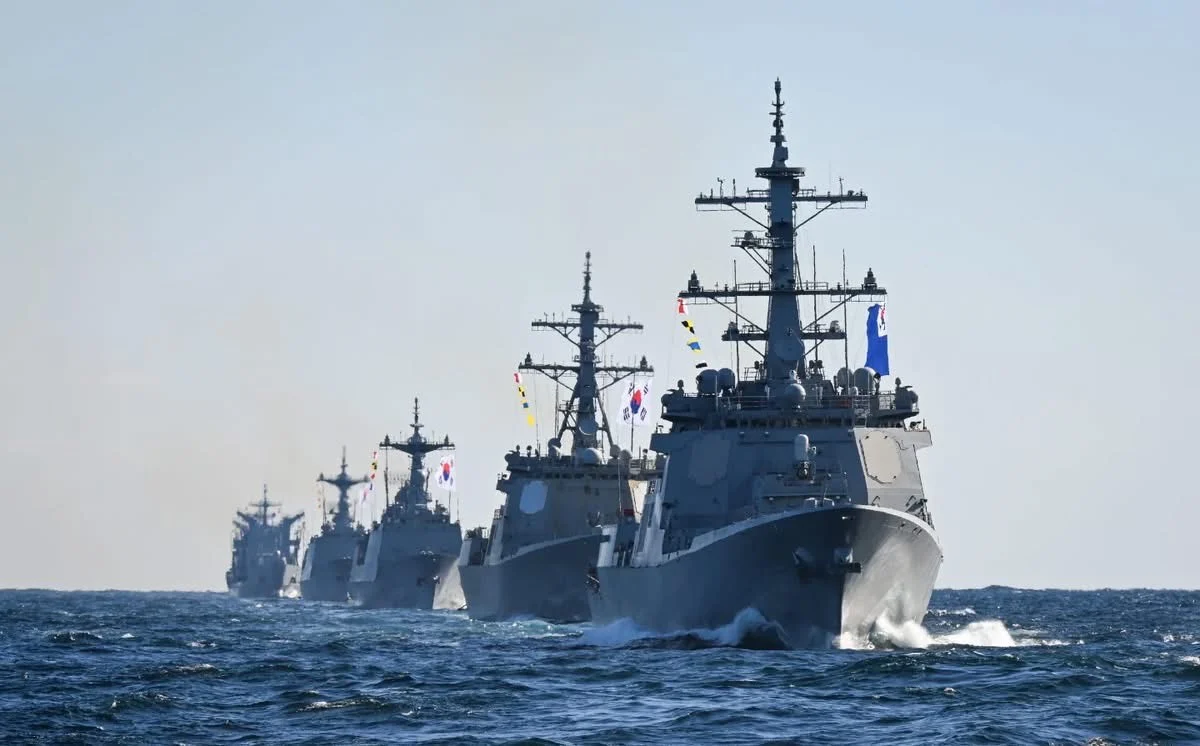
Japan and South Korea are central to the study because both operate advanced surface combatants and maintain strong shipbuilding sectors. Their yards already support complex naval production, while Japanese and South Korean fleets include vessels equipped with US-origin combat system technology.
The proposal remains at study stage and would face legal and political barriers. US law restricts construction of US Navy warships to American shipyards unless national security waivers are granted, and any move toward foreign-built components would require congressional scrutiny.
Yard capacity drives fleet planning
The study is shaped by a persistent production gap: demand for naval platforms is rising faster than domestic shipyards can absorb. US yards face pressures around workforce availability, capital investment, supplier depth, dry dock access, and the long cycle times associated with complex combatants.
Using allied yards would require deep technical alignment. Warships need classified systems integration, survivability standards, combat system compatibility, weapons interfaces, cyber-hardened networks, and long-term sustainment planning. Even a module-based approach would require careful control of security, inspection, certification, and configuration management.
Allied shipbuilding becomes strategic infrastructure
Japan and South Korea bring scale, shipyard discipline, and mature surface-combatant experience. Their possible role in US naval production would also redistribute parts of the supply chain across the Pacific, linking fleet readiness more closely to allied industrial capacity.
The study places industrial policy directly beside fleet strategy. More ships require trained welders, systems engineers, naval architects, specialist suppliers, and production infrastructure. The US is now testing whether allied shipbuilding can become part of that capacity base without undermining domestic control of sensitive naval production.