IN Brief:
- The Royal Thai Air Force has ordered two Airbus C295 aircraft in tactical transport configuration.
- The aircraft will be assembled at Airbus Defence and Space facilities in Seville, with first delivery scheduled for the first half of 2029.
- The order expands Thailand’s C295 fleet and strengthens regional demand for medium tactical airlift.
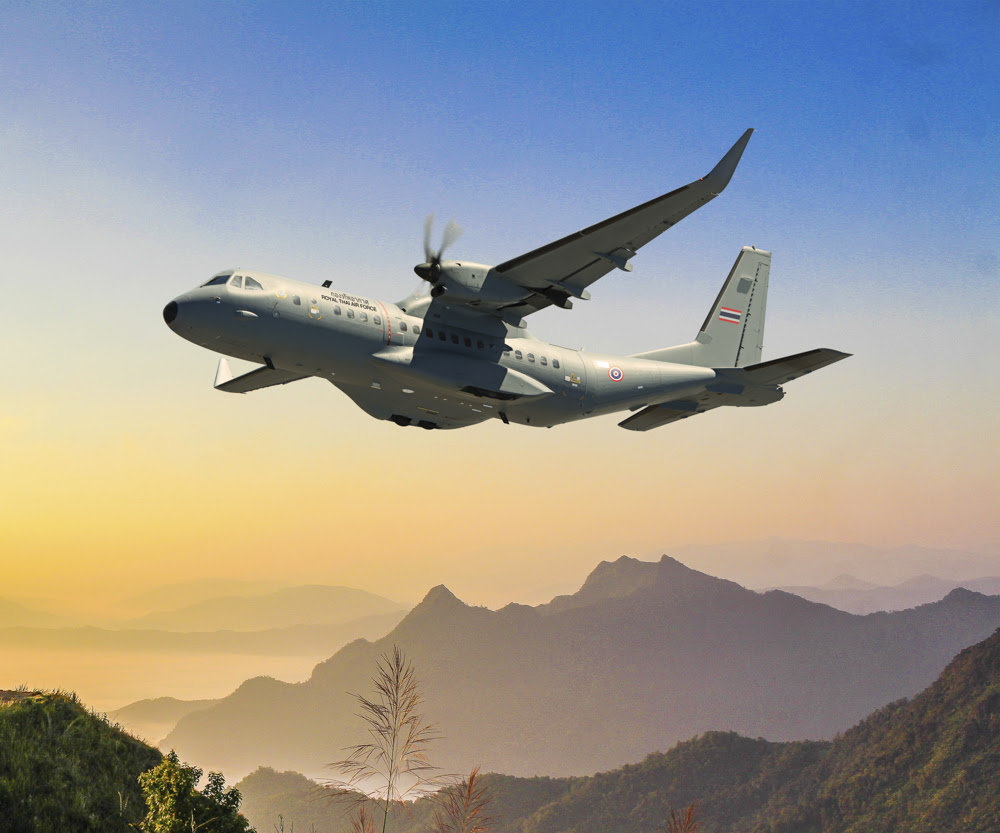
The Royal Thai Air Force has ordered two Airbus C295 tactical transport aircraft, extending Thailand’s use of the platform and adding medium-airlift capacity to the country’s defence aviation fleet.
The aircraft will be operated by the 46th Wing Division from Phitsanulok air base. Thailand already has three C295s in service with the Royal Thai Army, where the aircraft have carried out cargo and troop transport missions since 2016. The new air force aircraft will be assembled at Airbus Defence and Space facilities in Seville, Spain, with first delivery scheduled for the first half of 2029.
In tactical transport configuration, the C295 can carry up to 70 troops or 49 paratroopers. The aircraft can operate from unprepared runways, perform cargo and paratrooper drops, and support medical evacuation missions. That combination places it in a segment where payload, ruggedness, and operating flexibility often outweigh speed or prestige.
Thailand’s order adds to a wider Asia-Pacific C295 footprint. Seven countries in the region operate the aircraft, while the global fleet has passed hundreds of orders across multiple continents. The platform’s market position rests on a relatively broad mission set, covering tactical transport, surveillance, search and rescue, logistics, and specialist configurations.
The latest Thai order reinforces Seville’s role as the production and assembly centre for the aircraft. Medium tactical transports rarely attract the attention given to fighters or large surveillance aircraft, yet they anchor a substantial manufacturing and support chain. Airframe production, avionics, cargo-handling systems, mission equipment, communications, training devices, spares, and support packages all have to be configured around national requirements.
Fleet support will be central to the Thai programme. Airbus already works with Thai Aviation Industries to support C295 maintenance in the country through training and local technical capability. As Thailand’s fleet expands across the army and air force, common maintenance practices, spares management, and technician training could reduce through-life support complexity.
That installed base gives the C295 a stronger position inside Thailand’s defence aviation structure. Aircraft commonality can simplify crew training, maintenance planning, logistics, and future upgrade routes. It can also support broader national resilience by allowing different services to draw on similar support infrastructure rather than maintaining isolated fleets.
The order sits within a broader regional pattern in which Asia-Pacific states are investing in aircraft able to support military logistics, disaster response, border security, remote-area access, and maritime-domain tasks. Countries with dispersed geography or limited infrastructure need aircraft that can operate reliably from shorter or less-developed runways. The C295’s ability to use unprepared surfaces gives it value in those conditions.
Airborne capability across the region is also becoming more varied. High-end surveillance and uncrewed systems are developing alongside more conventional airlift platforms, including recent progress around unmanned airborne early warning concepts. The Thai C295 order belongs to the practical end of that shift, where transport aircraft sustain mobility, medevac, and rapid response rather than delivering a single specialised effect.
Production of aircraft in this class demands a different discipline from combat-air programmes. Tactical transports need long service lives, predictable maintenance, robust structures, and adaptable interiors. Customers often expect aircraft to evolve over decades, taking on new radios, navigation equipment, defensive aids, mission kits, and support systems. That places weight on configuration management and supplier continuity.
The 2029 first-delivery schedule gives Airbus time to align aircraft configuration, training, support planning, and local maintenance arrangements. The long gap between order and delivery also underlines the reality of aircraft production queues, even in segments less constrained than fighter manufacturing. Demand for tactical transports remains steady because the operational requirement is persistent: troops, cargo, casualties, and equipment still need to move reliably.
For Thailand, the order strengthens a familiar platform rather than introducing an entirely new aircraft type. For Airbus, it deepens the C295 footprint in Southeast Asia and supports a production line that continues to find demand among countries seeking practical, maintainable airlift capacity.
The aircraft may not reshape Thailand’s airpower posture on its own, but it will add useful lift, commonality, and support depth to a fleet already familiar with the type. In a region where military aviation requirements often span defence operations and crisis response, that combination remains commercially and operationally durable.