IN Brief:
- BAE Systems’ UK Combat Air Demonstrator is progressing through manufacturing work in Lancashire.
- The aircraft is being used to de-risk structures, propulsion integration, software, ejection systems, and advanced manufacturing methods.
- The demonstrator gives the GCAP supply chain a practical route to test production readiness before the sixth-generation fighter enters later phases.
Britain’s UK Combat Air Demonstrator is moving deeper into manufacturing, shifting the future fighter debate from programme architecture into physical structures, tooling, propulsion integration, software, and production evidence.
BAE Systems is leading work on the piloted supersonic demonstrator, with activity centred on Lancashire sites including Samlesbury and Warton. The aircraft is intended to support the Global Combat Air Programme by testing technologies and manufacturing methods that could later feed into the UK-Japan-Italy sixth-generation combat aircraft effort.
The demonstrator is not the future GCAP aircraft, and it should not be treated as a direct prototype. Its value is in risk reduction. Combat-air programmes carry difficult technical burdens: low-observable structures, advanced propulsion, secure software, mission systems, thermal management, weapons integration, maintainability, and production repeatability. A flying demonstrator gives engineers a way to test parts of that burden in hardware before the main programme reaches its most expensive phases.
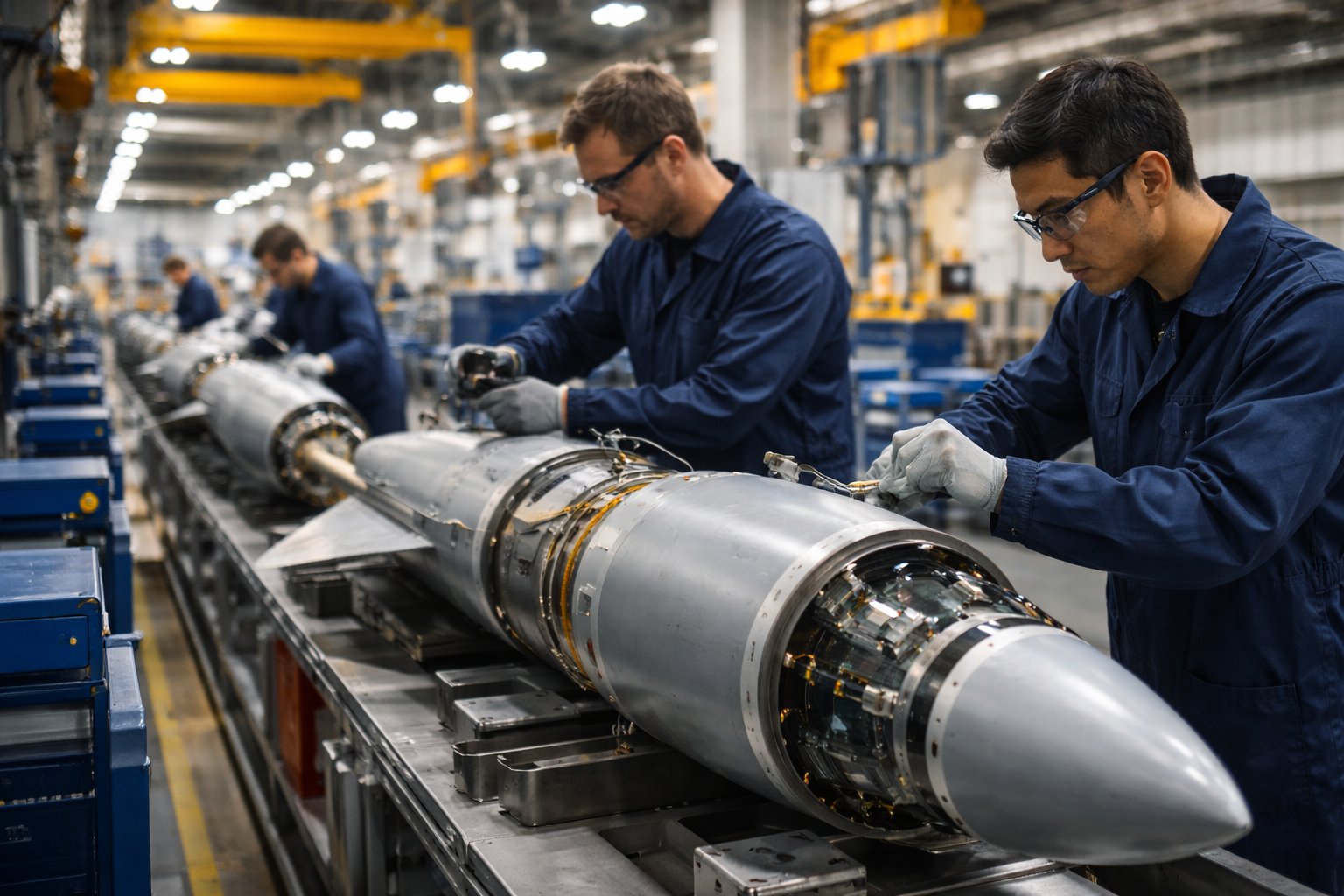
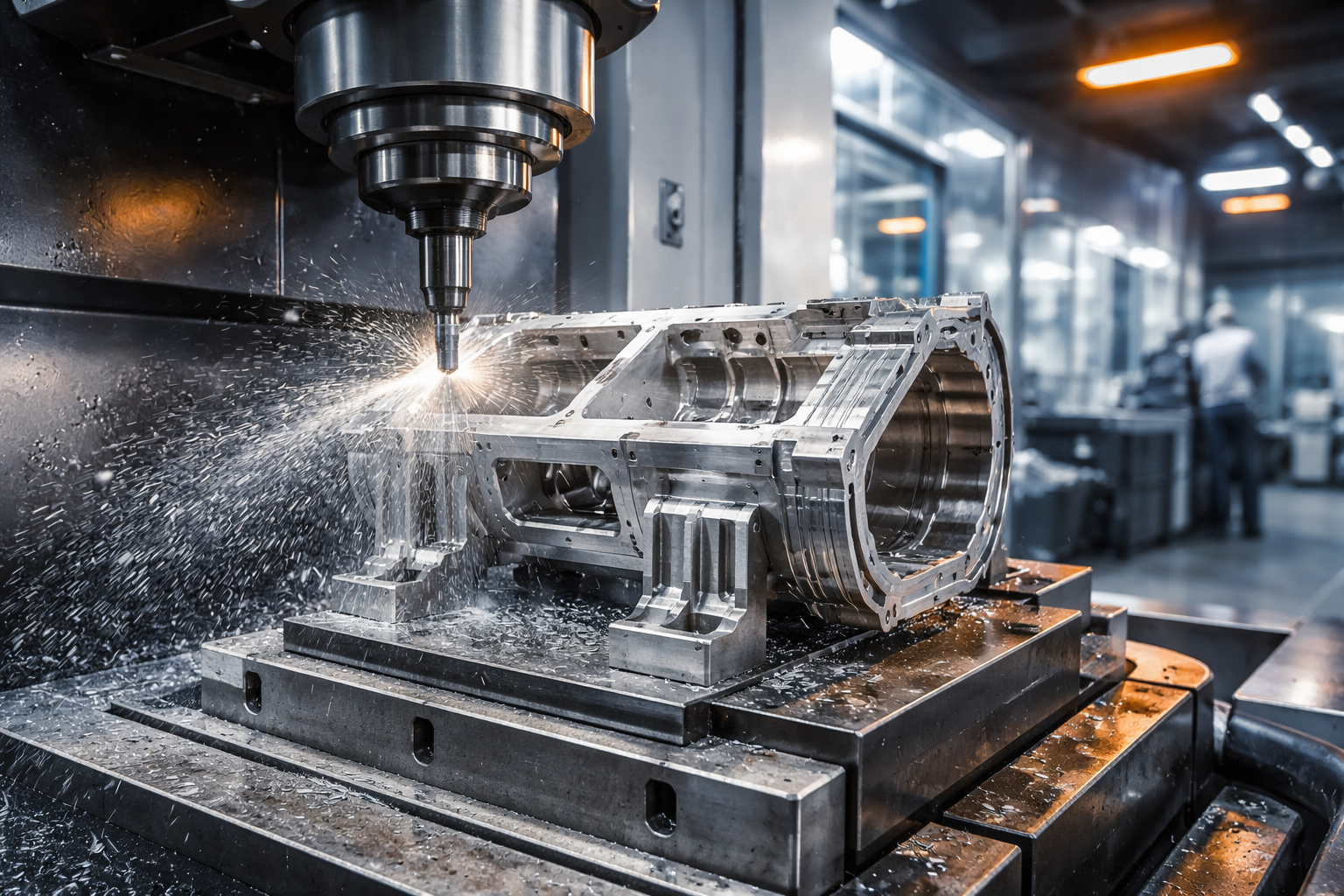
BAE has said that the demonstrator’s main structure, wings, and tail fins are being built using robotic and digital manufacturing and assembly technologies, with two-thirds of its structural weight in manufacture. Sixth-generation combat aircraft will not be affordable if they rely on slow, manual build methods at every stage. Digital work instructions, robotic assembly, advanced inspection, and data-rich configuration control will be essential if the UK wants to shorten development cycles and control production risk.
Propulsion integration adds another demanding workstream. Rolls-Royce has been working on engine-related technologies, including advanced manufacturing approaches to inlet ducting that must manage airflow from supersonic conditions to what the engine can accept. In combat aircraft, propulsion is never an isolated engine package. Inlets, ducts, exhausts, thermal management, electrical generation, materials, and maintainability all shape the airframe around them.
The demonstrator has also supported ejection-system trials with Martin-Baker, including sled testing at high speed. Escape systems may lack the public profile of sensors or weapons, but they are fundamental to aircraft qualification and pilot safety. They must work across the flight envelope, with the canopy, seat, cockpit geometry, human factors, and aircraft structure all interacting under extreme loads.
Software development is being tested as well, with automated coding approaches aimed at shortening safety-critical development cycles. Future combat aircraft will be defined as much by software as by aerodynamics. They will need secure mission-system architectures, rapid update routes, integration with uncrewed systems, sensor fusion, electronic warfare, and weapons control. The factories that build future aircraft will need to manage software configuration with the same seriousness as physical structure.
Britain’s wider GCAP funding push has already underlined the need for continuity across suppliers, facilities, tooling, and workforce planning. Funding matters because suppliers do not invest in secure facilities, test equipment, specialist manufacturing capacity, and skilled teams on aspiration alone. They need contracted work and visible milestones.
The UK has also seen how difficult it is to sustain advanced aircraft development without stable capital and government commitment, as shown by the collapse of Aeralis into administration. GCAP operates at a much larger scale, but the underlying industrial lesson remains sharp: aerospace capability depends on long-term confidence, not episodic interest.
The demonstrator will also test the supply chain’s ability to work inside modern digital engineering environments. Combat aircraft production involves hundreds of companies, many of which must meet demanding security, quality, and traceability requirements. Digital models create value only when suppliers can use them correctly, protect the data, and feed manufacturing evidence back into the programme. That is a workforce and culture problem as much as a software problem.
Britain wants GCAP to enter service in the mid-2030s, a timeline that leaves limited tolerance for technology drift. The demonstrator gives industry a way to collapse some learning into the current decade. It can expose manufacturing assumptions, highlight supplier weaknesses, and prove whether certain techniques are ready for a programme carrying national industrial and operational expectations.
Assembly sequencing, tolerance control, non-destructive inspection, wiring installation, inlet manufacture, cockpit integration, test instrumentation, and software verification will attract less attention than flight milestones. They are, however, the foundations of credible combat aircraft production. Britain has not led the early stages of a new combat aircraft of this kind for decades. The demonstrator gives the UK a chance to rebuild that muscle under real pressure, with the factory now under examination as closely as the aircraft.