IN Brief:
- PGZ is discussing support, repair, and maintenance work for Ukrainian F-16 and MiG-29 aircraft.
- The work could draw on Poland’s established military aviation MRO capacity, including WZL-2 experience.
- Wartime fighter sustainment requires spares, inspection capacity, trained technicians, secure facilities, and rapid turnaround discipline.
Poland’s PGZ is considering support, repair, and maintenance work for Ukrainian F-16 and MiG-29 fighters, a move that could deepen the country’s role as an aerospace sustainment hub on NATO’s eastern flank.
The discussions cover aircraft supplied to Ukraine by partner countries, including Western F-16s entering Ukrainian service and the Soviet-designed MiG-29s that remain familiar across several Central and Eastern European maintenance ecosystems. For PGZ, the potential work brings together military aviation, regional industrial cooperation, and the unforgiving requirements of wartime fleet readiness.
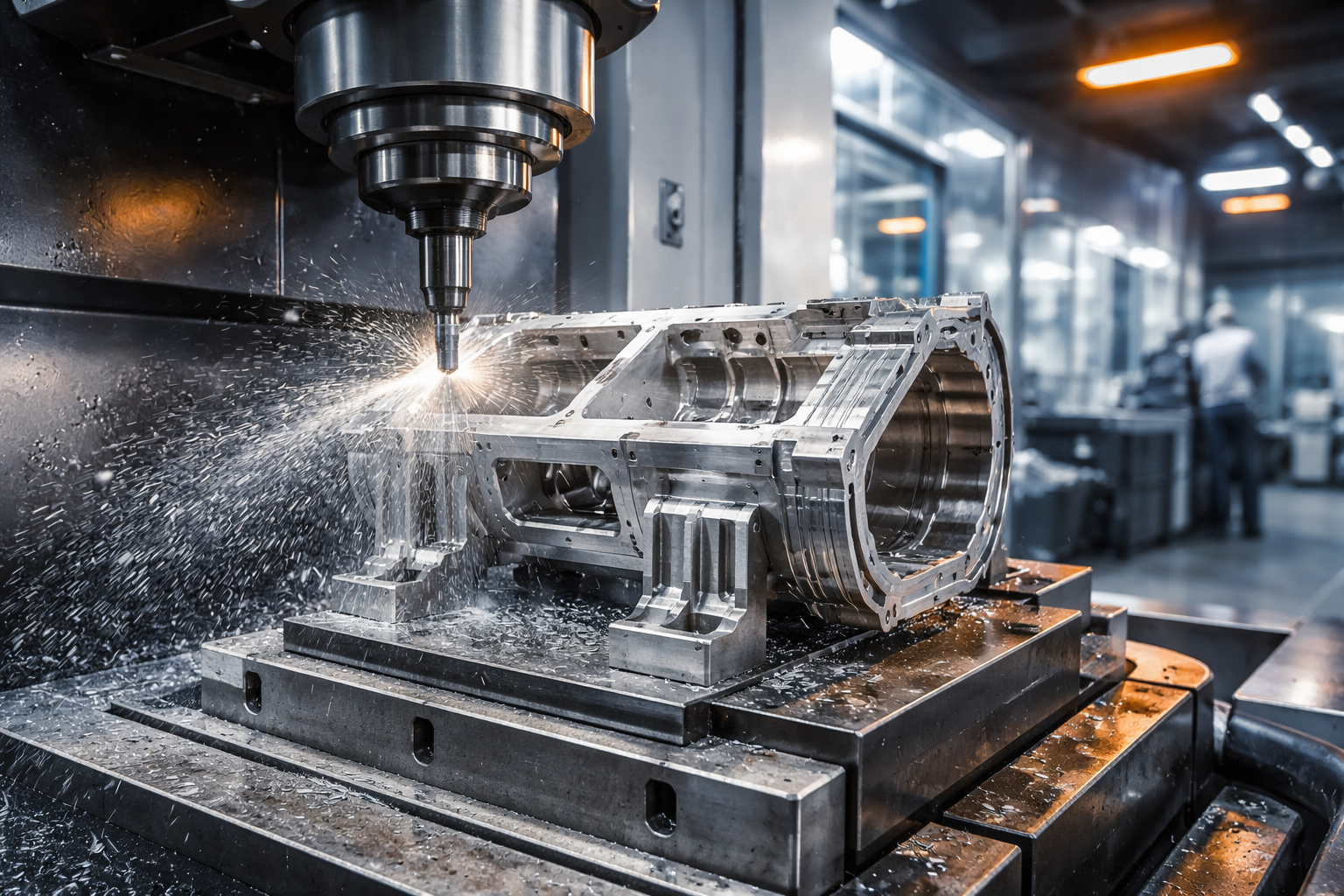
Fighter MRO is less visible than aircraft procurement, but it determines how much combat power a fleet can actually generate. Aircraft need structural inspections, component replacement, corrosion treatment, avionics checks, landing gear work, engine and accessory support, weapons-interface maintenance, and software-controlled configuration management. Under wartime conditions, flying hours rise, damage risk increases, and scheduled maintenance windows become harder to protect.
Poland already has relevant capacity through its military aviation industrial base. Wojskowe Zakłady Lotnicze Nr 2 in Bydgoszcz has long been associated with combat-air maintenance, repair, and modernisation work. That experience gives PGZ a foundation for supporting Soviet-era aircraft and potentially expanding into a wider sustainment role around Western fighters, though F-16 work brings a different mix of documentation, export-control, tooling, and supplier requirements.
The mixed-fleet challenge is central. Ukraine’s combat-air system cannot be sustained as a neat single-platform structure. It combines legacy aircraft, Western-supplied fighters, different weapons, different avionics standards, and a support chain distributed across allied countries. A maintenance model able to support both MiG-29s and F-16s would reduce some bottlenecks, but it would also require strict process separation, parts traceability, and security controls.
Poland’s broader air-power expansion has already placed sustainment close to procurement, including work around A330 MRTT tanker acquisition. A fighter MRO role for Ukraine would sharpen the same pattern. Poland is not only seeking platforms; it is building a position inside the maintenance, basing, and readiness architecture that supports modern air operations.
For MRO providers, the technical burden is considerable. F-16 maintenance depends on approved parts channels, access to technical data, specialist test equipment, software support, and personnel certification. MiG-29 support relies on a different legacy knowledge base and a parts environment complicated by sanctions, wartime attrition, and shrinking original supply sources. Supporting both families requires process discipline rather than ad hoc repair.
Spare parts will be one of the hardest constraints. Aircraft availability can fall quickly when a small number of components become scarce. In wartime, demand for hydraulics, actuators, avionics modules, tyres, brakes, structural parts, canopies, sensors, and engine accessories can rise unpredictably. A nearby support hub can help, but only if the parts pipeline and approval framework are already in place.
The security dimension also grows with proximity. Maintenance facilities supporting Ukrainian combat aircraft would need robust physical protection, cyber safeguards, controlled access to technical information, and secure communications with programme authorities. Depot-level support is an industrial activity, but in this context it also becomes part of the operational support network.
European aerospace is being pushed toward regional sustainment capacity because readiness can no longer be treated as a background function. An aircraft unavailable for maintenance is not a capability, however advanced it may be. Depot throughput, technician availability, spares, and repair-cycle speed now sit alongside aircraft acquisition in determining the balance of air power.
If PGZ proceeds, the work could strengthen Ukraine’s aircraft availability while giving Poland a larger role in the region’s combat-air industrial system. It would also test whether European MRO capacity can adapt quickly enough to support mixed fleets under conditions that leave little room for slow paperwork, narrow supply chains, or fragile approval routes.