IN Brief:
- The US Air Force is examining five capability areas for current and future T-7A aircraft.
- Requirements cover resilient navigation, collision avoidance, emergency support, flight controls, and cockpit improvements.
- Boeing and its suppliers must manage modernisation alongside low-rate production, testing, certification, and fleet introduction.
The US Air Force has begun examining a package of future T-7A Red Hawk upgrades as Boeing and Saab move the advanced trainer through low-rate production and operational introduction.
Five broad capability areas have been identified for industry engagement: anti-jam GPS and inertial navigation, automatic ground-collision avoidance, emergency landing support, flight-control improvements, and changes to the pilot–vehicle interface.
Development activity is expected to begin from fiscal 2029, although suppliers need earlier visibility to assess aircraft interfaces, plan equipment development, reserve engineering capacity, and establish how modifications could be introduced across delivered and in-production aircraft.
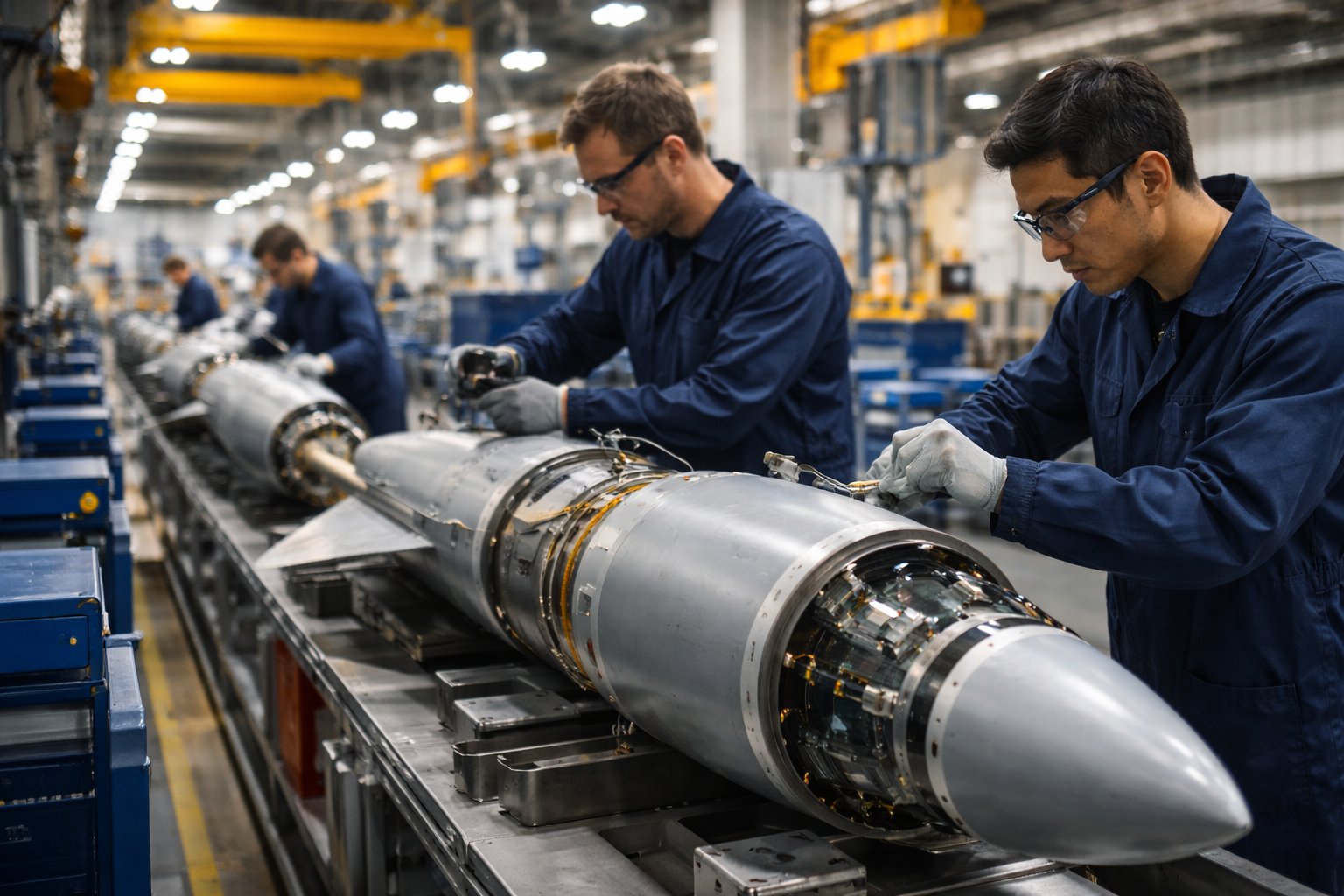
The programme only recently passed Milestone C, clearing the way for low-rate initial production. The planned fleet includes 351 aircraft, 46 simulators, and associated support equipment, creating a long production and sustainment cycle in which the aircraft’s configuration will continue to evolve.
Military aircraft rarely remain static while their factories mature. Threats, safety standards, training doctrine, and available technology change during testing and production, leaving manufacturers to add capability without fragmenting the fleet or repeating completed work.
Anti-jam navigation will require more than replacing a receiver. New equipment may affect antennas, wiring, power, cooling, software, cockpit displays, test procedures, and certification, while inertial performance must be sufficient to sustain training when satellite signals are degraded or deceptive.
Automatic ground-collision avoidance combines terrain data, aircraft state, flight path, control logic, and pilot input. Intervention must occur early enough to prevent an accident without producing unnecessary recoveries during demanding training manoeuvres.
Emergency landing support may use navigation, airport data, flight controls, and aircraft-health information to assist a pilot following a serious failure. Because T-7A is a trainer, the system must support instruction without obscuring the responsibilities of the student, instructor, and automation.
Changes to the pilot–vehicle interface can be equally extensive. Displays, menus, warnings, symbology, switches, simulator behaviour, courseware, manuals, and maintenance diagnostics all need to reflect the same aircraft configuration.
T-7A was developed around a digital engineering environment and open architecture intended to support modification. Those characteristics can reduce design and integration effort, but they do not remove airworthiness, safety, cybersecurity, electromagnetic compatibility, or human-factors testing.
Production planners will need a clear cut-in strategy. Improvements can enter the line at a defined aircraft number, be retrofitted across completed jets, or follow a combination of both approaches, each of which affects work instructions, tooling, supplier deliveries, acceptance schedules, and fleet availability.
A mixed fleet carries continuing cost. Maintainers need to know which hardware and software each aircraft carries, instructors must account for cockpit differences, and spares inventories may need to support several baselines.
Early retrofit reduces long-term variation but adds work to aircraft that have only recently been delivered. Delayed retrofit preserves near-term output yet allows configuration differences to spread across operational units.
Suppliers will face their own sequencing problems. Avionics, navigation equipment, processors, wiring, displays, actuators, and training systems have independent production schedules and may rely on components already in demand across other aerospace programmes.
Boeing’s St Louis operation is also carrying a growing portfolio of combat-air work. The industrial pressures surrounding the F-47 programme and its St Louis production base include classified engineering, advanced manufacturing, specialist software, and workforce capacity that overlap with skills required by T-7A.
Competition for experienced systems engineers, flight-control specialists, certification staff, and avionics integrators can become more restrictive than factory floor space. Recruiting additional personnel does not immediately reproduce programme knowledge or regulatory experience.
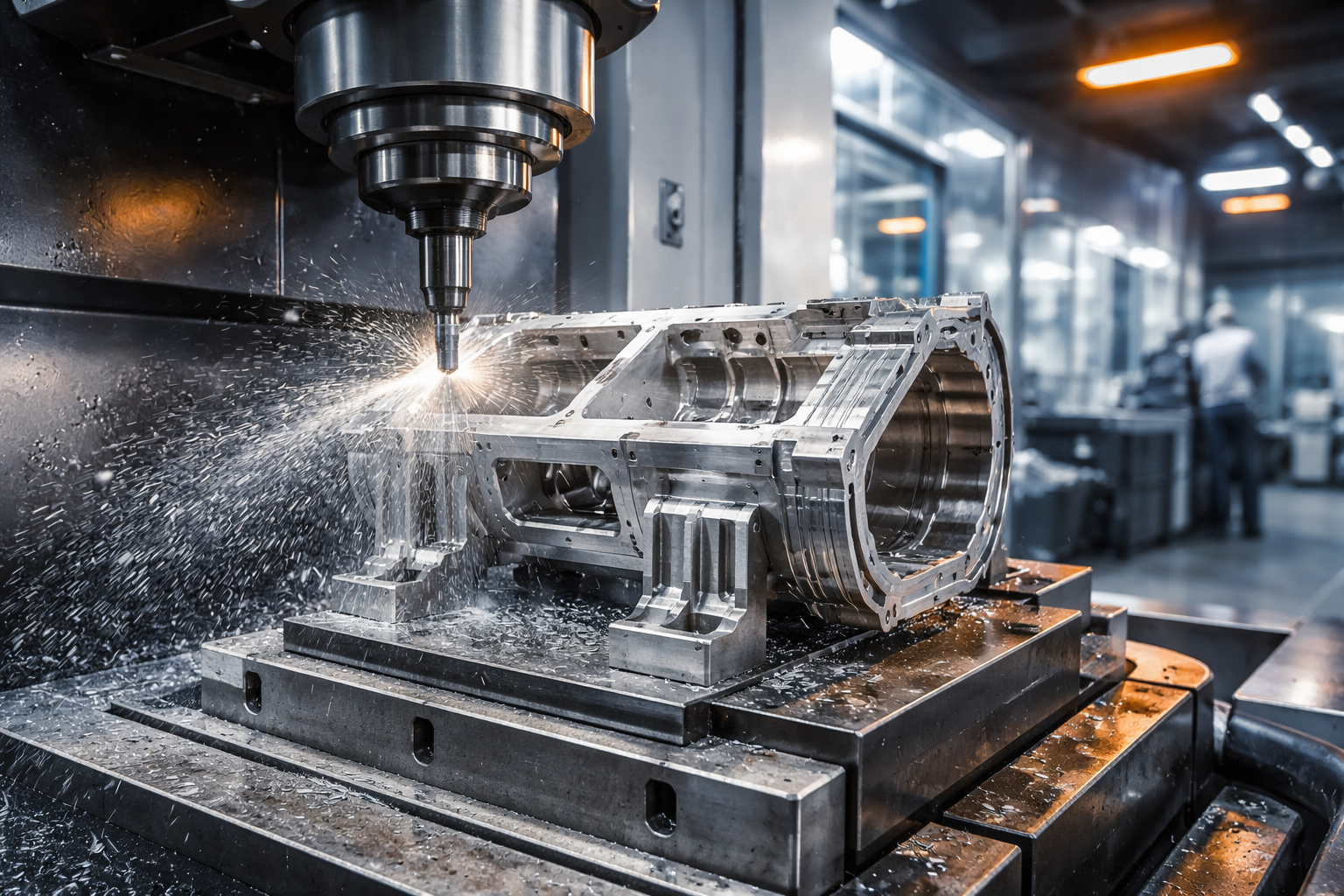
Saab’s structural contribution and the wider international supply chain add another coordination layer. Changes introduced by Boeing or the Air Force may alter interfaces, loads, or installation requirements in assemblies produced elsewhere, requiring controlled digital data and synchronised implementation.
The ground-based training system must evolve with the aircraft. Navigation behaviour, warnings, automated recoveries, and cockpit changes need to appear accurately in simulators, while software releases across aircraft and training devices should remain aligned.
A mismatch would allow pilots to rehearse procedures that do not reflect the fleet. Training devices also require their own testing and acceptance, so aircraft changes cannot be treated as isolated hardware modifications.
Modernisation may strengthen export prospects by demonstrating that Red Hawk can adapt to contested navigation, networked training, advanced automation, and future combat-air requirements. Export configurations, however, could introduce national radios, navigation equipment, training functions, or weapon simulations that increase variant pressure.
Maintaining a controlled common core will determine whether those sales add sustainable volume or create separate aircraft families. Platform-specific additions should remain outside stable interfaces wherever possible, with common software and support tools retained across customers.
The Air Force’s early market engagement allows production and upgrade planning to develop together rather than after requirements become urgent. It also provides a practical test of the digital-development methods used to bring the aircraft from concept into production.
Digital models can reveal clashes, analyse loads, prepare work instructions, and support certification evidence, but the value only materialises when configuration data remains accurate across design, suppliers, manufacturing, flight test, and the operational fleet.
T-7A’s next phase will therefore be governed by change control as much as assembly rate. Boeing and the Air Force need a production system that absorbs new equipment without allowing repeated redesign, retrofit queues, and diverging software baselines to slow the aircraft’s entry into training service.