IN Brief:
- Aladdin completed an air launch from a Royal Australian Air Force C-130J during Exercise Jericho Dawn.
- The compact uncrewed aircraft can deliver up to 35kg of communications equipment, supplies, or critical components.
- Fleet adoption will depend on repeatable manufacture, deployment reliability, resilient navigation, and manageable storage requirements.
The Royal Australian Air Force has launched an Aladdin cargo drone from a C-130J Hercules, moving the compact uncrewed aircraft beyond laboratory development and into a military operating environment during Exercise Jericho Dawn.
Released from the transport’s rear ramp over the Cultana training area in South Australia, Aladdin stabilised after entering the airflow and completed its delivery sequence. The system can carry up to 35kg of communications equipment, relief supplies, replacement parts, or other urgently required payloads to locations on land or at sea.
Although its payload is modest beside conventional airlift, the aircraft addresses a class of logistics requirement that regularly consumes disproportionate resources. Batteries, radio modules, medical equipment, electronic assemblies, sensors, and specialist tools may be light enough for one person to carry, yet their absence can leave a vehicle, radar, command post, or weapon system unavailable.
A C-130J carrying several delivery drones could release packages for separate destinations without landing at a vulnerable airstrip or assigning a helicopter to each movement. The transport would still require protection and carefully planned routing, but the final stage of the journey could be distributed among comparatively inexpensive autonomous aircraft.
Such missions favour a design that is compact enough for efficient carriage, simple enough for rapid preparation, and accurate enough to reach dispersed units without extensive ground infrastructure. Aladdin’s wheelie-bin scale also allows stores to be handled inside existing transport aircraft without the specialised loading equipment required by larger tactical UAVs.
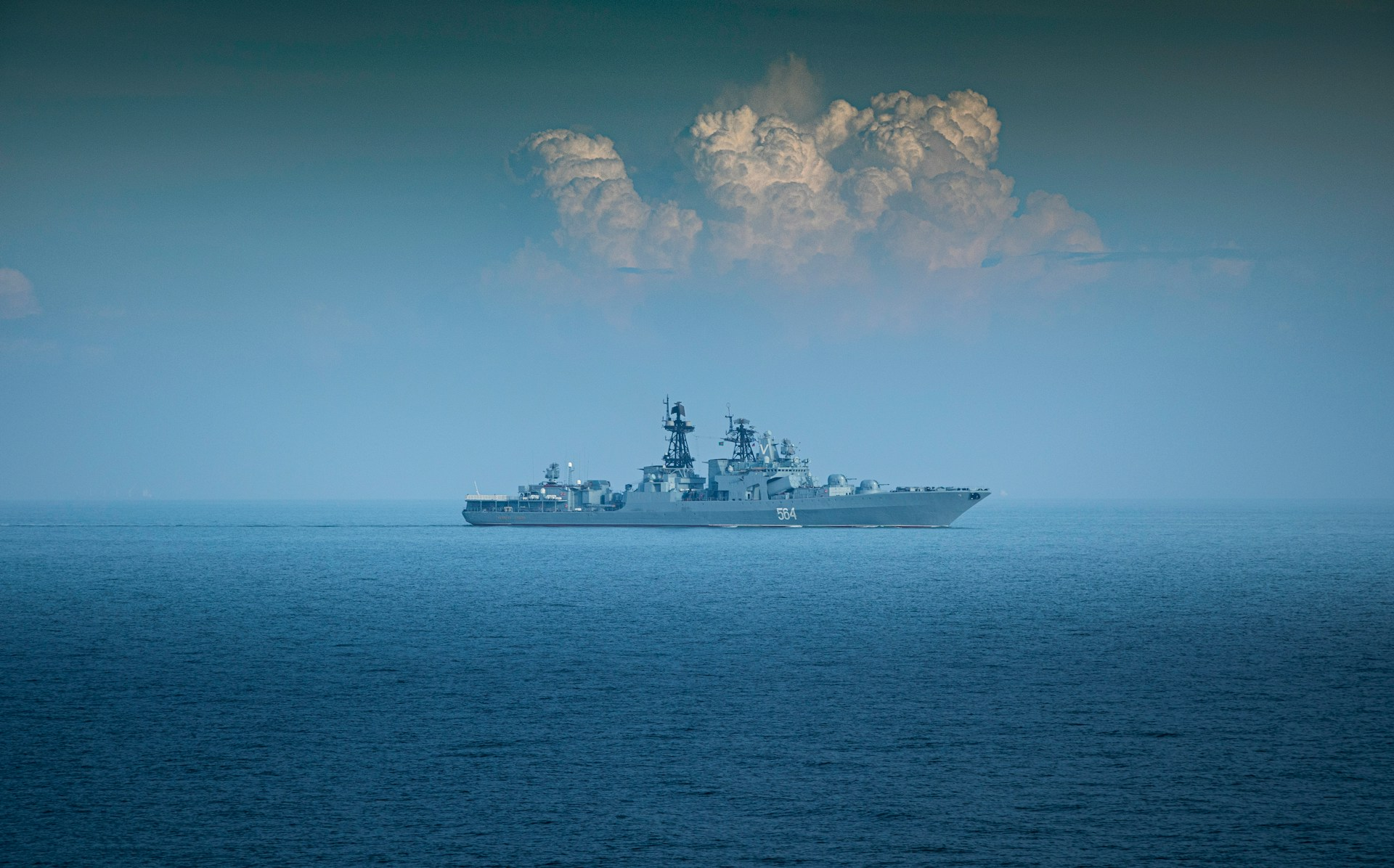
Shipboard resupply introduces a more difficult target. A moving deck presents a small landing area whose position, heading, and motion change continuously, while wind, salt spray, ship structures, and electromagnetic interference complicate terminal guidance. Loads intended for vessels also need packaging that protects sensitive equipment from impact and seawater.
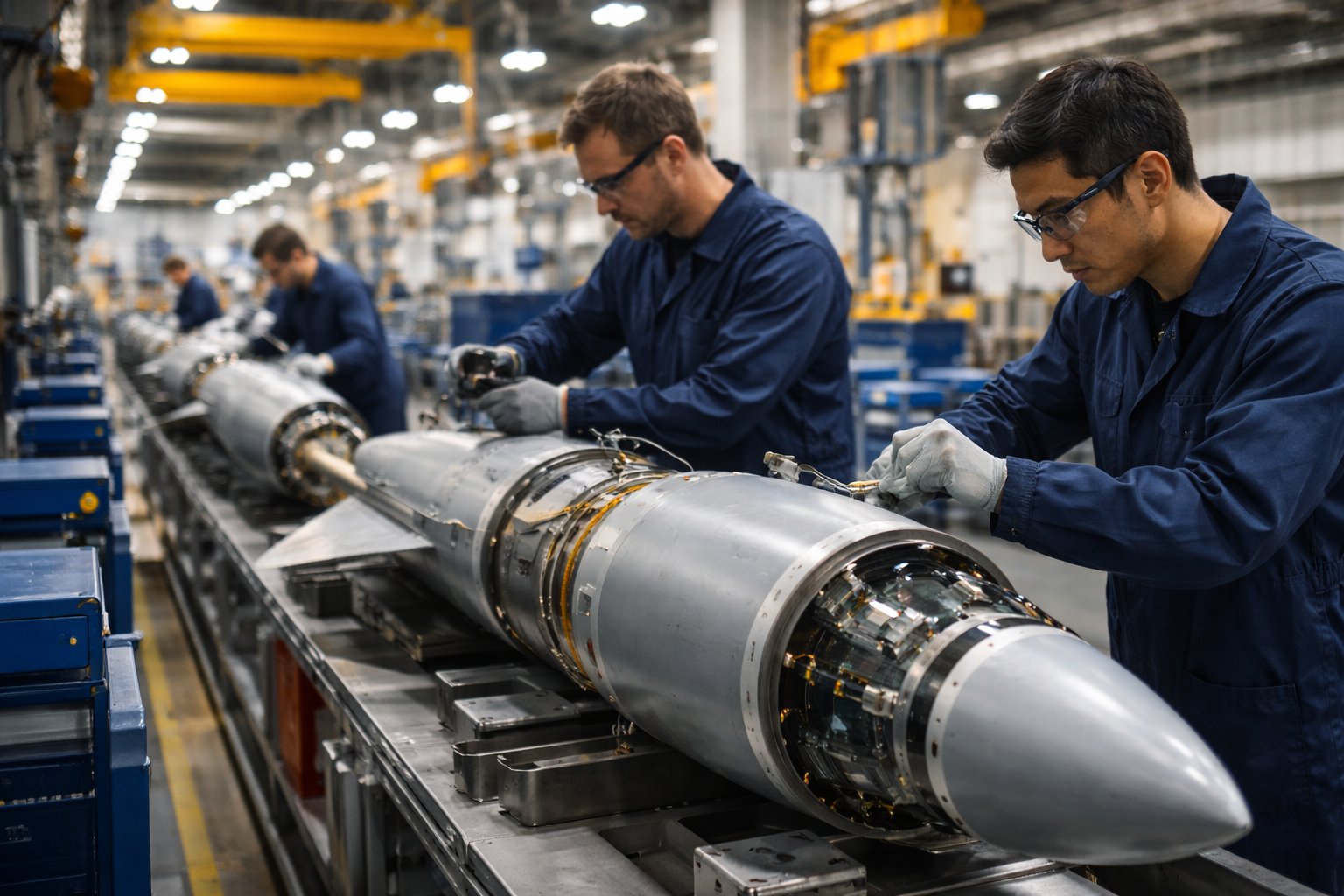
Those operational demands lead directly into production engineering. An air-dropped aircraft must survive storage, repeated handling, restraint inside the transport, release into turbulent airflow, and rapid transition into controlled flight. Hinges, control surfaces, deployment devices, actuators, batteries, and payload restraints therefore carry much of the system’s reliability burden.
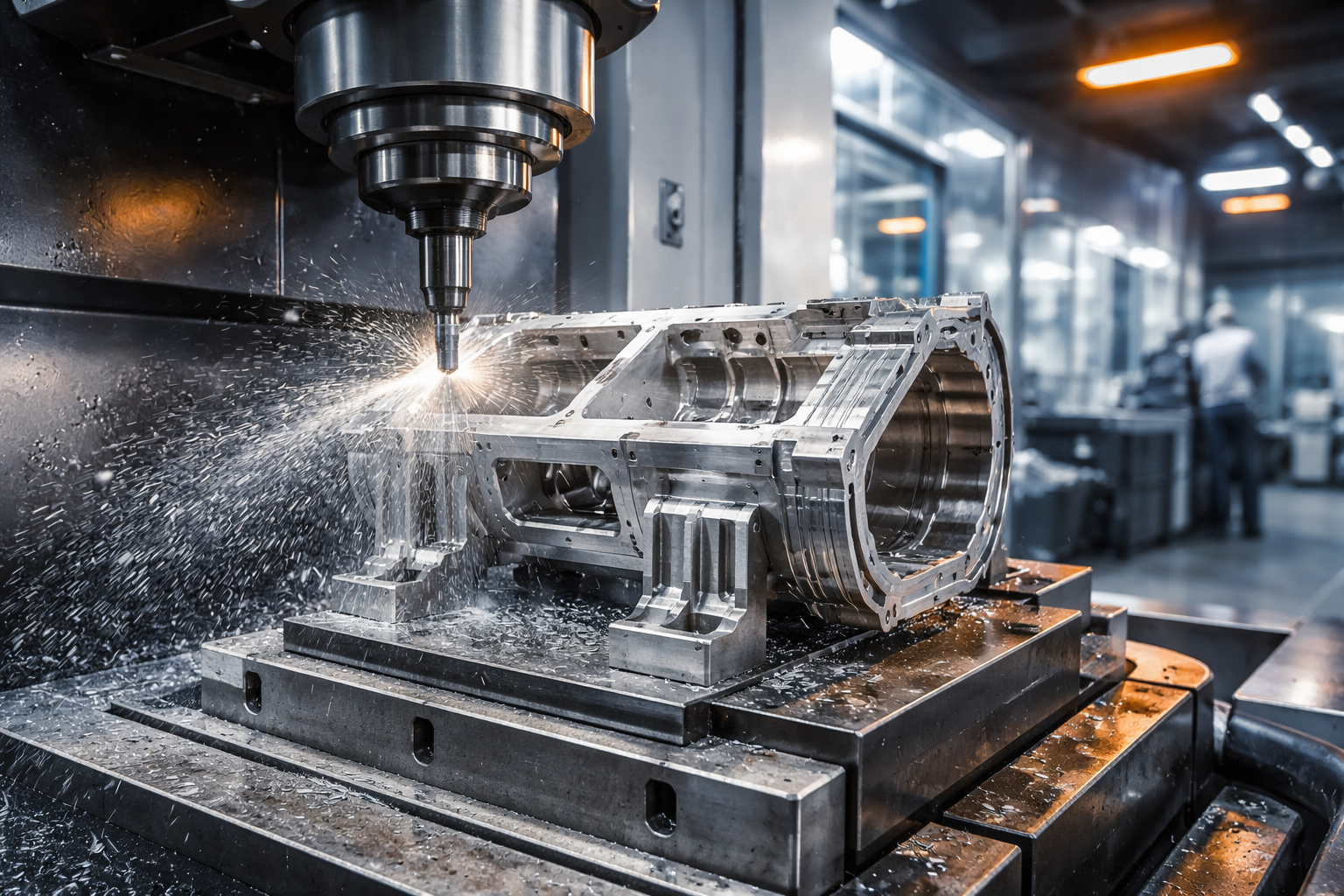
Structural weight will have to remain low without leaving the airframe vulnerable to damage during loading or landing. Lightweight mouldings, composites, or fabricated structures can support low-cost production, although material selection must account for heat, ultraviolet exposure, moisture, vibration, and long periods spent inside transport packaging.
Navigation equipment poses another cost dilemma. Satellite navigation, inertial sensors, terrain data, optical systems, and secure communications can improve accuracy and resilience, but they also increase unit price and supply-chain exposure. The final configuration needs enough redundancy to complete its mission without acquiring the avionics cost of a recoverable tactical aircraft.
Storage performance may prove as important as flight performance. A delivery drone could spend months or years packaged before an operational requirement arises, leaving batteries, seals, software, and deployment mechanisms vulnerable to ageing. Defence users will expect systems to remain ready without a burdensome inspection cycle or extensive preparation immediately before launch.
Batch production will consequently require strict control of shelf-life records, battery condition, software configuration, and packaging integrity. Manufacturers will also need acceptance tests that reveal latent deployment faults without consuming the aircraft or requiring a full flight from every completed unit.
Payload interfaces should remain stable as users add new applications. Medical supplies, communications equipment, electronic spares, and maritime loads all place different demands on balance, environmental sealing, shock protection, and release or landing behaviour. A common payload bay with defined mechanical and electrical interfaces can prevent each mission from creating another airframe variant.
Australia has already begun building a layered autonomous logistics structure through its acquisition of the P4 Transwing naval logistics UAS. Transwing offers recoverable vertical take-off and fixed-wing flight for maritime operations, whereas Aladdin uses an existing transport aircraft to carry the system closer to its destination before release.
The two approaches serve different load classes and mission patterns, yet both reduce the need to divert helicopters, crewed aircraft, or ships from higher-priority tasks. Neither replaces conventional logistics, because fuel, personnel, ammunition, and heavy equipment still require established transport capacity. Their contribution lies in delivering urgent, relatively light stores across the final and often most exposed section of the route.
Industrial scale will determine how broadly that contribution can be used. A fleet of a few hand-built aircraft may support trials and specialist missions, but routine dispersed logistics requires enough vehicles to absorb training losses, storage failures, operational expenditure, and simultaneous demand across several units.
Low unit cost cannot be measured solely at the factory gate. Packaging, loading fixtures, mission-planning tools, operator training, software support, spare parts, and disposal all contribute to the system’s through-life burden. A seemingly cheap airframe can become expensive when each sortie requires specialist preparation or a large support team.
Further trials will need to expand the release envelope, cover different aircraft speeds and altitudes, and demonstrate performance under wind, rain, degraded navigation, and varying payload conditions. Maritime work will add moving-deck recovery and the effects of saltwater exposure, while repeated deployments will reveal whether the mechanisms remain reliable after storage and handling.
Jericho Dawn has established that Aladdin can leave a C-130J, stabilise, and deliver a payload in a military exercise. Converting that result into a deployable product now rests on production repeatability, storage assurance, controlled configuration, and a supply chain capable of replacing aircraft at the rate commanders may eventually use them.