IN Brief:
- MUST 2026 integrated UAVs, USVs, and UUVs around the crewed command vessel DSS Galatea.
- The systems were controlled through the Dutch Navy’s IDUS command architecture.
- Two specially designed, 12-metre, 3D-printed USVs were built with MARIN in three months.
The Royal Netherlands Navy has operated air, surface, and underwater uncrewed systems as an integrated force during Maritime Uncrewed Sea Trials 2026, extending its work beyond individual drone demonstrations towards a shared operational architecture.
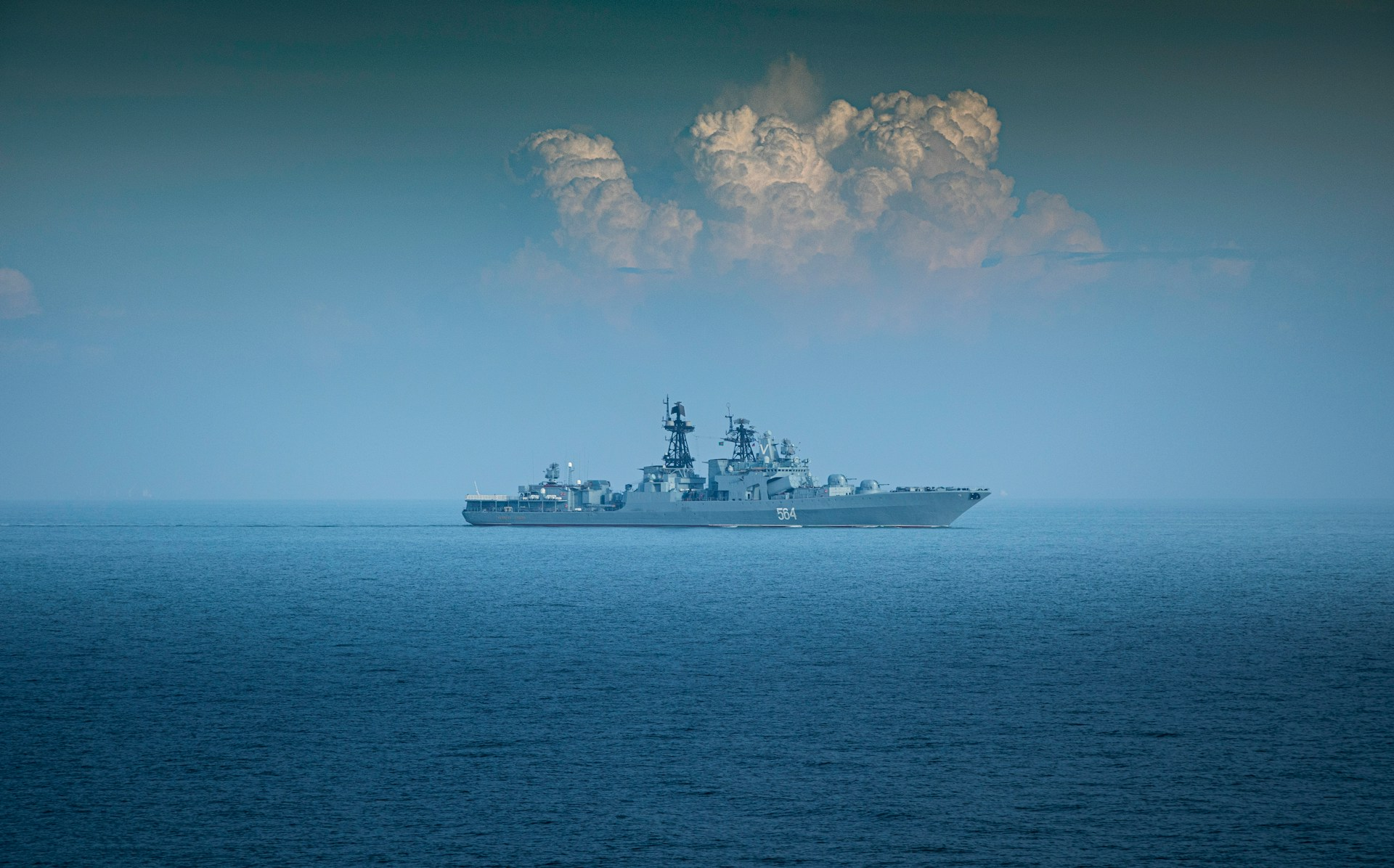
Centred on the crewed patrol vessel DSS Galatea, the North Sea exercise combined uncrewed aircraft, surface vessels, and underwater vehicles through the Intelligent Distributed Uncrewed Systems command environment, known as IDUS.
Trials included automated formation sailing by surface vessels around Galatea and a coordinated search in which assets from all three domains worked together to locate and follow a target. Participating equipment included UAVs from the Maritime Drone Team, a V-Bat operated by the Defence Helicopter Command, and an underwater vehicle supplied by Lobster Robotics.
Two 12-metre uncrewed surface vessels were designed and built with the Maritime Research Institute Netherlands in three months. Large-scale additive manufacturing formed part of their rapid construction, placing hull production alongside autonomy, command software, and multidomain integration within the same exercise.
A three-month build cycle is unusually short for a vessel of that size, although experimental craft do not carry the full qualification, survivability, safety, and support burden of an operational naval platform. Their value lies in allowing hull forms, payload arrangements, sensors, and control concepts to be tested while requirements remain fluid.
Conventional shipbuilding programmes tend to freeze major decisions early because tooling, fabrication, class approval, and late design changes become increasingly expensive. Experimental USVs can follow a more iterative model, with physical assets modified or replaced as software and operating concepts develop.
Rapid manufacture meets naval qualification
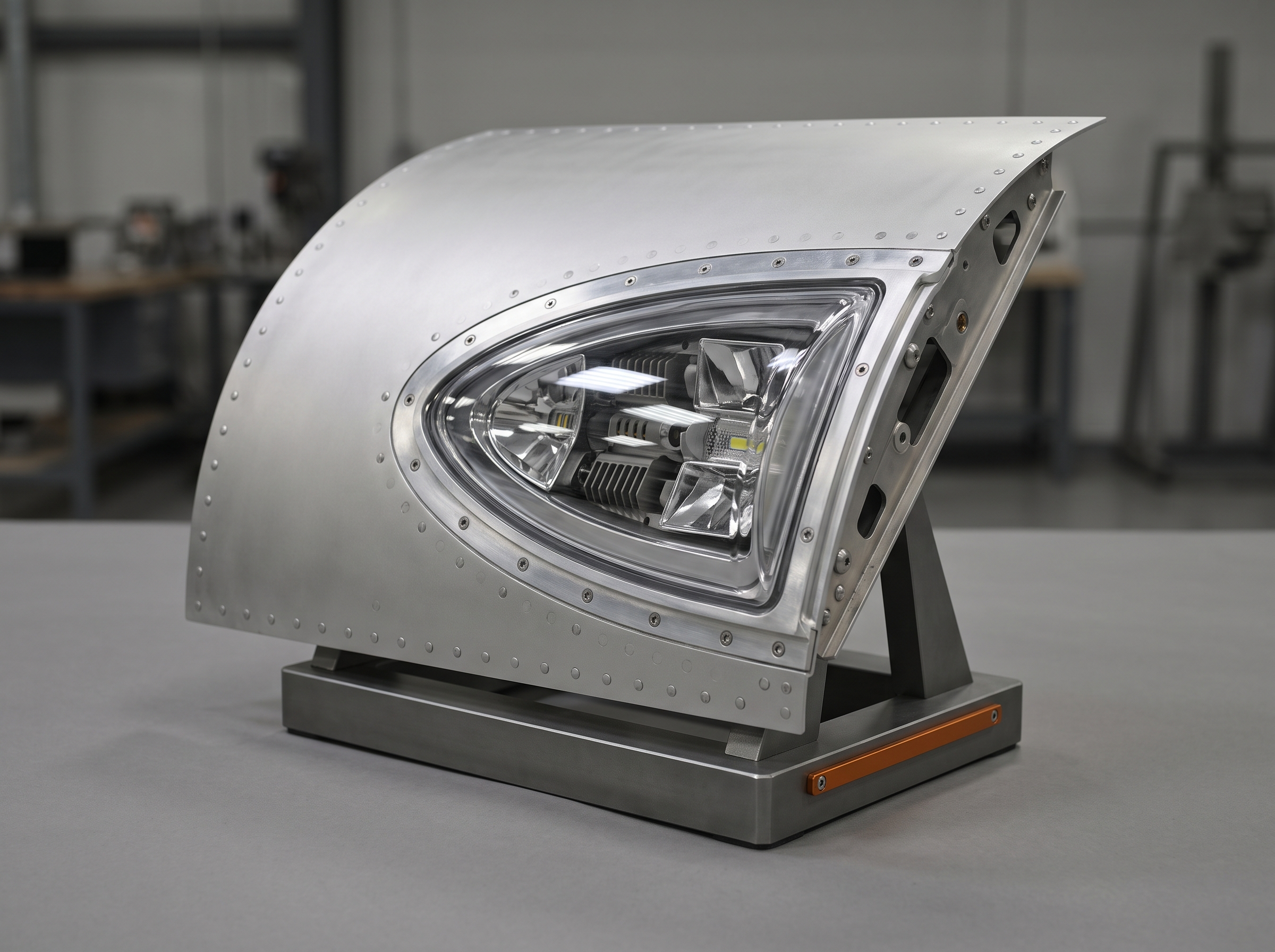
Large-format additive manufacturing can reduce the need for traditional moulds, extensive plate fabrication, or assemblies made from numerous individual parts. Internal structures, cable routes, mounting features, and hydrodynamic forms may be incorporated directly into printed sections, shortening some stages of construction.
The method introduces unfamiliar assurance demands. Material consistency, porosity, layer adhesion, dimensional accuracy, fatigue behaviour, water absorption, fire performance, ultraviolet exposure, and repair procedures all require evidence before printed structures can enter routine naval service.
Inspection standards will have to develop alongside the manufacturing process. Conventional welds and composite laminates benefit from established non-destructive testing and repair methods, whereas large printed structures need reliable techniques for locating internal defects and judging their effect on service life.
Outfitting can also become the limiting factor after the hull is complete. Propulsion, steering, power distribution, communications, navigation, sensors, computers, payload mounts, and safety equipment must still be sourced, installed, and tested. Rapid hull manufacture cannot shorten every specialist component’s lead time.
IDUS addresses a different bottleneck by coordinating platforms with unlike endurance, speed, communications, sensor coverage, and navigation constraints. An underwater vehicle may lose high-bandwidth contact, while a surface craft must comply with collision rules and an aircraft operates within limited endurance and airspace boundaries.
A common command layer has to translate operator intent into tasks each platform can execute, while presenting a coherent picture of their position, status, and sensor data. Failure handling becomes equally important when one platform loses communications or cannot complete its assigned task.
Cybersecurity and configuration control will grow in significance as the network expands. Every added vehicle introduces software, datalinks, processors, and supplier dependencies. Authentication, secure updates, interface management, and containment of compromised systems must be established before experimental combinations become operational fleets.
MUST is intended to become a recurring exercise, allowing software, hardware, tactics, and maintenance methods to develop through repeated trials. Annual experimentation should also expose whether rapid-build craft can remain reliable after extended operation rather than performing only during a tightly supported demonstration.
NATO navies are seeking ways to widen surveillance, mine warfare, anti-submarine, protection, and logistics coverage without assigning a crewed warship to every task. Britain’s investment in naval infrastructure and readiness will confront similar questions around how uncrewed vessels are maintained, networked, stored, launched, and integrated within existing dockyards.
The Dutch approach combines rapid physical production with an adaptable control environment and a crewed command platform. Moving beyond trials will require structures that can be inspected and repaired, propulsion systems that can be sustained, secure software, and interfaces stable enough for equipment from several manufacturers.
Additive manufacturing has shortened the route from design to water for two experimental craft. Naval adoption will depend on whether the same method can produce hulls with consistent material properties, predictable service lives, and support requirements suited to routine fleet operations.